Lockouts · London
Home Lockout Service
You stepped out to grab the recycling bin and the door swung shut behind you.
In plain words
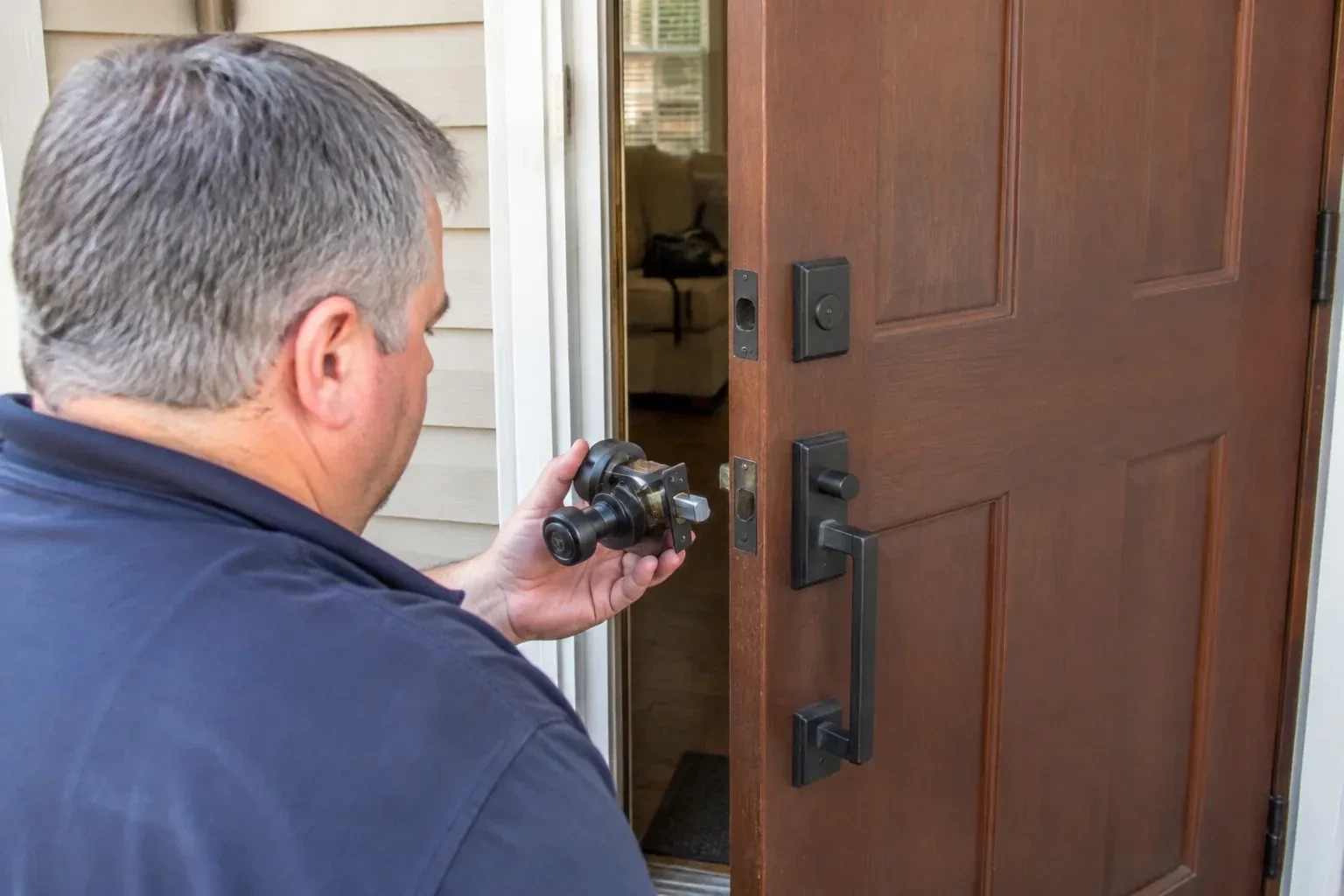
Being locked out is uncomfortable, but it is also the moment most households finally sort out their keys. Once the door is open, the same visit can rekey the locks so a lost key stops mattering, cut properly coded spares to replace worn copies, key the front and back doors alike so one key runs the house, or set up a small lockbox for a trusted neighbour. None of that is required to get you inside; the opening stands on its own. It is simply that the locksmith is already at the door with the tools, which makes it a convenient time to decide.
How the visit goesSomeone pushed the privacy button on the bathroom door and pulled it shut behind them, leaving the room locked and empty. The little emergency slot on the outside is stripped, and the tiny release key that came with the handle disappeared years ago.
Home Lockout Service
How the visit goes
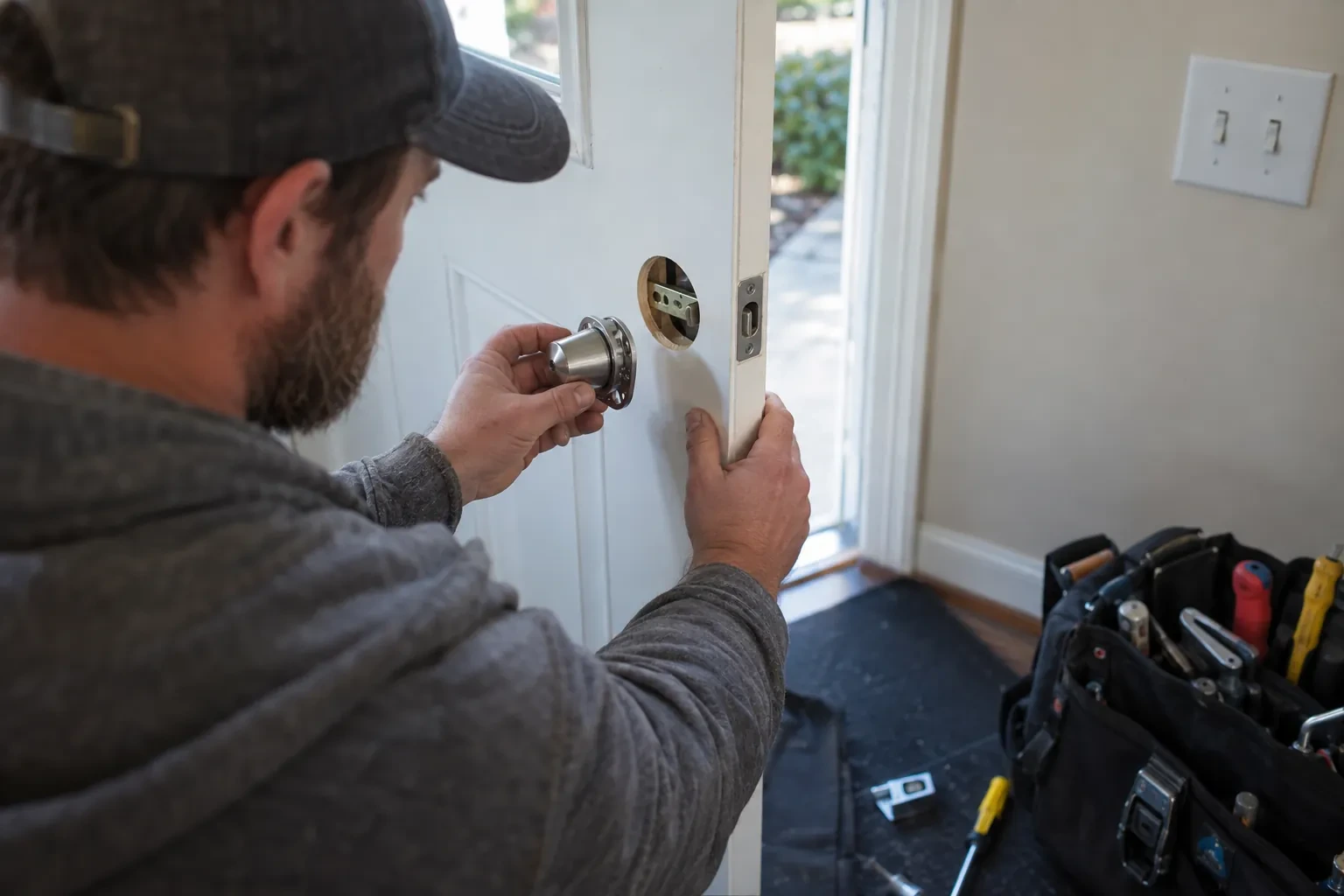
Other ways in, and other locks on the same key
Before working on the front door, the locksmith asks about the rest of the house. A back door, a side entrance from the garage or a walkout basement may be on the same key or on a different one, and occasionally a family member with a spare is closer than anyone realized. Knowing whether the front and back locks are keyed alike also matters later: if one cylinder is rekeyed after a lost key, the others should follow so the household stays on a single key. A short tour of the openings takes a minute and often changes which door gets worked on and how.
Least invasive first, always
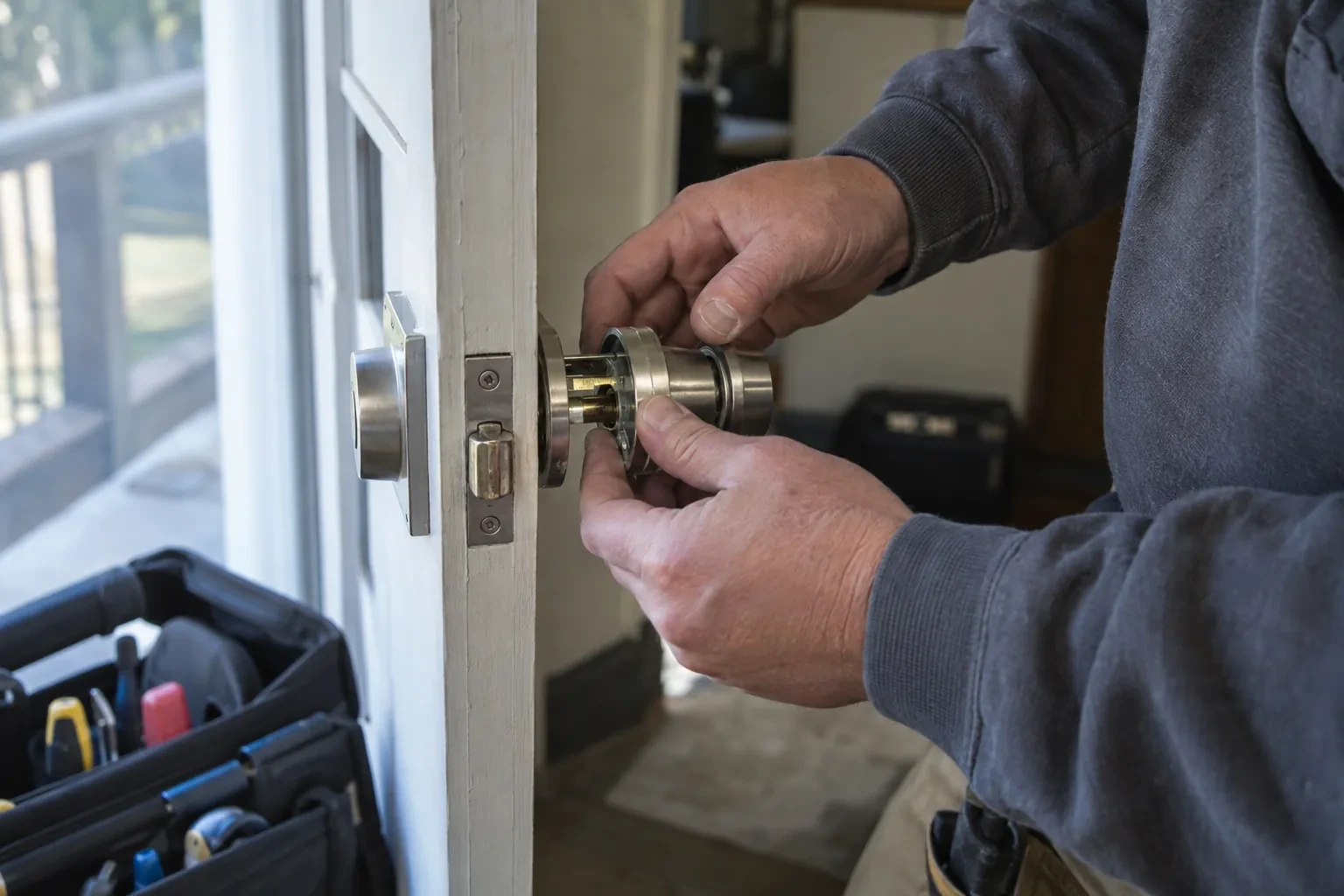
The opening follows a ladder. At the bottom rung are methods that operate the lock exactly as a key would: single-pin picking, raking or decoding the cylinder so the plug turns and the bolt withdraws. Next come bypasses that work around the cylinder, slipping a spring latch or reaching the inside thumb-turn with a purpose-made tool. Only when the hardware defeats all of those does drilling come into the conversation, and it is a conversation, not a surprise. Working up this ladder means the lock is intact in the great majority of cases and you close the door behind the locksmith with the same hardware you had that morning.
Looking after the cylinder afterwards
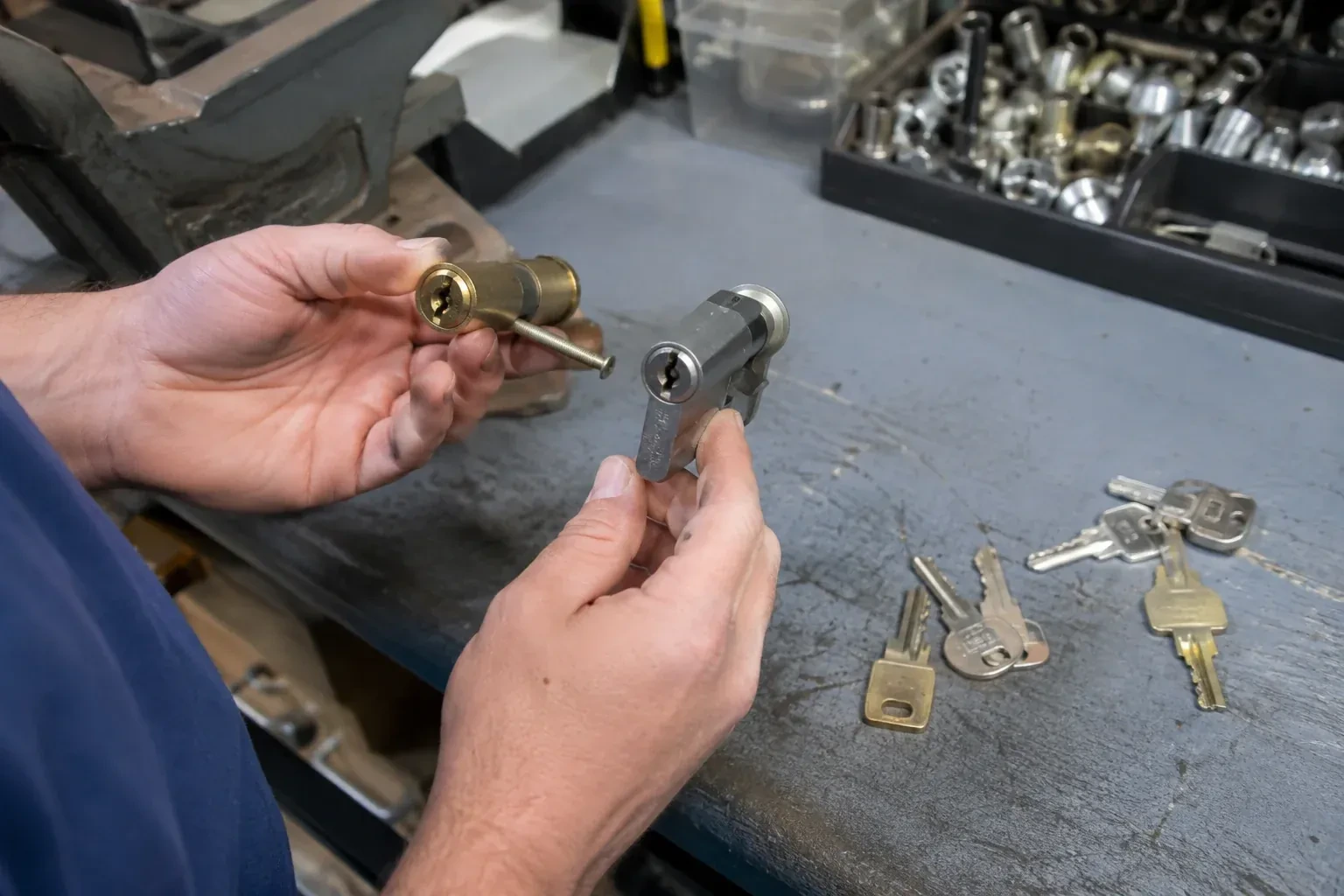
A lock that has just been opened deserves a little care so it keeps turning sweetly. Twice a year, follow your lock's own maintenance guidance: many residential cylinders take a puff of dry graphite or PTFE lubricant into the keyway, some a specified liquid product instead; general-purpose oil sprays attract dust and gum the pins. Wipe grit off your keys before using them, and retire a key that has worn thin or bent, cutting a new one from the code or from a crisp original rather than from a tired copy. If the key starts to need a wiggle to turn, that is the cylinder asking for attention early, while it is still an easy fix rather than a lockout.
Home Lockout Service
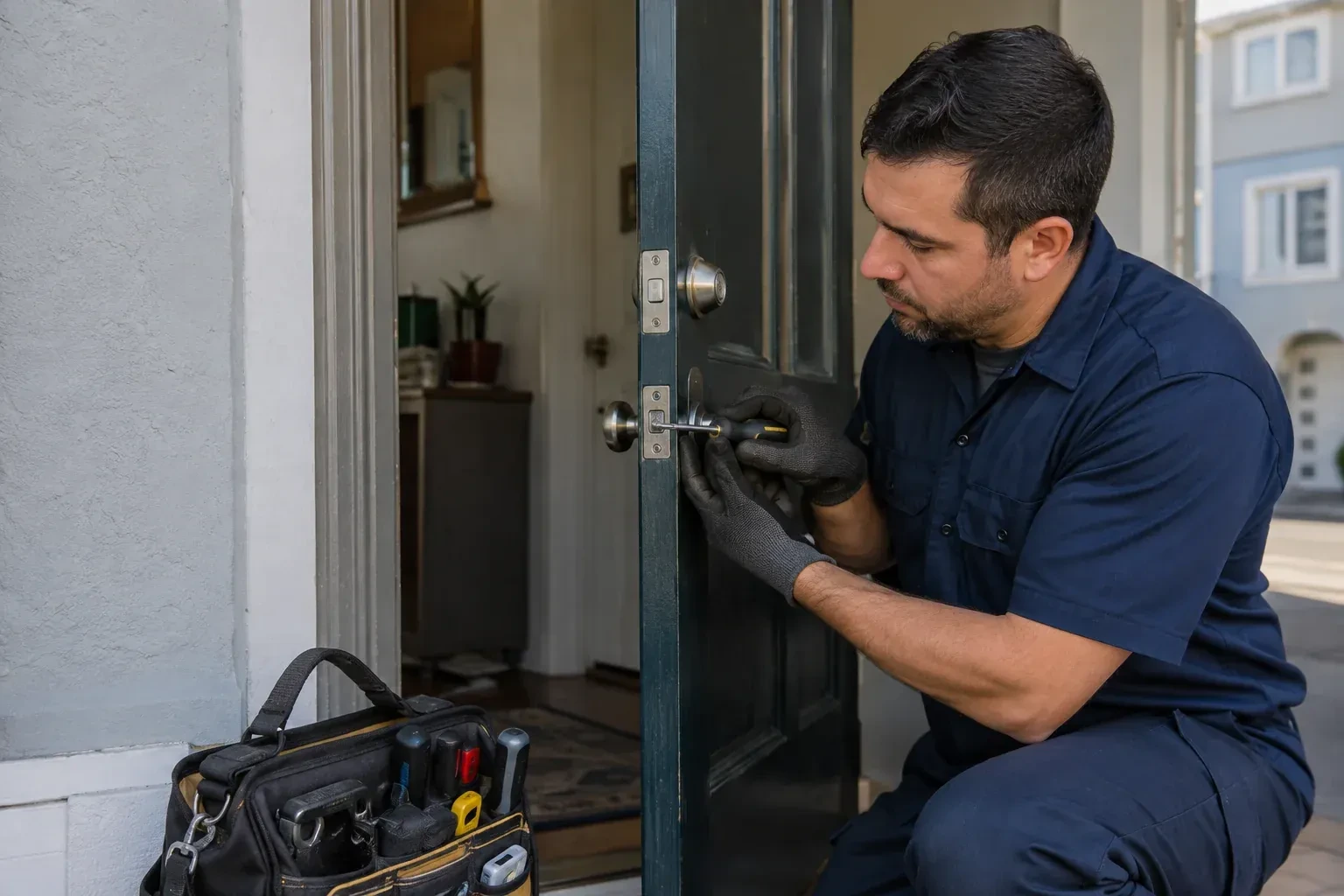
In the van
Nine-volt battery for smart locks
Pick and tension tools
Dry graphite or PTFE lubricant
Plug follower and repinning kit
Key blanks and key cutter
Home Lockout Service
What affects the quote
Interior door or exterior door
A bathroom privacy lock or a bedroom door is generally a lighter job than an exterior deadbolt, and an old keyed interior mortise lock sits somewhere between. The quote follows the hardware, not the room.
Type and grade of the lock
A builder-grade knob latch, a residential deadbolt, a mortise case in an older home and a high-security cylinder each take different tools and different amounts of time to open, and that difference shows in the quote.
Electronic lock work
A dead smart lock may need batteries, a reset, reprogramming of codes or pairing to your phone once the door is open. Each of those is a small task that the quote names separately.
What to have ready
- Has anyone already tried to open the door with a card or tool?
- If the key is lost, would you like the locks rekeyed during the same visit?
- Does the same key open other doors on the property?
Home Lockout Service: questions
QuestionsDo I have to show identification before you open my door?
Yes, and it is a reassuring step rather than a hurdle. Photo identification that matches the address settles it in seconds. When your identification still carries a previous address, other proof does the job: a tenancy agreement, a recent bill, a piece of addressed mail, or a word with your building manager. Locksmiths take this seriously because it protects every home they are asked to open, including yours.
I am a landlord. Can you open a unit my tenant is living in?
A locksmith will want to understand the situation first, because a tenant's right to their home is protected and a lockout of a tenant is something only a sheriff enforcing a Landlord and Tenant Board order may carry out. Legitimate reasons do come up: a tenant has asked you to let them in, a vacated unit needs securing, or an emergency requires access. Bring ownership records and be ready to explain the circumstances, and the locksmith will help you handle it properly.
My key turns but the door stays locked. What is going on?
A key that spins freely without moving the bolt usually means the connection between the cylinder and the bolt has failed: the tailpiece or cam at the back of the cylinder has broken or slipped, or the internal parts of an older mortise lock have worn. The good news is that this is a hardware fault rather than a lost key, so once the door is opened the fix is a repaired or replaced cylinder and your keys keep working.