Locksmith in Byron, OntarioStraight talkabout what's on your door
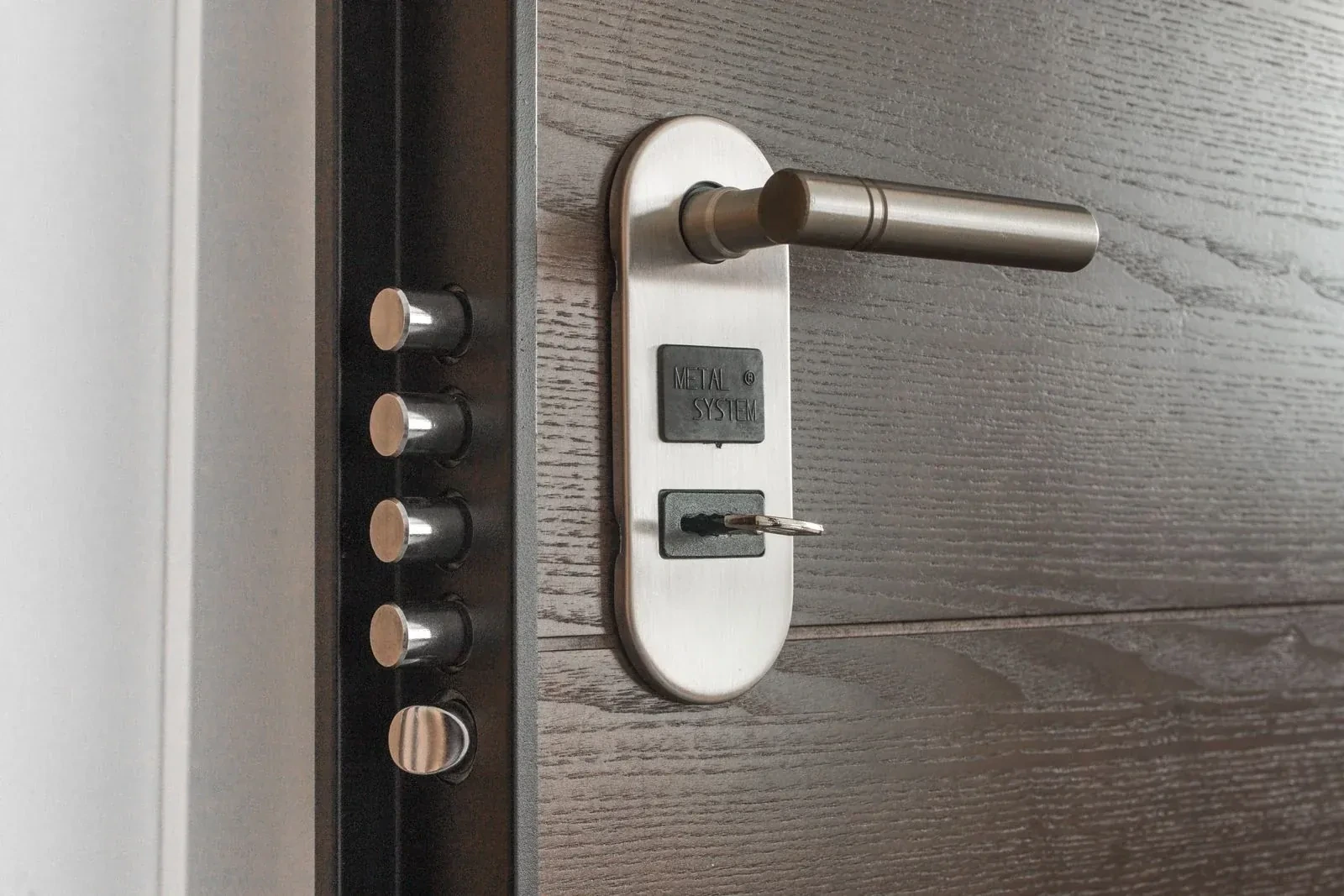
You should know what protects your home and why it matters. For households in Byron we grade the hardware already fitted, point out the weak link, whether that is a short strike screw or a cylinder that picks easily, and suggest only the changes that make a real difference. This page also covers Kilworth.
You should know what protects your home and why it matters. For households in Byron we grade the hardware already fitted, point out the weak link, whether that is a short strike screw or a cylinder that picks easily, and suggest only the changes that make a real difference. This page also covers Kilworth.
Locksmithing without the drama.
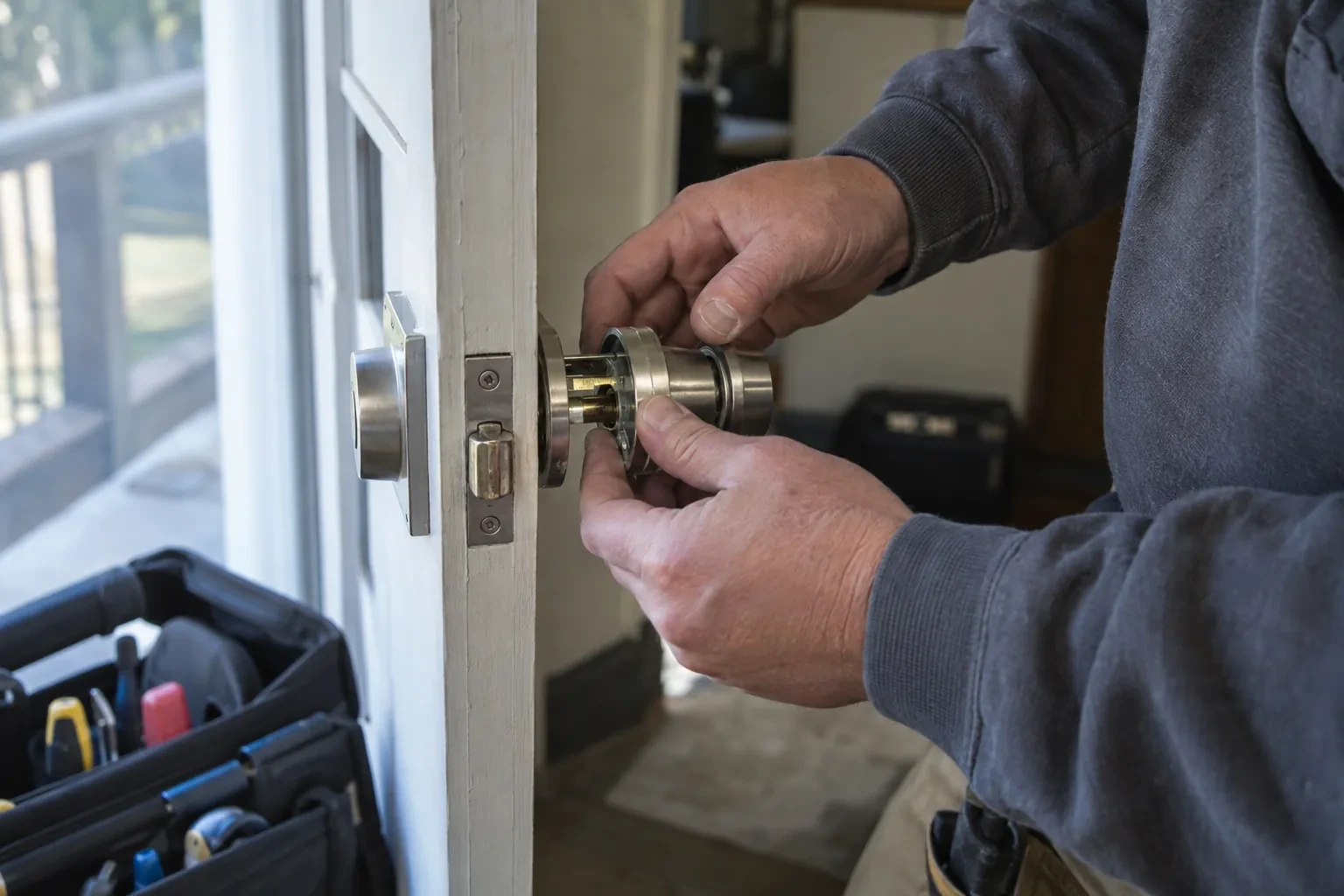
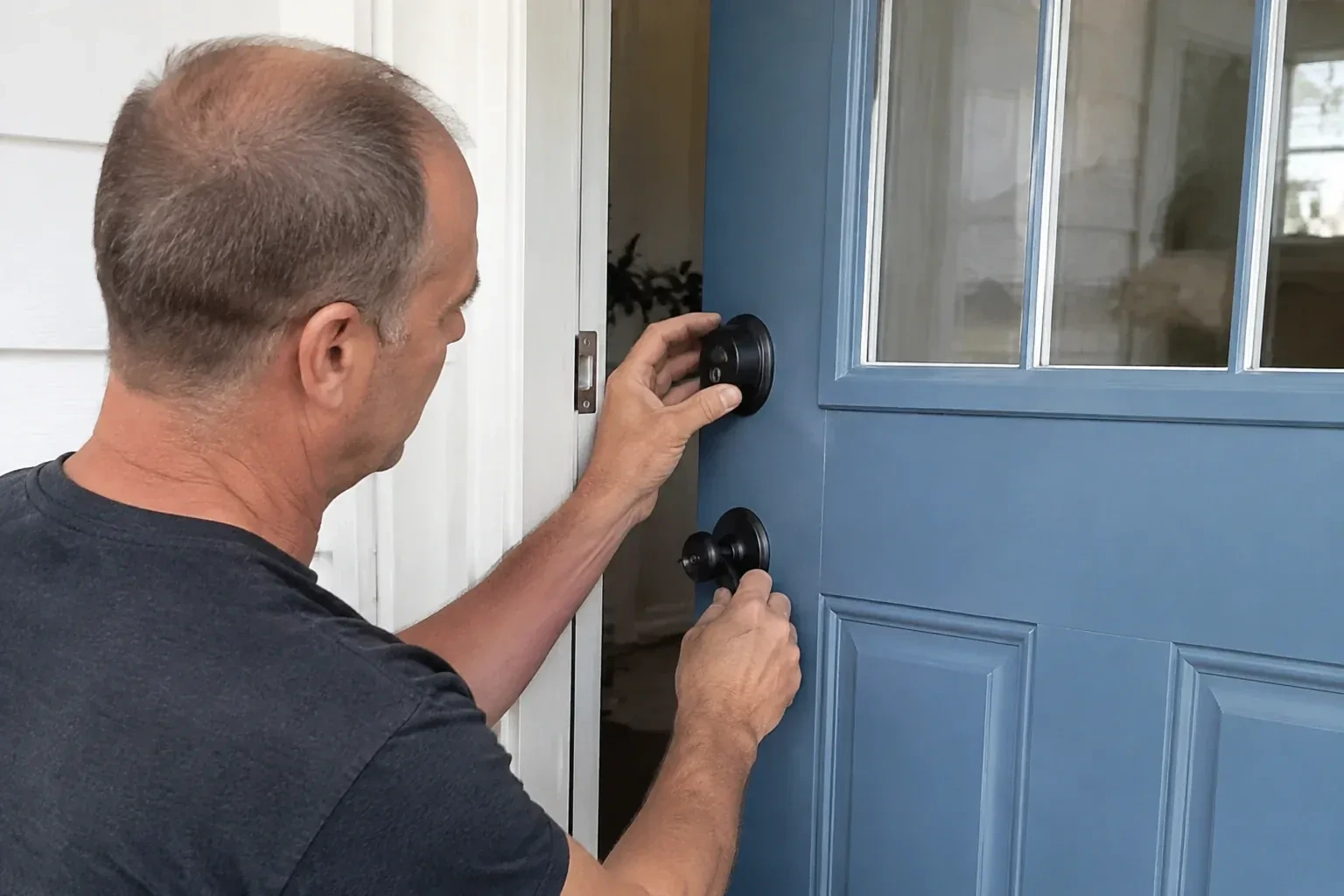
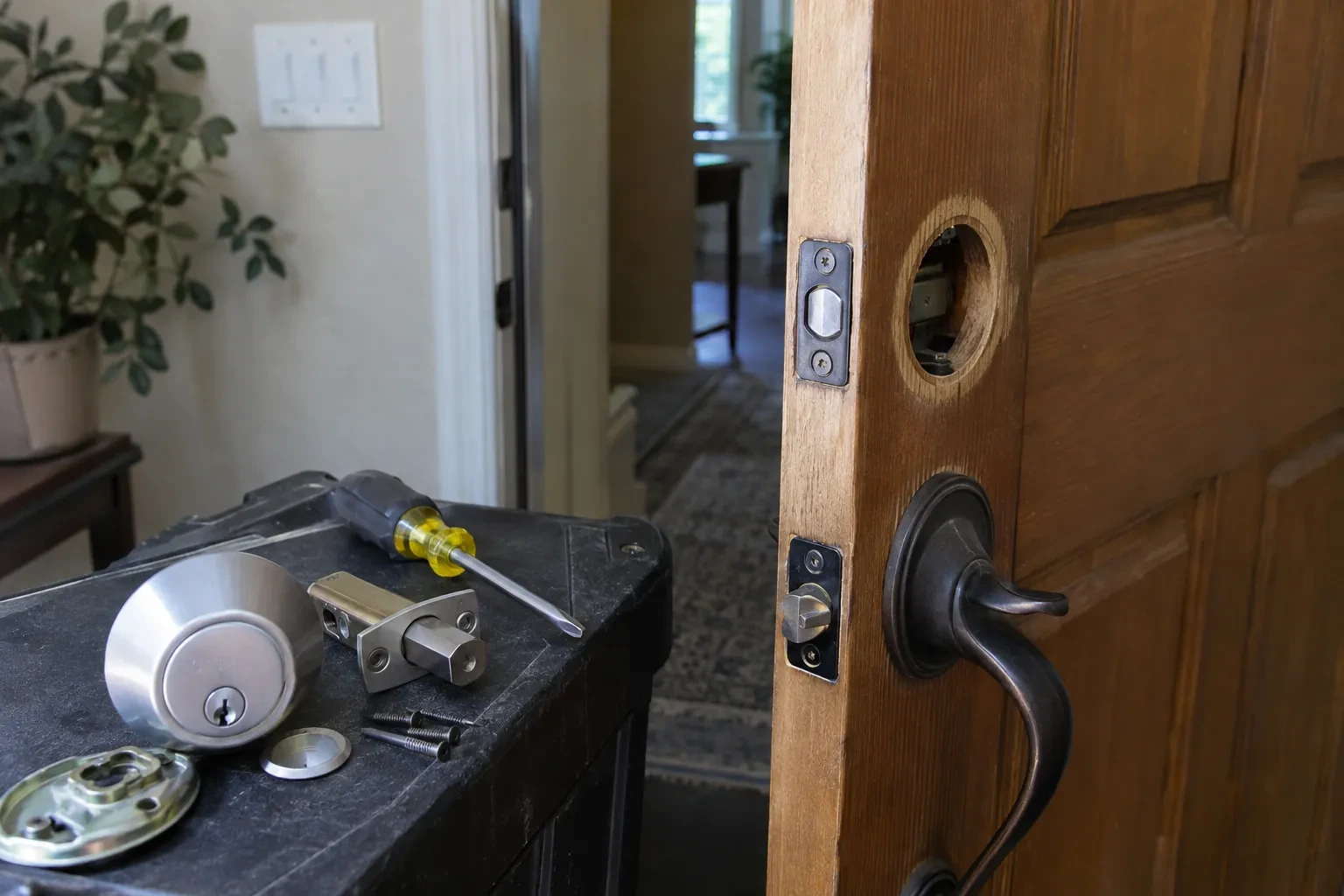
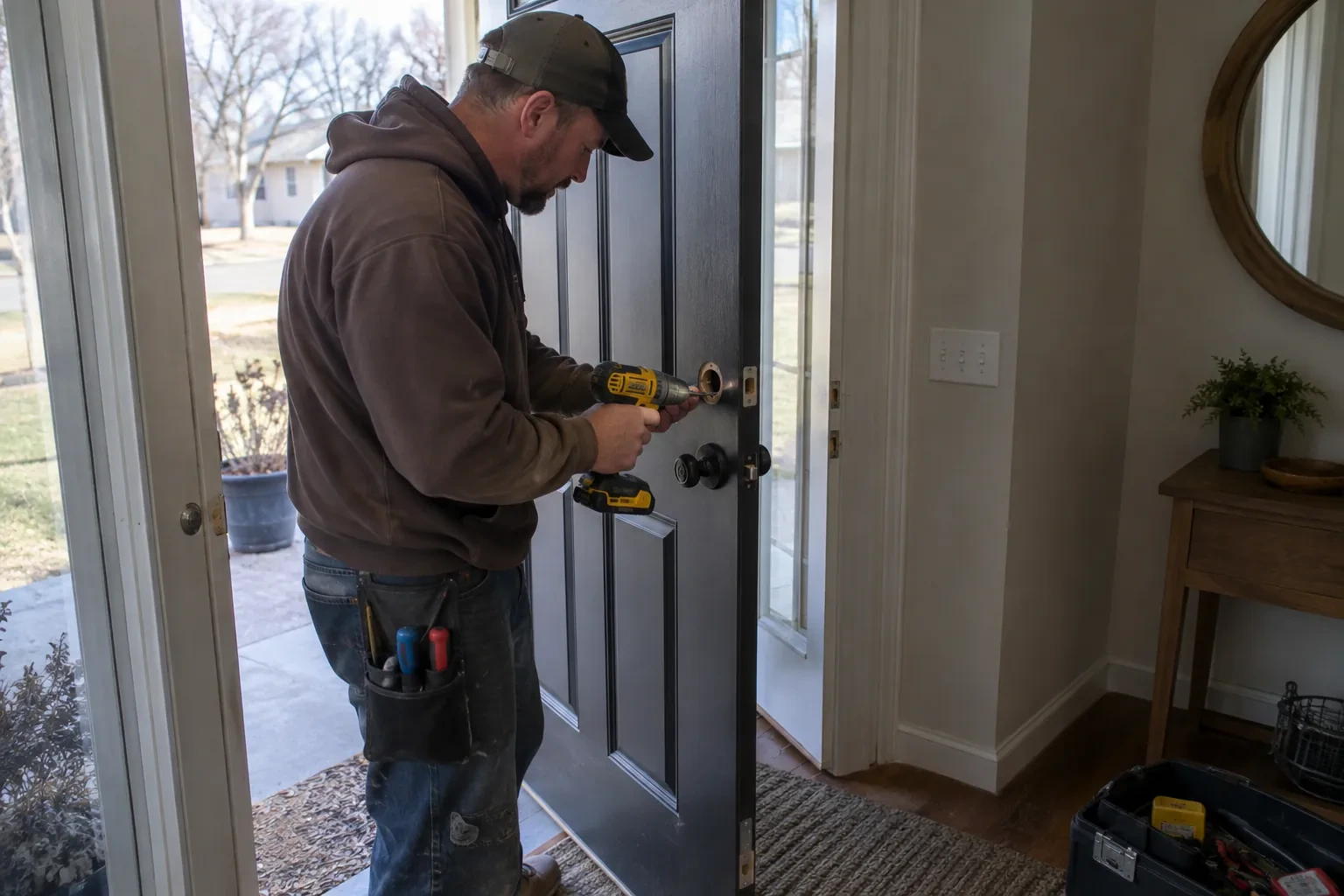
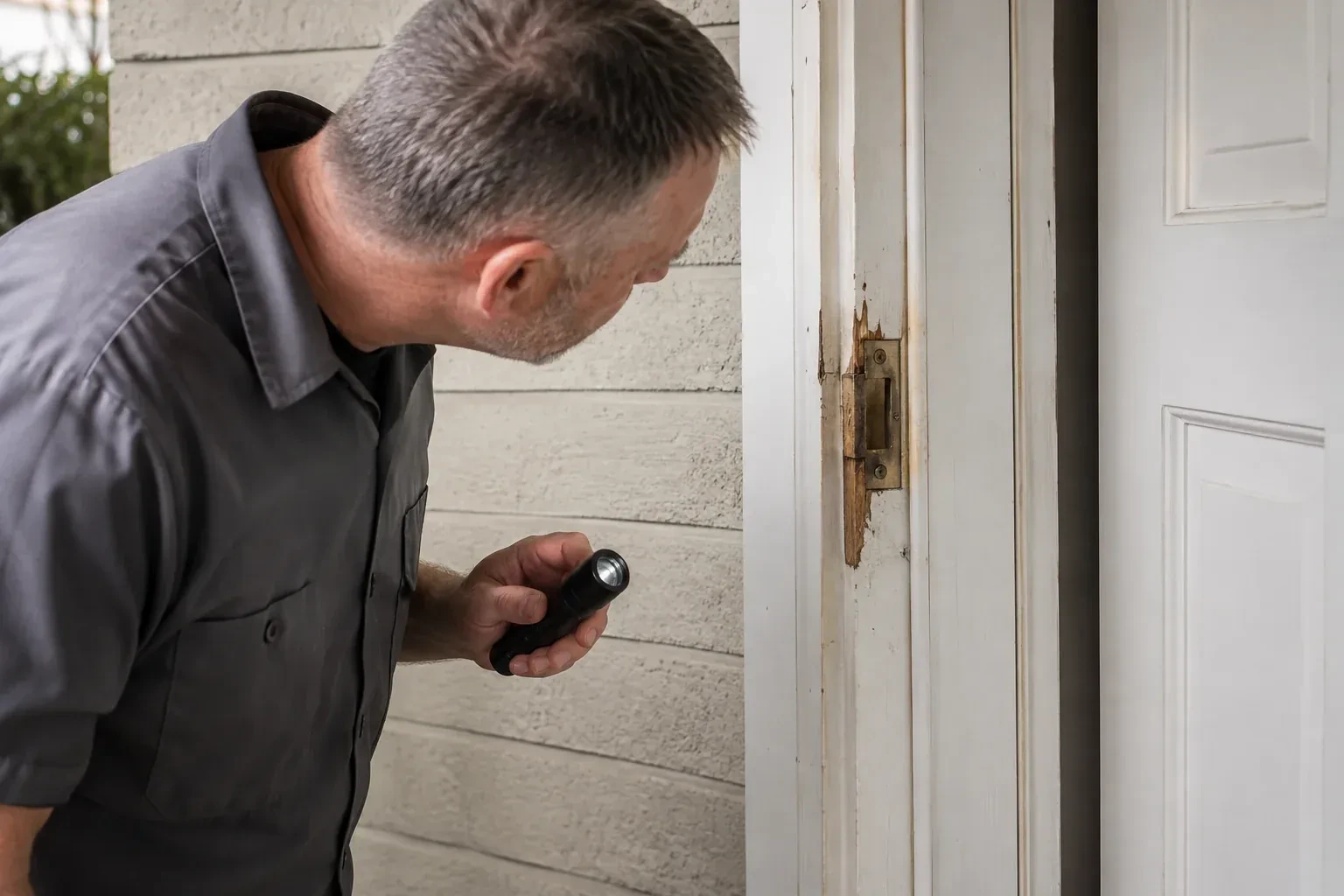
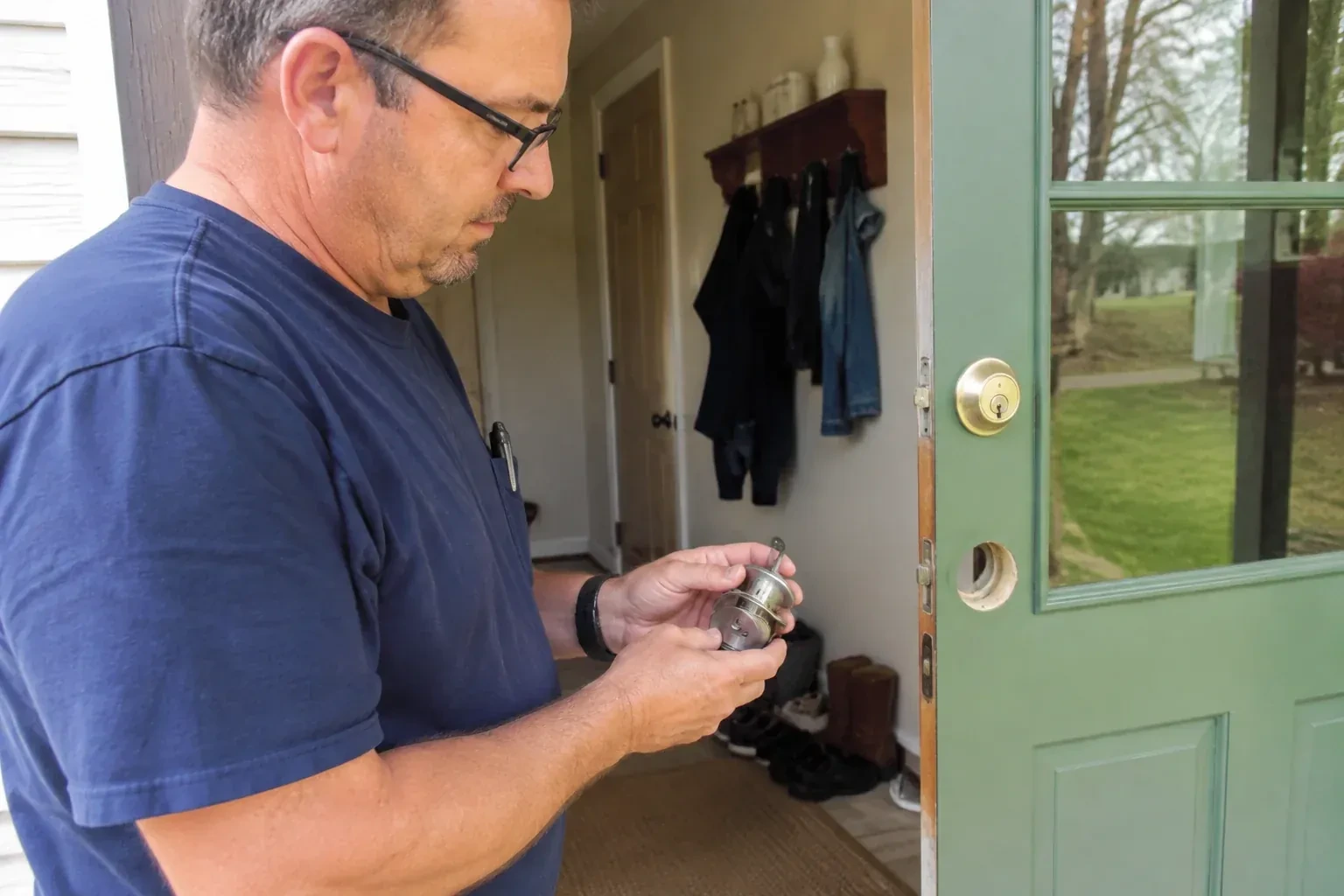
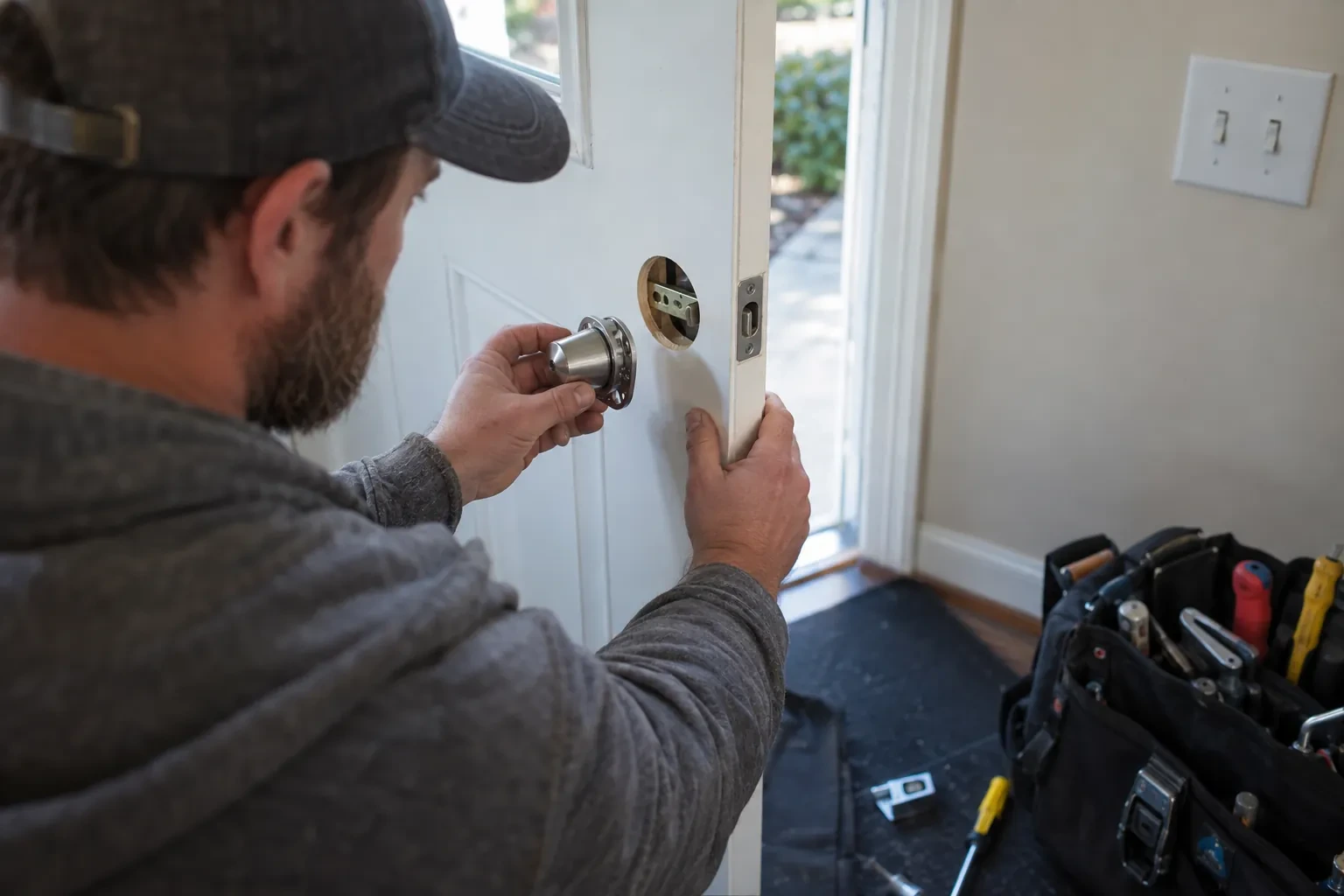
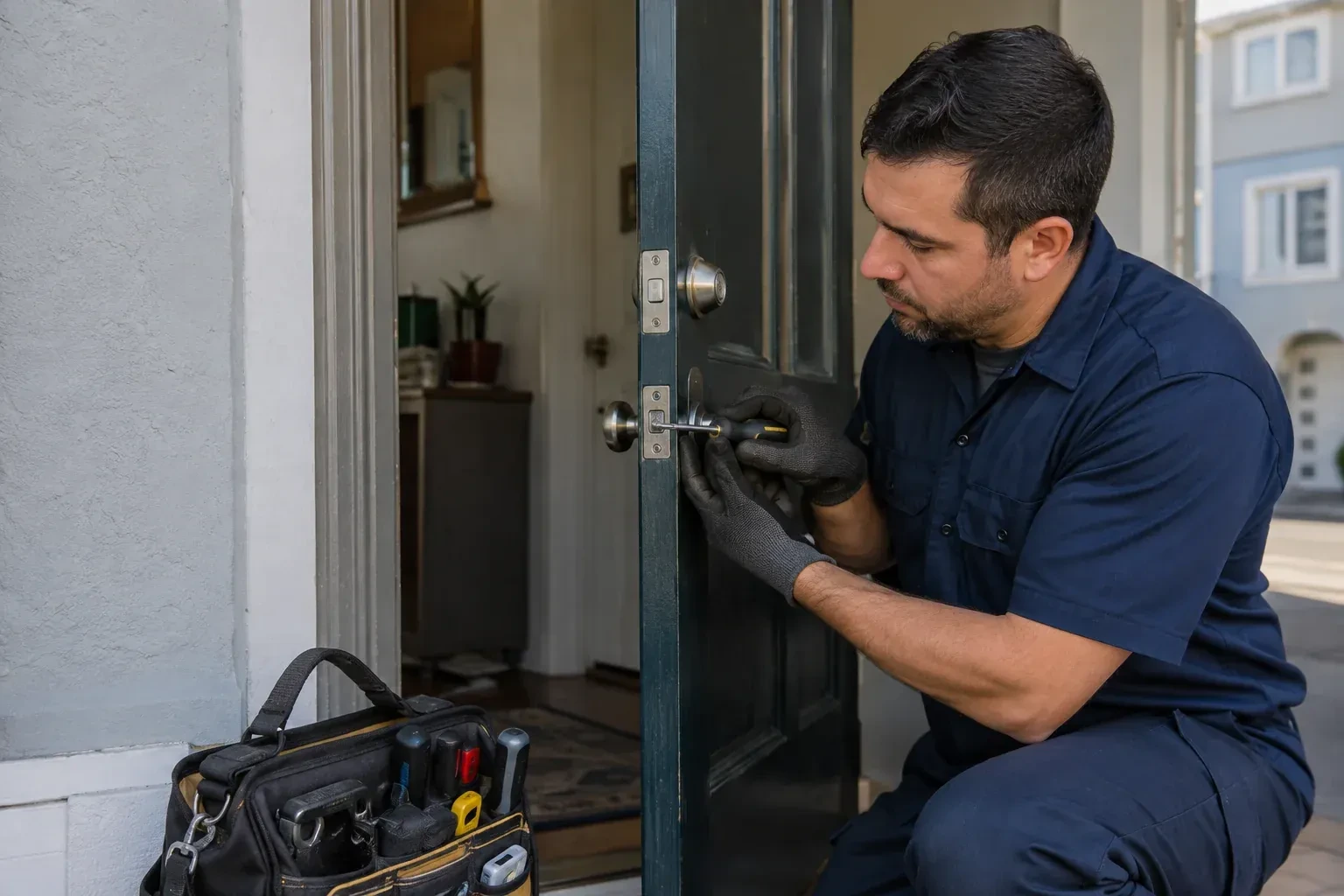
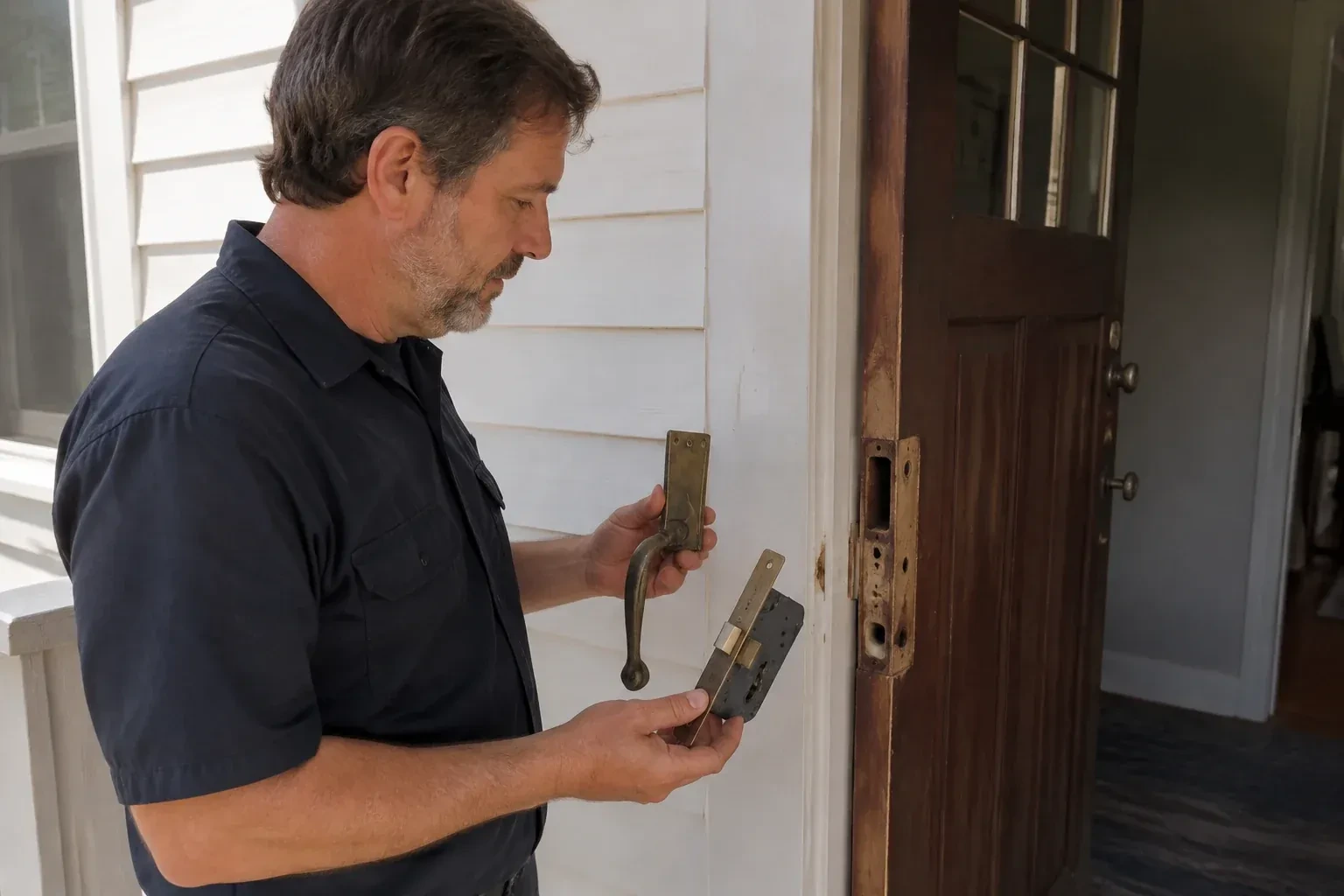
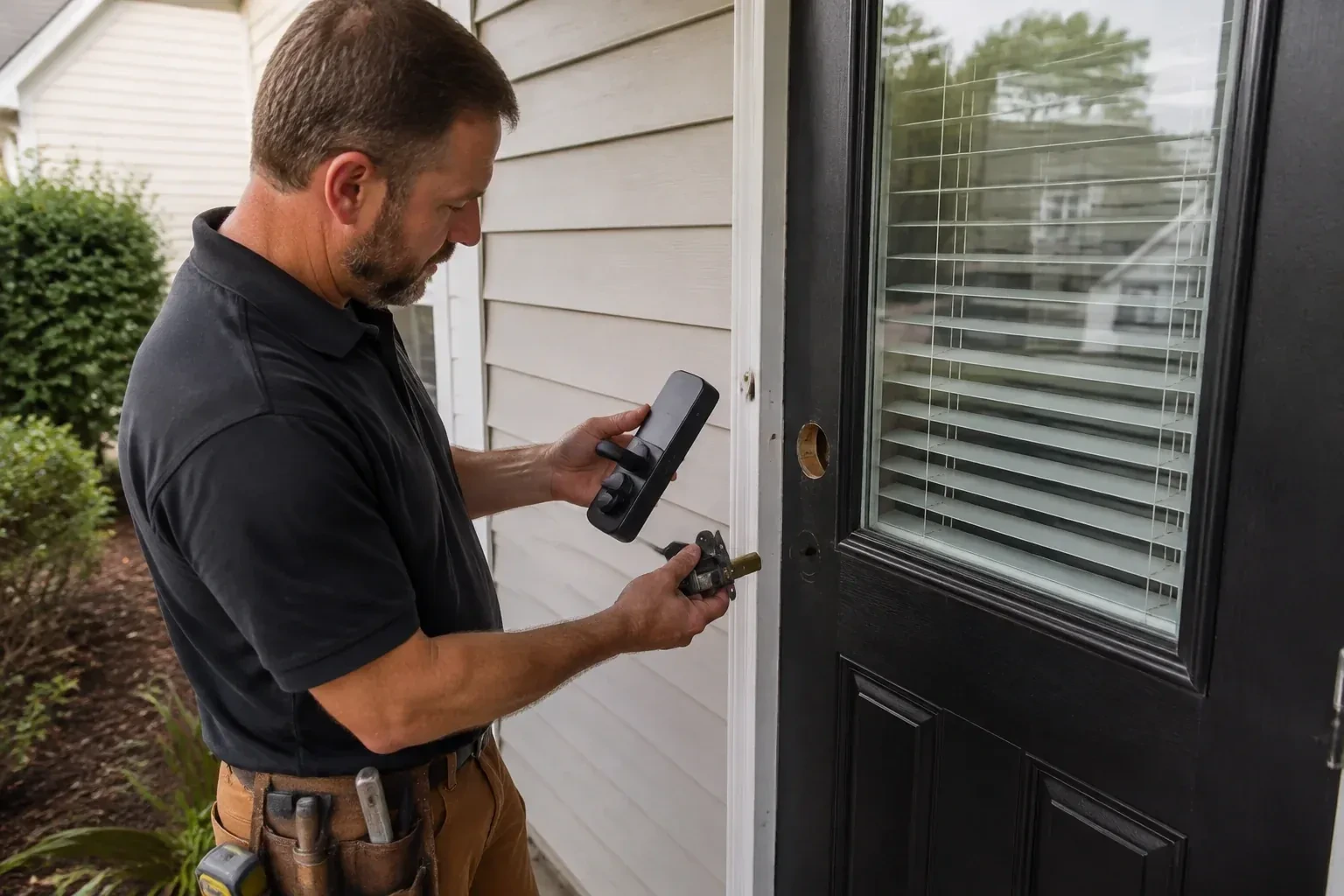
We treat the whole door in Byron, not just the cylinder. Hinges that have sagged, a strike plate held by short screws, a frame that has moved with the seasons: these decide whether a lock holds, and they are checked on every visit. Sometimes the right advice is a longer screw and a shim rather than a new lock, and we say so.
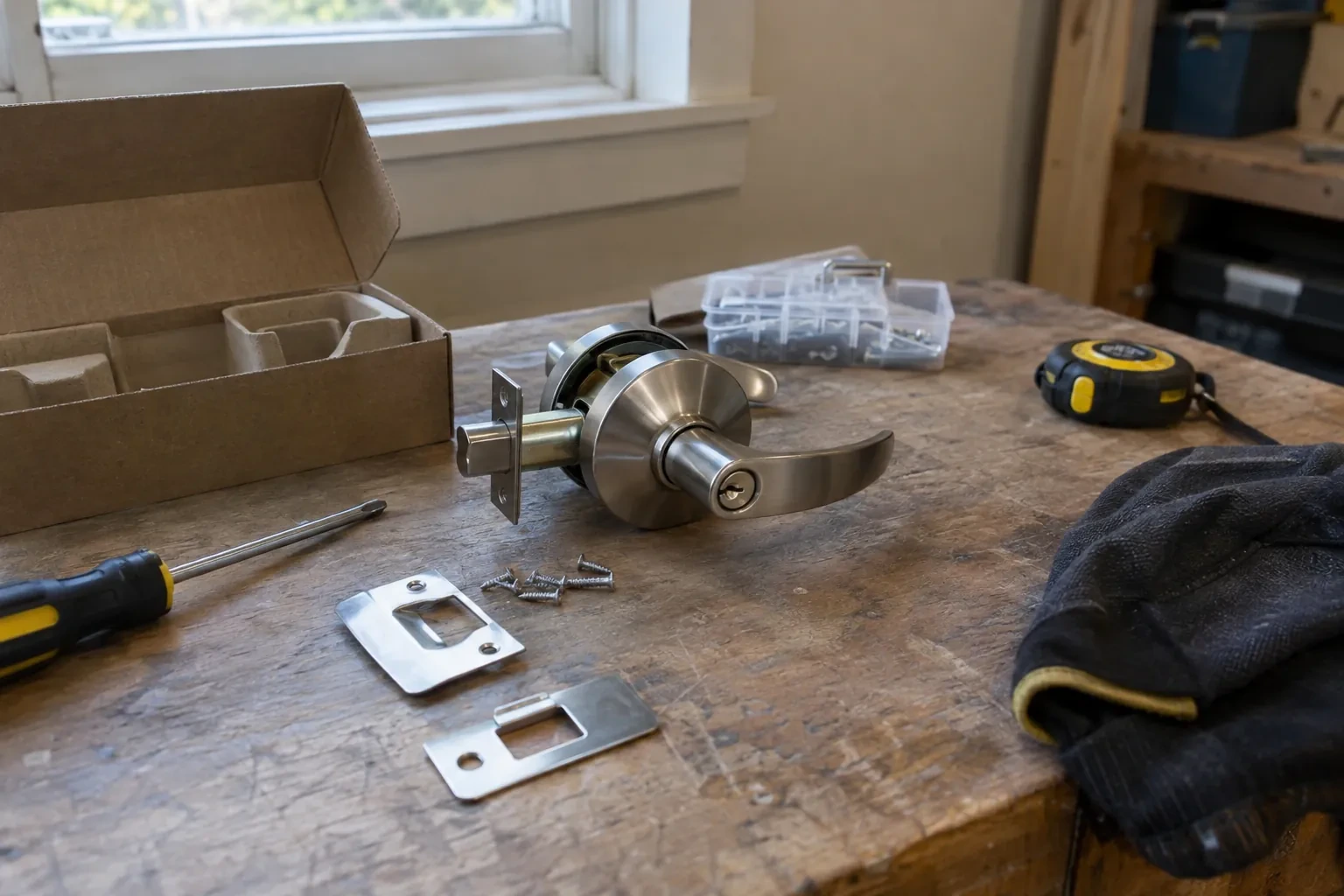
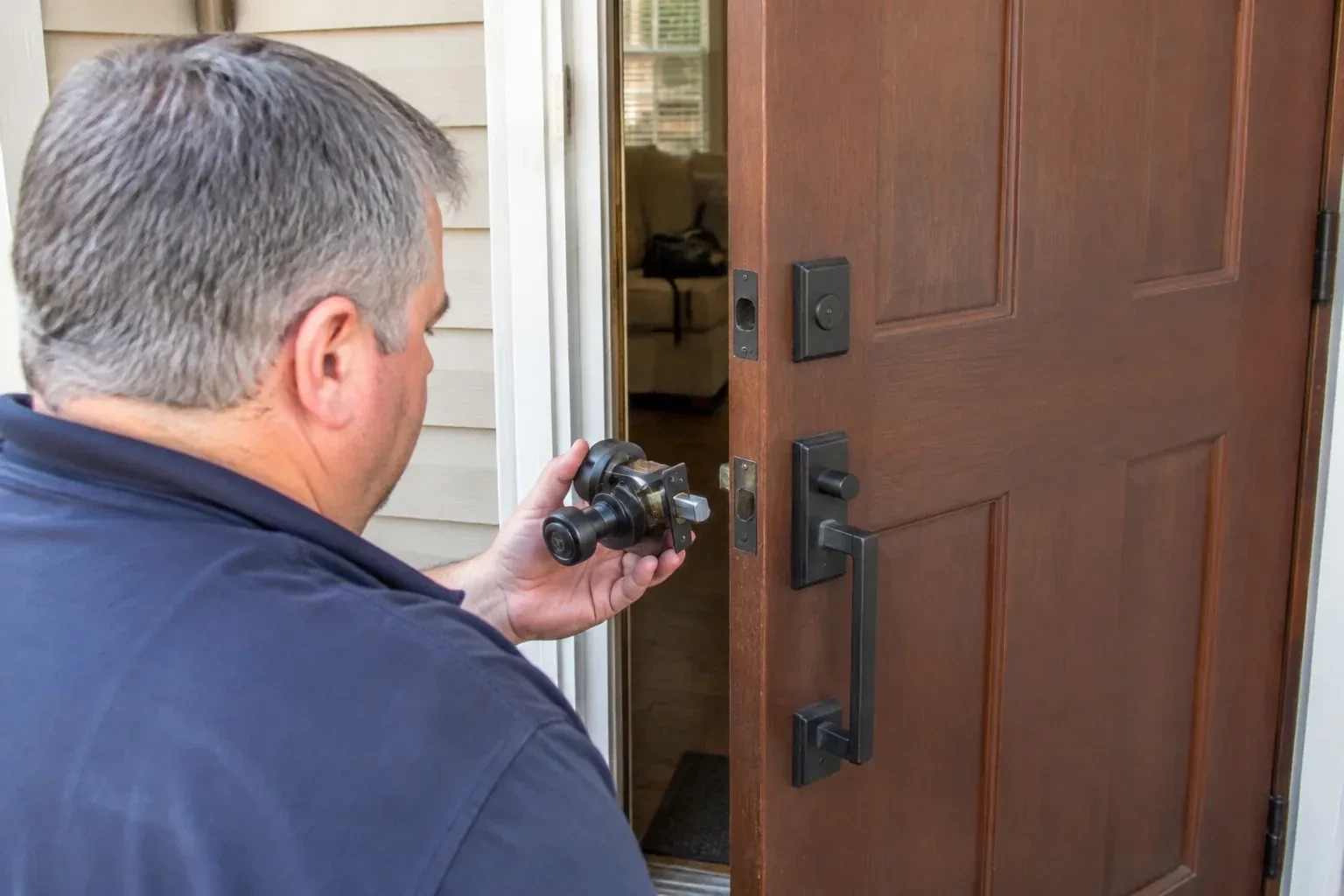
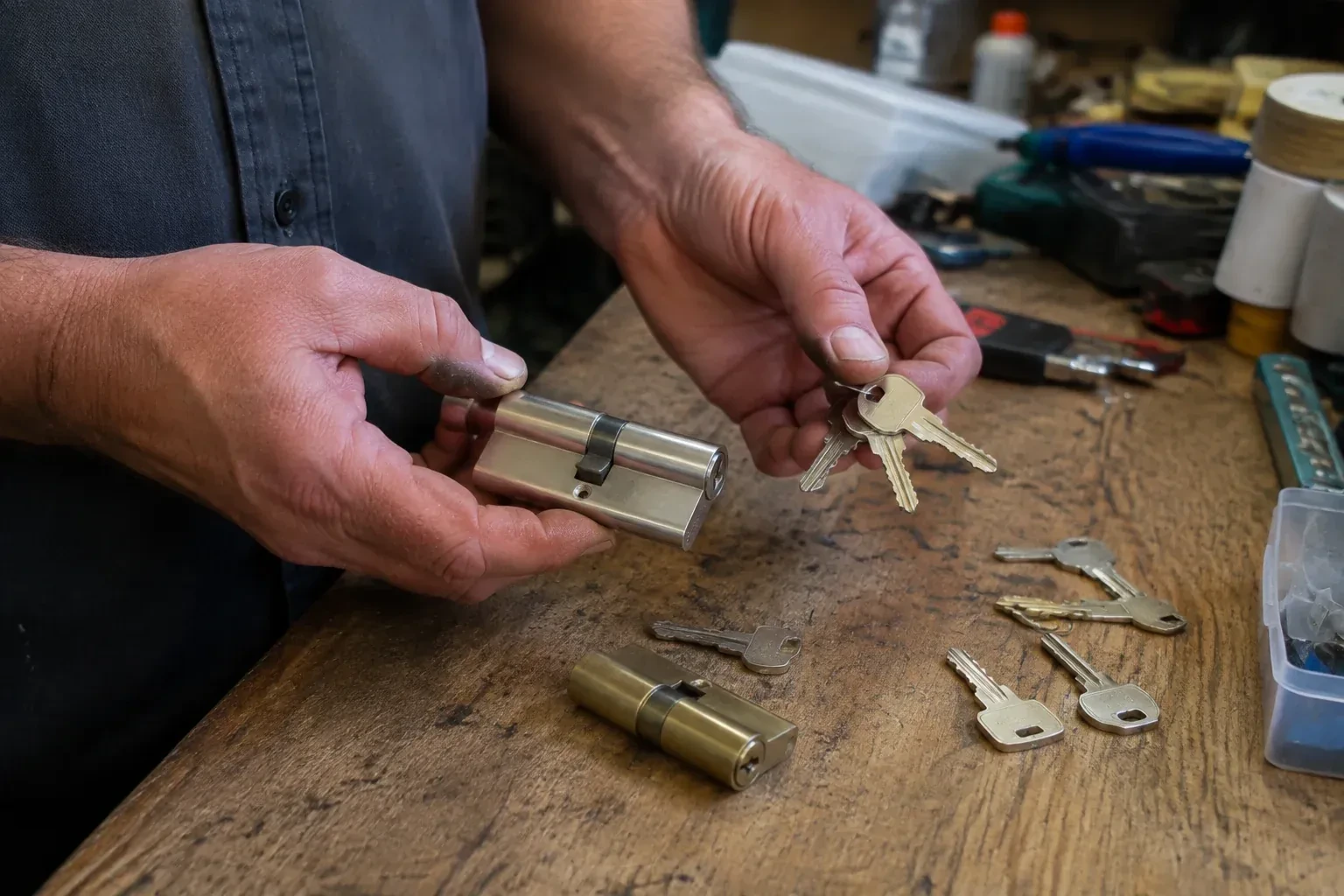
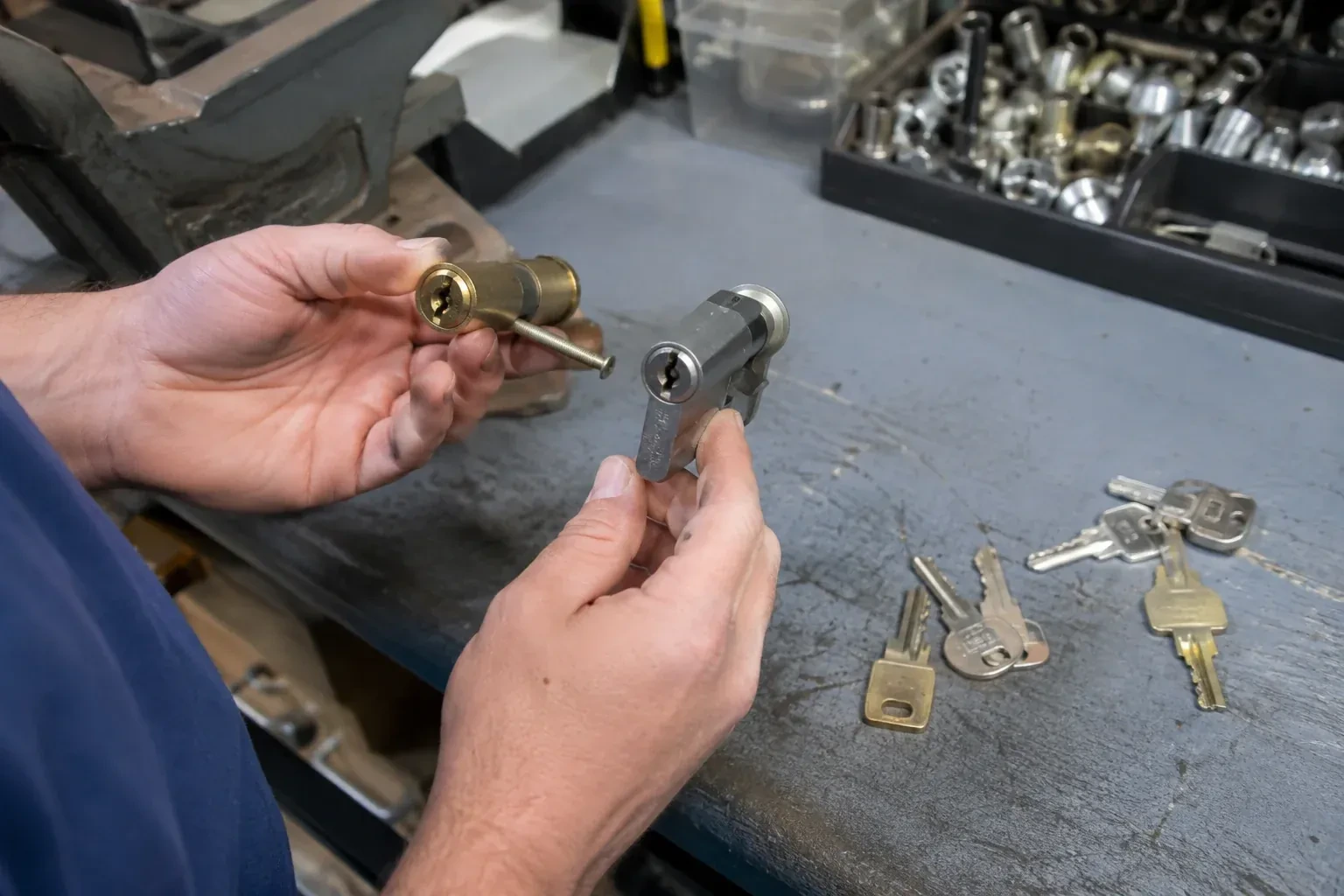
Moving into Byron? Rekeying is the simplest way to be sure that only your keys work. We change the pins in each exterior lock, cut a fresh set and check that every door closes and latches properly while we are there. It is a short visit that removes a long list of unknowns about who else might have had a copy.
33years in business
24/7open every day
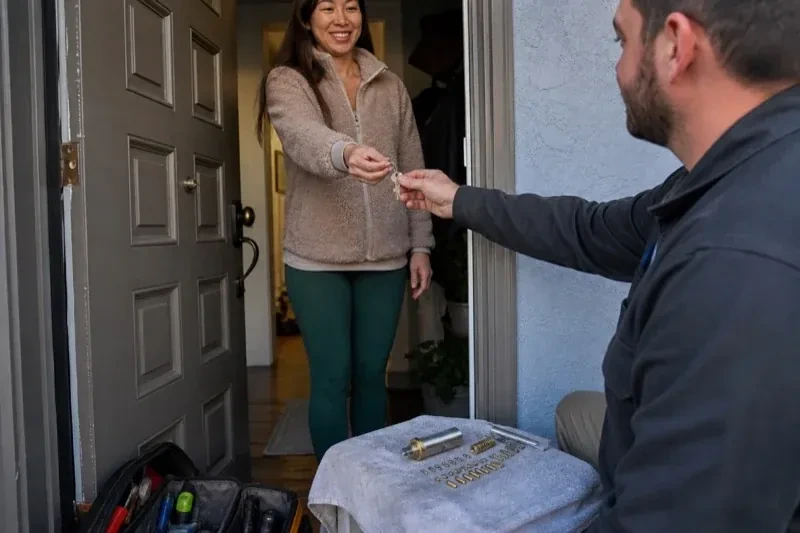
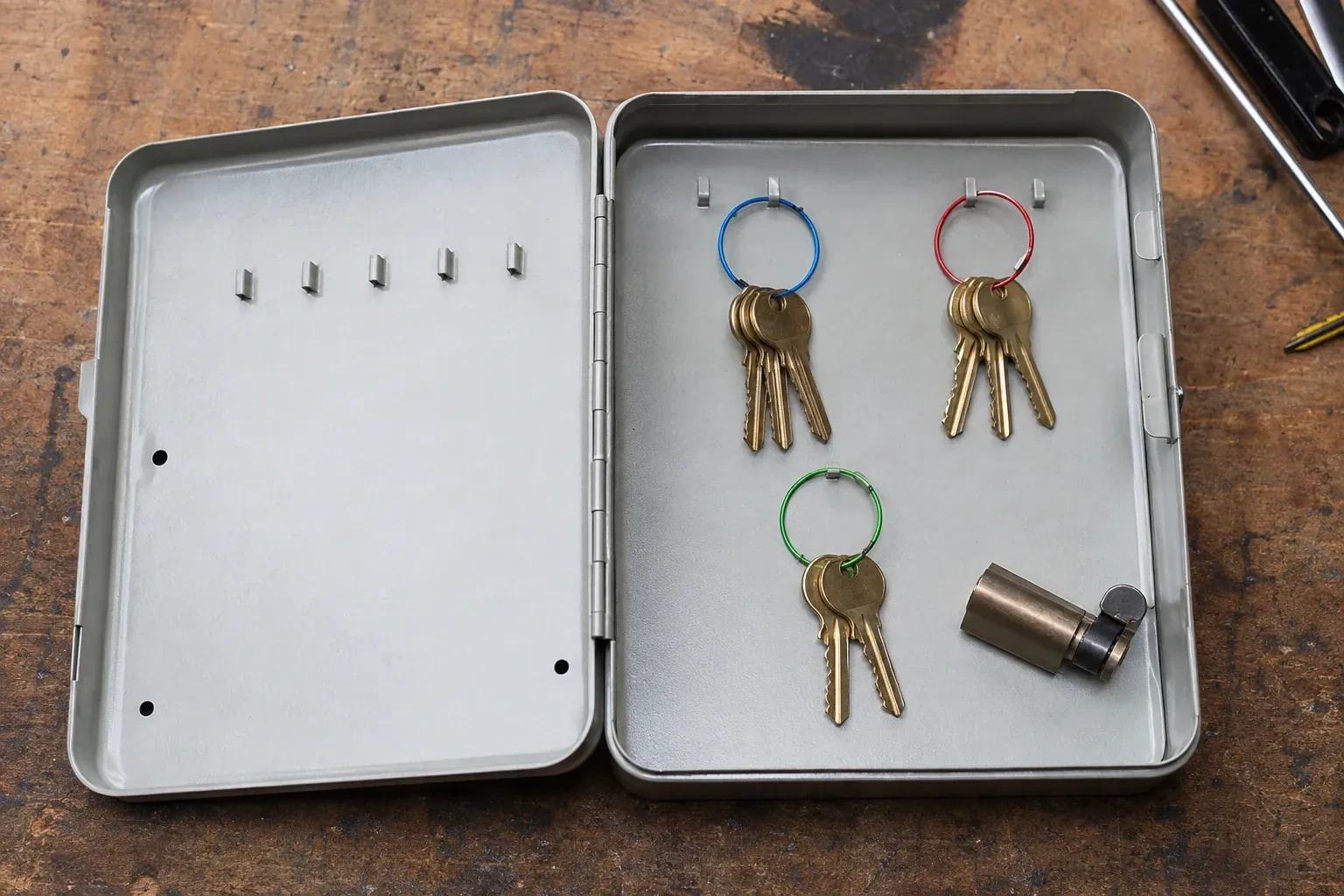
Clear about who can get in. After any rekey or replacement we tell you exactly which keys work and how many copies exist. Key control is the point, and you should have the full picture.
Careful with the building. We protect floors and finishes, work around your day where we can, and treat a shop or office with the same care as a home.
The choice explained in your terms. Rather than product names, we talk about what each option means for you: who has access, how it copes with weather, how easy it is to change later.
Use this list to find the lock service that fits your situation in Byron. Openings for lockouts. Rekeys and lock changes for new owners and departing tenants. Deadbolts and high-security hardware for people who want more from their door. Commercial hardware and master keys for businesses. Safes. Keys of every kind.
About 52% of homes in London were built in 1980 or earlier, according to the 2021 Census.
Older homes
Layers of paint build up on older doors and frames, and a lock that seemed to fail is sometimes a latch glued shut by the last coat. Part of the visit in an older area is freeing hardware, cleaning the edges and checking the door swings true.
Single-detached houses make up about 49% of homes in London (2021 Census).
In mixed neighbourhoods, a family may move from an apartment to a house or the other way around. A locksmith who knows both kinds of door can rekey the old place for the next occupant and set up the new one on the same visit.
The moving truck has left, half the boxes are inside, and the single key the previous owner handed over turns the knob but not the deadbolt. Someone locked it on the way out, and nobody has a key that fits it.
A cook stepped into the alley with the recycling and the rear door swung shut behind him. The push bar works from inside, but the outside handle has a keyed cylinder and the key is hanging in the kitchen office. The front door is locked too.
The spare under the planter by the side door is gone. Everyone in the family swears they did not take it, the planter has clearly been shifted, and you have no idea how long ago that happened.
Three months of renovation are finally done. The kitchen looks wonderful, and along the way a general contractor, a tile installer, a plumber and an electrician each carried a key to your front door at one point or another.
The bolt on the front door is keyed on both sides. Getting out at night means finding the key in the dark, and with a toddler in the house you have decided the inside should turn by hand. You want it done properly, not just swapped.
A colleague showed you a video of a lock being opened with a bump key in a few seconds. Then you went home and noticed your own deadbolt is the same style, bought at a hardware store a decade ago.
A new tenant moved into the unit next door, and the property manager just found three different cylinders on three doors, none of them cut to the same key.
You stepped out at the pump to pay inside, the passenger locked their door out of habit, and the driver's door caught behind you. The engine is off, the keys are in the ignition, and the line of cars behind you is growing.
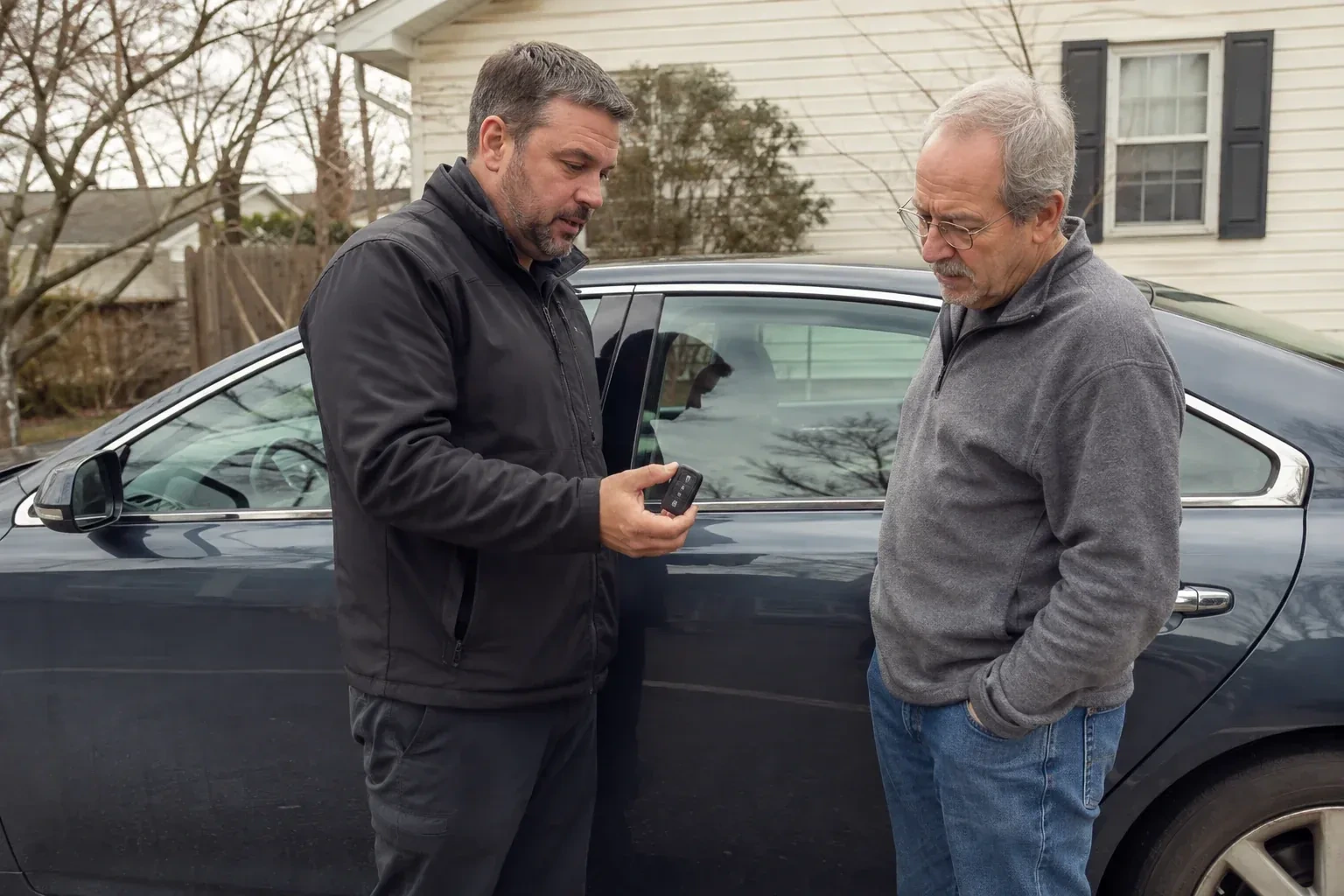
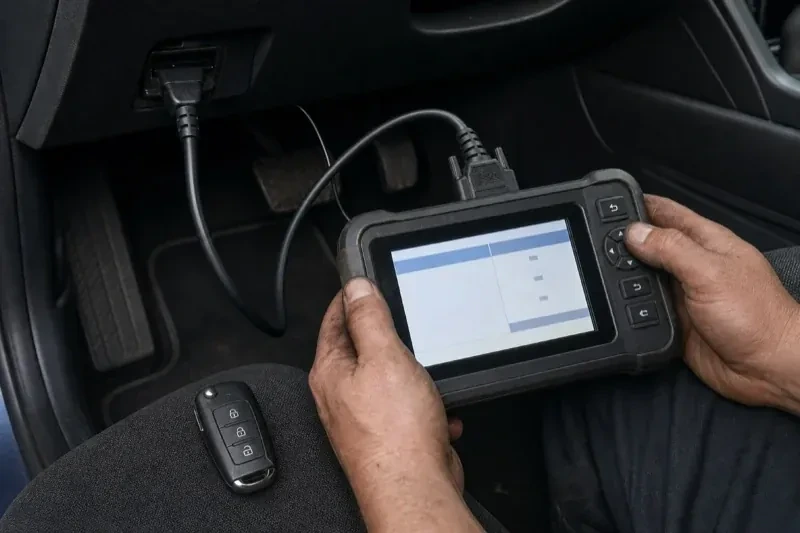
Buttons on the fob still light up and the remote still clicks, but the vehicle refuses to start even with the fob sitting in the cupholder. The mechanical blade turns the door without trouble; something further inside the dashboard has stopped recognizing the fob's signal.
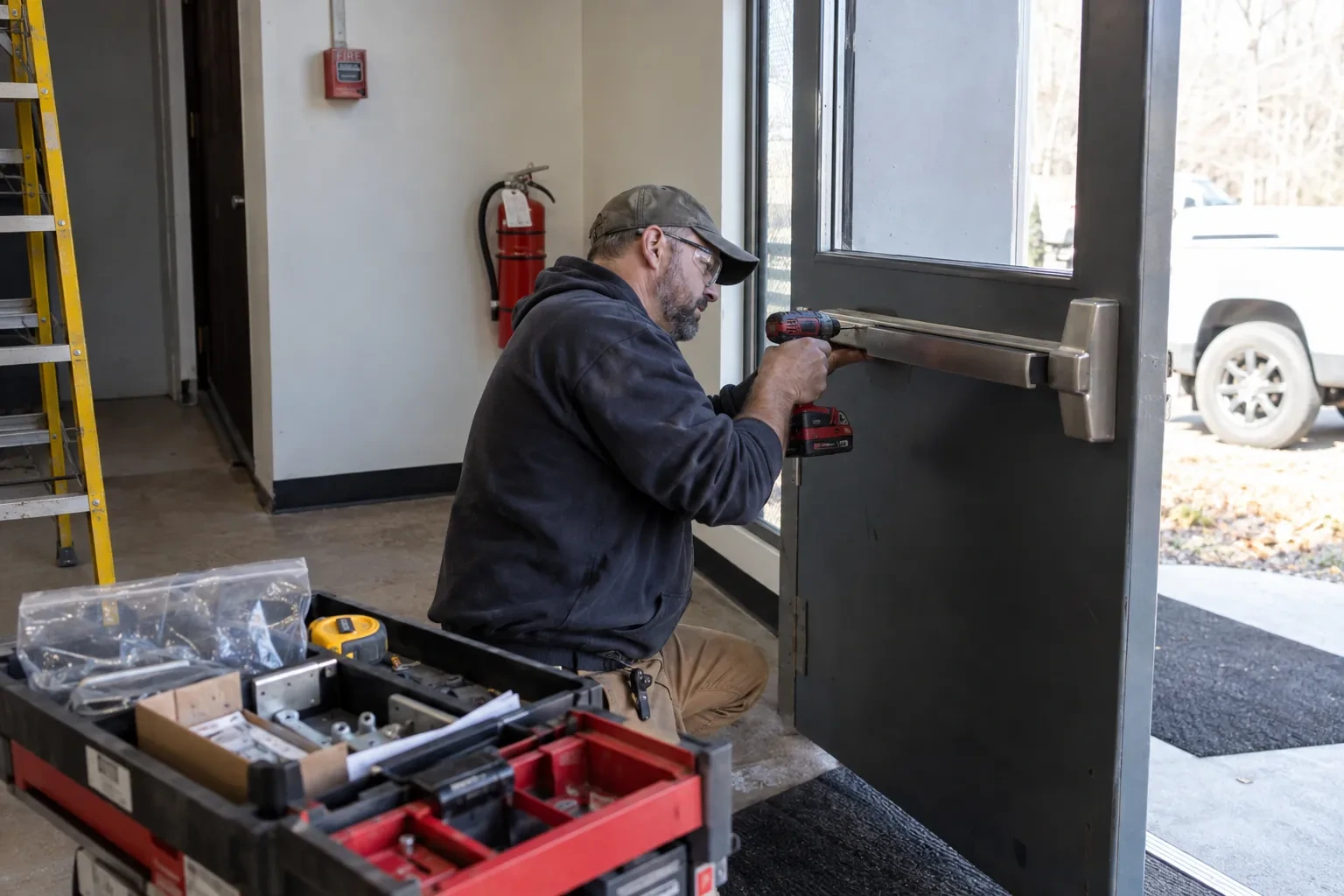
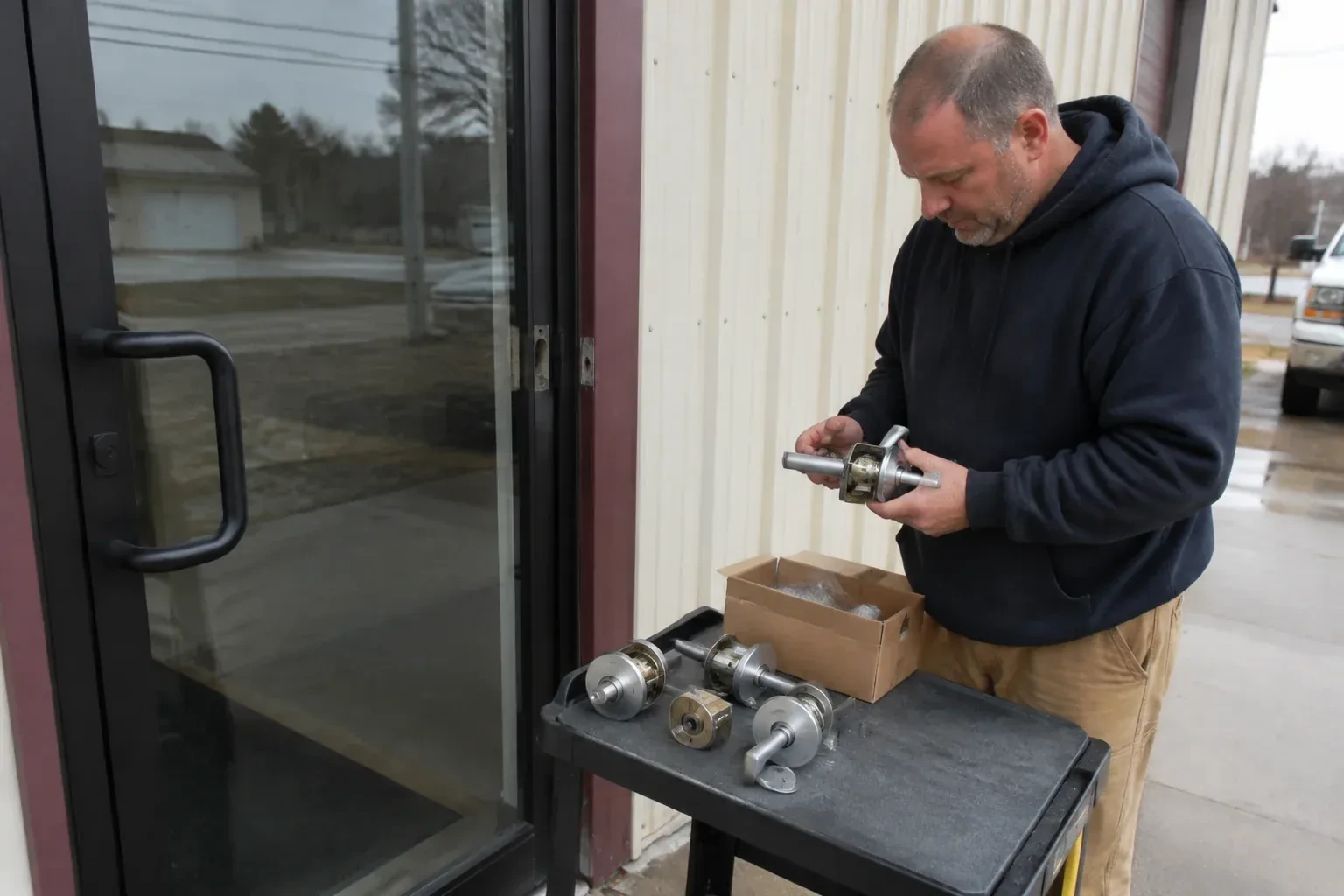
Commercial doors carry more hardware than most people notice: cylinders, exit devices, closers, strikes, keypads. When one part fails the door stops behaving. We service and replace all of it and set up key systems that survive staff changes.
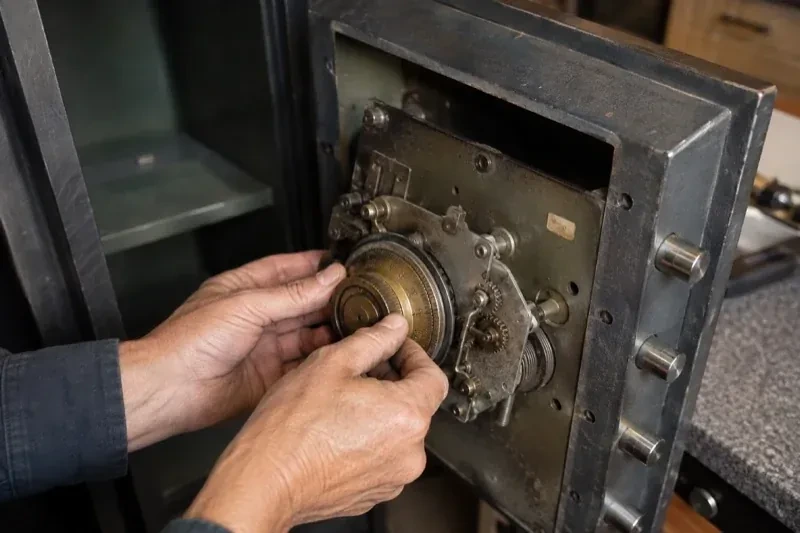
A homeowner inherited a heavy old dial safe from a parent's house, moved it into the new place, and has no idea whether the bolt-work still works, whether the lock is sound, or how it should be anchored.
Which fix fits?
The moving truck has left, half the boxes are inside, and the single key the previous owner handed over turns the knob but not the deadbolt.
WhyThis service suits anyone who wants to stop wondering.
A new tenant moved into the unit next door, and the property manager just found three different cylinders on three doors, none of them cut to the same key.
WhyA business door rarely fails the same way a house door does, because it opens far more often and often has to satisfy a fire or egress rule a home door never faces.
You stepped out at the pump to pay inside, the passenger locked their door out of habit, and the driver's door caught behind you.
WhyLosing a fob raises a question a spare doesn't answer on its own: whoever has the missing one can, in principle, still use it.
How a visit goes
Describe the property, the hardware and what has changed, and the visit starts from what you have seen.
1
2
3
01
Verifying the caller
We ask for something that ties you to the premises: a lease, business card, or a call to the owner. Opening a shop for the wrong person is not a risk we take.
02
Getting the door open
Storefront and office locks vary, so we choose the approach that leaves the hardware intact wherever possible. If the lock itself has failed, we tell you before opening it.
03
Getting you back to trading
Once inside we check the lock, cut keys if needed and note anything that should be addressed later so your day can carry on.
I am a landlord. Can you open a unit my tenant is living in?
A locksmith will want to understand the situation first, because a tenant's right to their home is protected and a lockout of a tenant is something only a sheriff enforcing a Landlord and Tenant Board order may carry out. Legitimate reasons do come up: a tenant has asked you to let them in, a vacated unit needs securing, or an emergency requires access. Bring ownership records and be ready to explain the circumstances, and the locksmith will help you handle it properly.
We need to open for customers. How do you sequence the visit?
Entry comes first and repairs second. Once authority is confirmed the door is opened, staff go in and start their routine, and the locksmith turns to the cause: extracting a broken key, rekeying for a lost one, re-springing a deadlatch or lifting a dropped door. Anything that can wait for a quieter hour, such as rekeying interior doors, is offered as a return visit so the shop floor is not blocked while it trades.
Do I need to be there for the whole visit?
An authorised adult should be present at the start, for identification and to agree the list of doors and the number of keys, and at the end, to test every key and take the count. In between, the work happens at the doors and on the van, so you are free to get on with your day inside. A property manager or a family member with your authorisation can stand in if you cannot be there.
What exactly does rekeying a lock change?
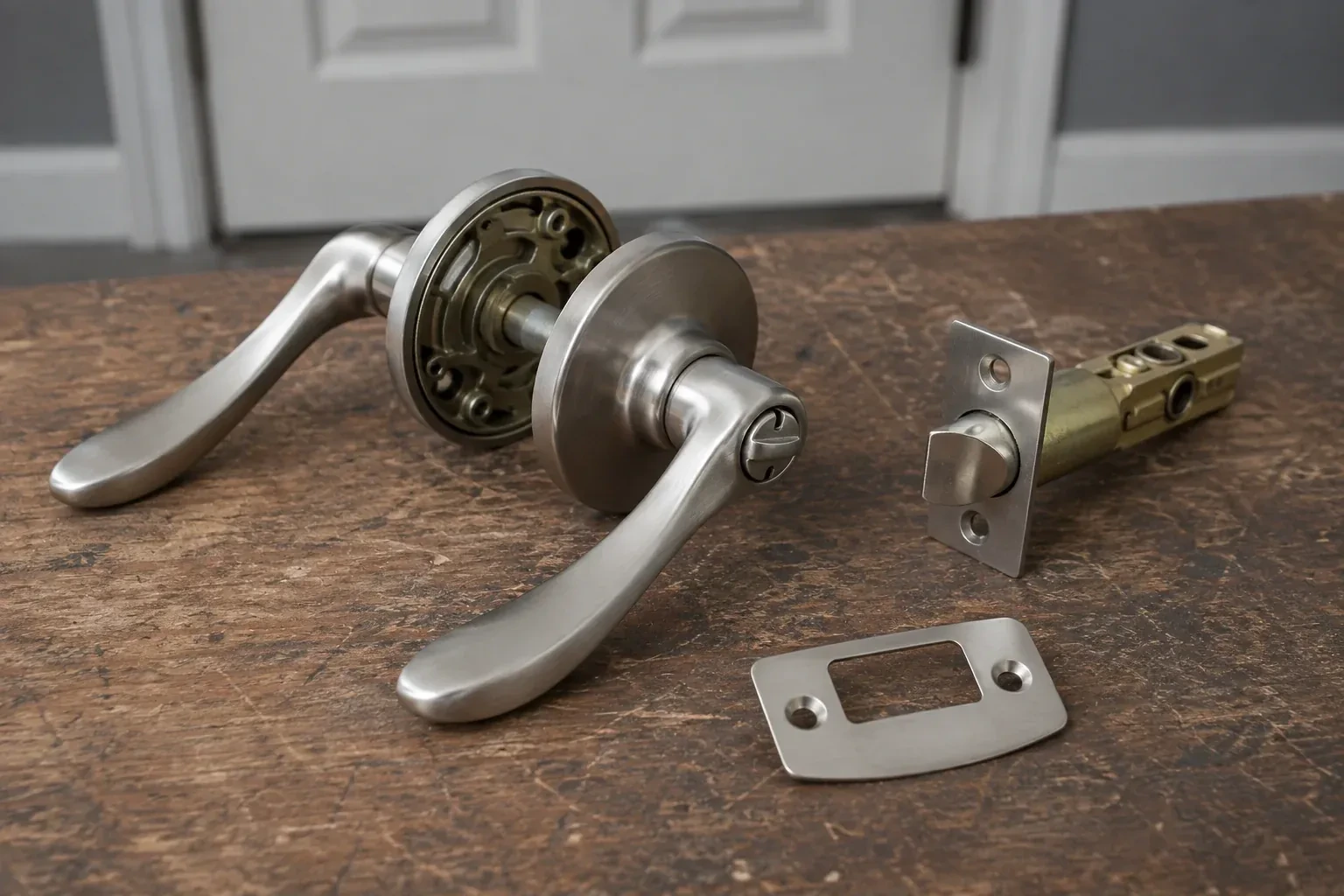
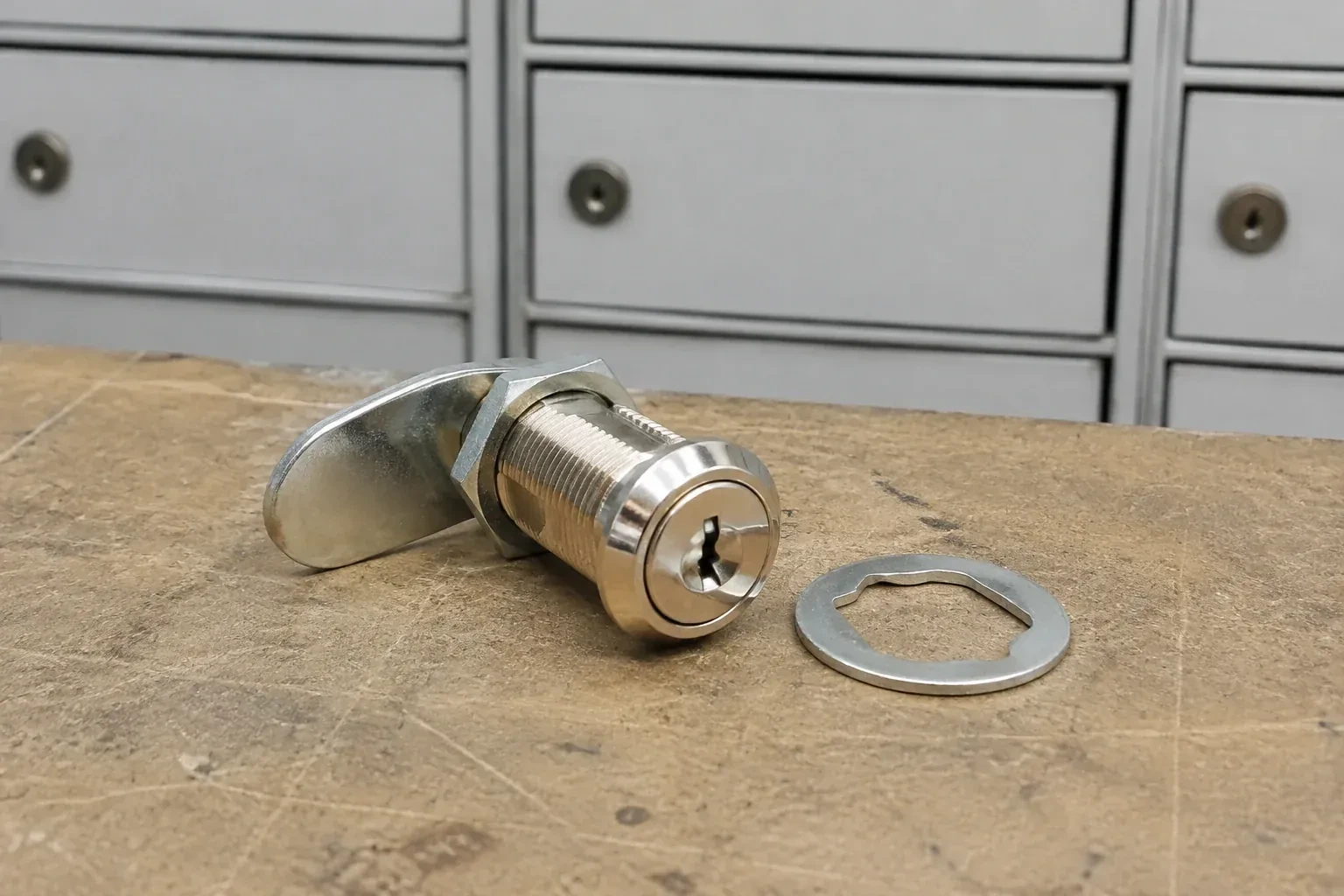
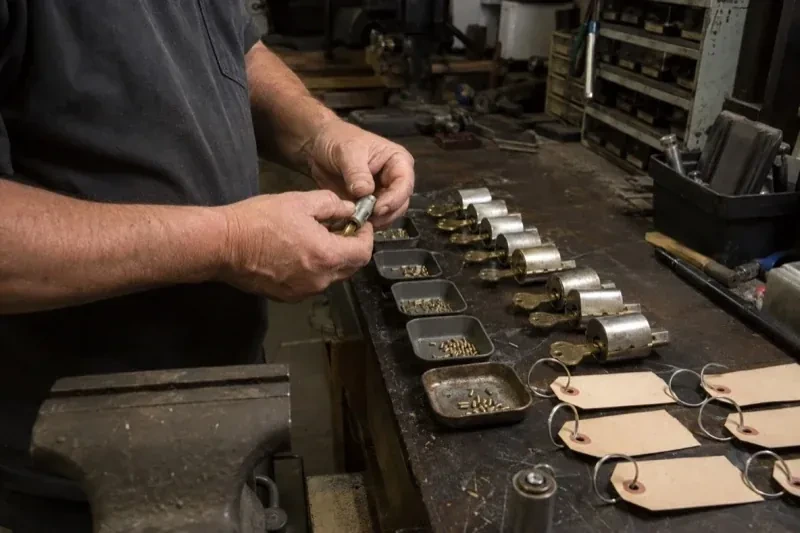
What changes depends on the cylinder. Many locks turn when a row of small bottom pins lines up at a precise level, set by the cuts on your key, and during a rekey the locksmith tips those pins out and loads a set that lines up with a different key, cut new for you; some residential cylinders instead reset a side-locking bar without removing any pins. From then on the new key operates the lock and older keys do not, and the hardware on the door stays as it was.
How do I look after a deadbolt once it is installed?
Very little is needed. Each spring and autumn, lock the door from inside and feel whether the bolt still goes home without the door being pulled; if it hesitates, the door has moved with the season and a small strike adjustment restores it. Whatever lubricant the lock's own maker specifies keeps it smooth, often a dry PTFE or graphite type in the keyway and along the bolt, though some cylinders are meant to be serviced with oil. In winter, wipe road salt off the outside trim to protect the finish.
What information helps before the visit?
A photo of each door's lock from inside and outside, the type of door, whether there is glass nearby and roughly how many keys are in circulation. For a business, a sketch of the doors and who needs to reach each area saves a great deal of time. Mention any door that sticks, has been forced or has a closer or push bar on it. With that, the locksmith arrives with the right formats and a plan to discuss.
What happens to keys held by former employees or contractors?
Once a cylinder is replaced or rekeyed, any key that was not reissued for the new combination simply stops working on that door. This is the direct answer to a key that walked out with someone who left the business, and it is worth doing across every door that key used to open, not only the one that prompted the call.
Will you need to see identification before opening my car?
Yes, and it is the part of the visit that protects you most. Photo identification matched against the vehicle permit, the insurance card or a rental agreement shows the car is yours to open. The permit carries the owner's name and plate number, so the match is straightforward. Roadside clubs ask their locksmiths for the same check, and every car owner benefits from a trade that asks before it opens.
How many fobs can be registered to one vehicle?
This depends on the manufacturer, since each vehicle's memory has a set limit built in, commonly enough for several drivers plus a spare. The visit checks how many the specific vehicle allows and how many are already registered, so a household adding another driver knows whether there is room before a new fob is ordered.
Request a visit
We treat the whole door in Byron, not just the cylinder. Hinges that have sagged, a strike plate held by short screws, a frame that has moved with the seasons: these decide whether a lock holds, and they are checked on every visit. Sometimes the right advice is a longer screw and a shim rather than a new lock, and we say so.