Car keys · London
Transponder Key Programming
Since the remote starter was installed last month, the original key has started acting strangely, the car catches on the first turn some mornings and refuses outright on others.
In plain words
Transponder-based immobilizers became mandatory equipment on new vehicles sold across the country from September 2007 onward, though many manufacturers had already been fitting them for years before that date. Practically, this means most vehicles on the road today, whatever their age, already expect a key that carries a chip rather than a plain metal blade. A locksmith working on an older, pre-transponder vehicle follows a noticeably different process than one working on a car built after that standard became routine.
How the visit goesA second driver has joined the household, and the one existing key gets handed back and forth between two schedules that rarely line up. Everyone agrees another key would settle the daily handoff, but nobody has looked into how a modern ignition actually learns a new one.
Transponder Key Programming
How the visit goes
Whether the lock and the immobilizer agree
A key has two jobs: turning the mechanical lock and satisfying the electronic immobilizer, and the two are checked separately before any programming starts. A blade can be cut perfectly and still fail the second test if the wrong chip family ends up in its head. Confirming both together, rather than assuming a good mechanical fit means the electronics will follow, is what keeps a finished key from turning the lock politely while leaving the engine exactly as unresponsive as it was.
Programming through the diagnostic port
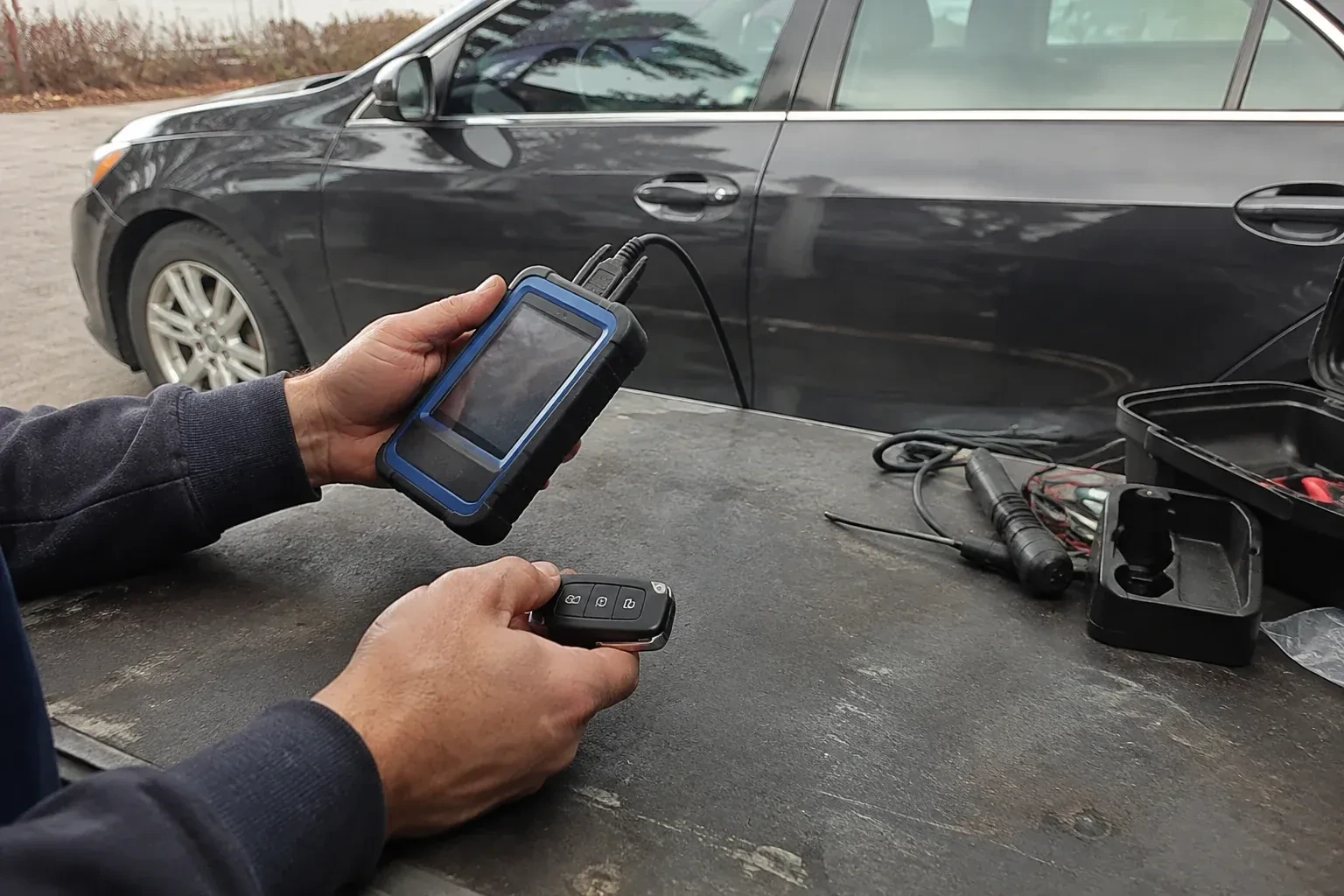
On most vehicles, the new chip's identity is written into the immobilizer through the onboard diagnostic port using equipment built for that vehicle's own protocol. The programmer talks to the vehicle's module in its own language, adds the new key without erasing the others unless asked, and confirms the write was accepted before the tool disconnects. This is the routine path for a spare, an extra key, or a straightforward replacement where at least one working key is still available to authorize the addition.
A spare that already exists, not one for later
A spare key made before it is needed sits in a drawer doing nothing until the day the only other key is lost, and on that day it is worth more than any amount of good intention would have been. Households that arrange this while it is convenient rarely regret it, and the visit that adds a driver's key or a genuine spare is no more involved than the one that replaces something already missing. The difference is only in when it happens.
Transponder Key Programming
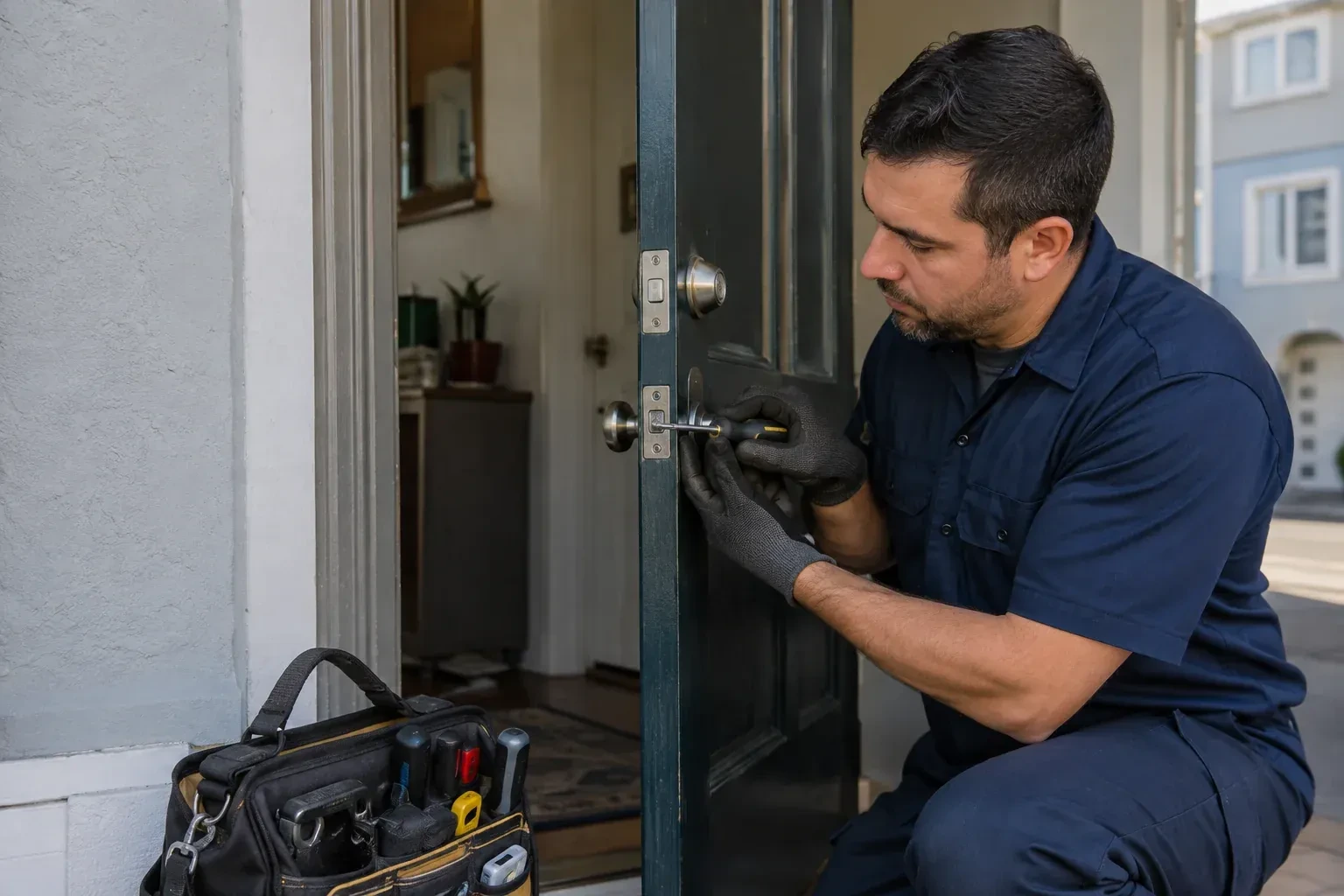
In the van
Security-access module
Bench programming adapter
Emergency insert blade
Fob battery
Diagnostic laptop or tablet
Transponder Key Programming
What affects the quote
Type of key: blade, remote-head or proximity
A basic transponder blade, a remote-head key with buttons, and a push-button proximity key each involve a different amount of pairing beyond the immobilizer chip itself, which affects both the parts involved and the time the visit takes.
Cutting method: by code or by duplication
Cutting from a manufacturer code tends to be more direct than duplicating from a worn or damaged working key, where extra care is needed to read the original cuts accurately before a blank is shaped to match.
Age and availability of the correct blank or chip
Older or less common vehicles sometimes use a blank or chip family that takes longer to source, particularly for a model that has been out of production for some years, which affects how the visit is scheduled.
What to have ready
- Do you have the vehicle permit or registration on hand?
- Do you have photo identification available?
- What is the year, make and model of the vehicle?
Transponder Key Programming: questions
QuestionsCould an aftermarket remote starter interfere with programming a key?
It can, mainly because a remote starter is often wired into the same ignition and immobilizer circuits a new key needs to talk to. The locksmith asks about any aftermarket installation before starting, and if it is involved, checks how it was wired in rather than assuming the factory system is untouched underneath it.
Do I need to bring the car in, or is this done where it's parked?
Programming is done at the vehicle itself, since the equipment connects directly to it. Whether that is a driveway, a parking lot, or wherever the car happens to be, the visit travels to the vehicle rather than the other way around. The one requirement is that the vehicle is present and accessible for the whole visit, since the process reads and writes to its own onboard systems.
What's the difference between a transponder key and a key fob?
The transponder is the passive chip that talks to the immobilizer and lets the engine start; it needs no battery of its own. The fob is the separate, battery-powered piece that handles remote locking, unlocking and alarm functions. Many modern keys combine both in one housing, but they answer two different systems, which is why a fob with a dead battery can still start the car with its mechanical blade.
Related services
- Car Key ReplacementThe key snapped at the head while you were turning it in a stiff, frosty door lock.
- Spare Car Key DuplicationA teenager just passed a driving test and reasonably wants a key of their own rather than negotiating over the family's single copy every time the car is needed.
- Key Fob ProgrammingA fob went missing weeks ago somewhere between a coat pocket and a parking lot, and a spare has covered the gap since.