Car keys · Oakridge Park
Transponder Key Programming in Oakridge Park
Since the remote starter was installed last month, the original key has started acting strangely, the car catches on the first turn some mornings and refuses outright on others.
In plain words
Some vehicles let a locksmith reach the key list directly through the onboard diagnostic port with the right equipment, which keeps a spare or replacement fairly direct. Others, especially newer models, gate that list behind a security session tied to the manufacturer's own network, adding a step before any new key can be written. Knowing in advance which category a vehicle falls into sets realistic expectations for how the visit will unfold, rather than assuming every car behaves the same way under the dash.
How the visit goesIt is a cold morning and the fob has to be pressed twice, sometimes three times, before the doors respond, and one week later it stops answering entirely. The metal key still turns the lock by hand, but the dashboard security light stays lit through the whole drive.
Transponder Key Programming
How the visit goes
Counting the keys that still work
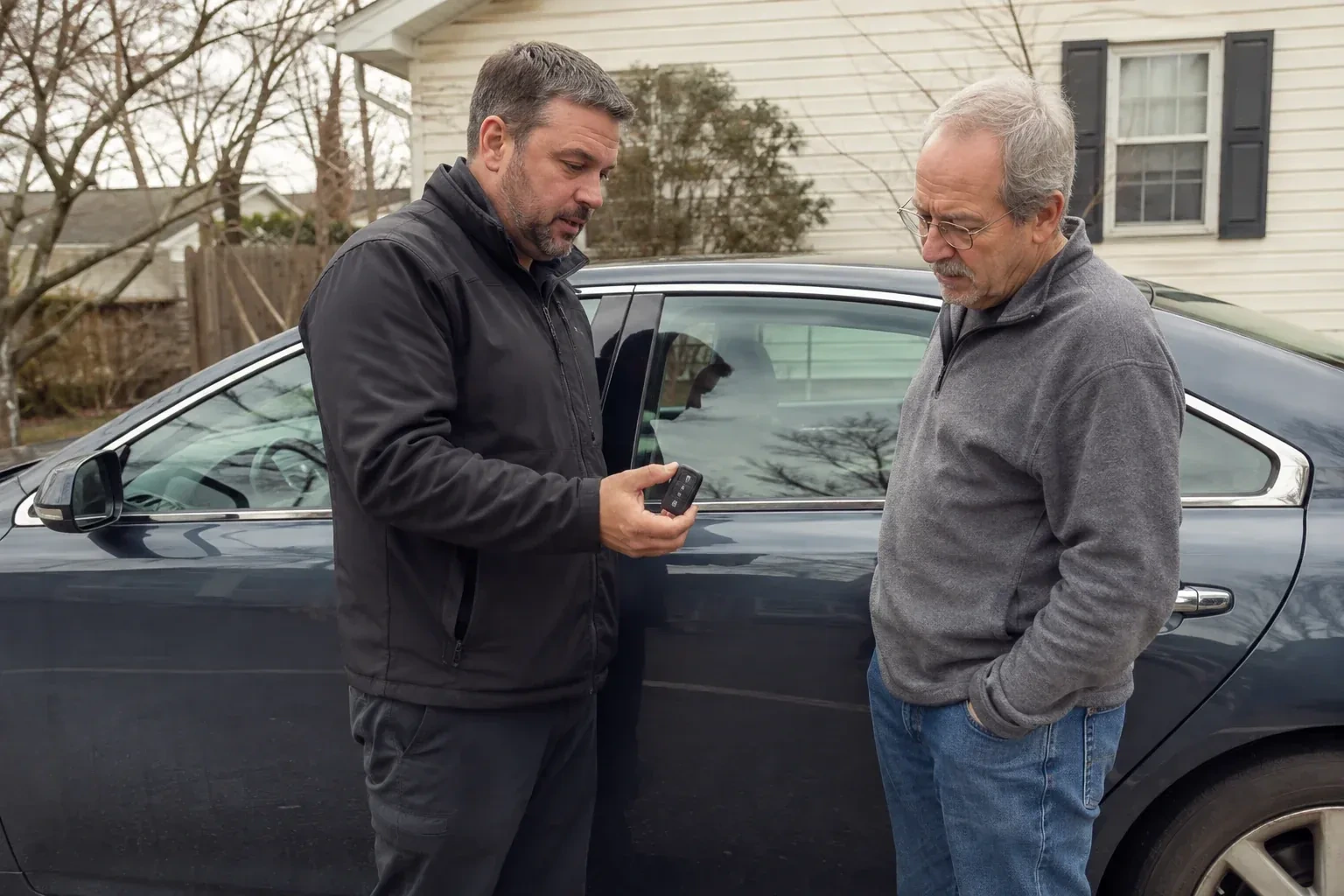
The next question is not about the lock but about the keys: how many currently work, whether one was lost or stolen, and whether every key for the vehicle is genuinely gone. A single missing key changes little beyond adding a spare and clearing its old identity. All keys lost changes the whole visit, since there is nothing left to prove the system already trusts, and the work has to start by re-establishing that trust before a single new key can be written.
Reading the vehicle before writing anything to it
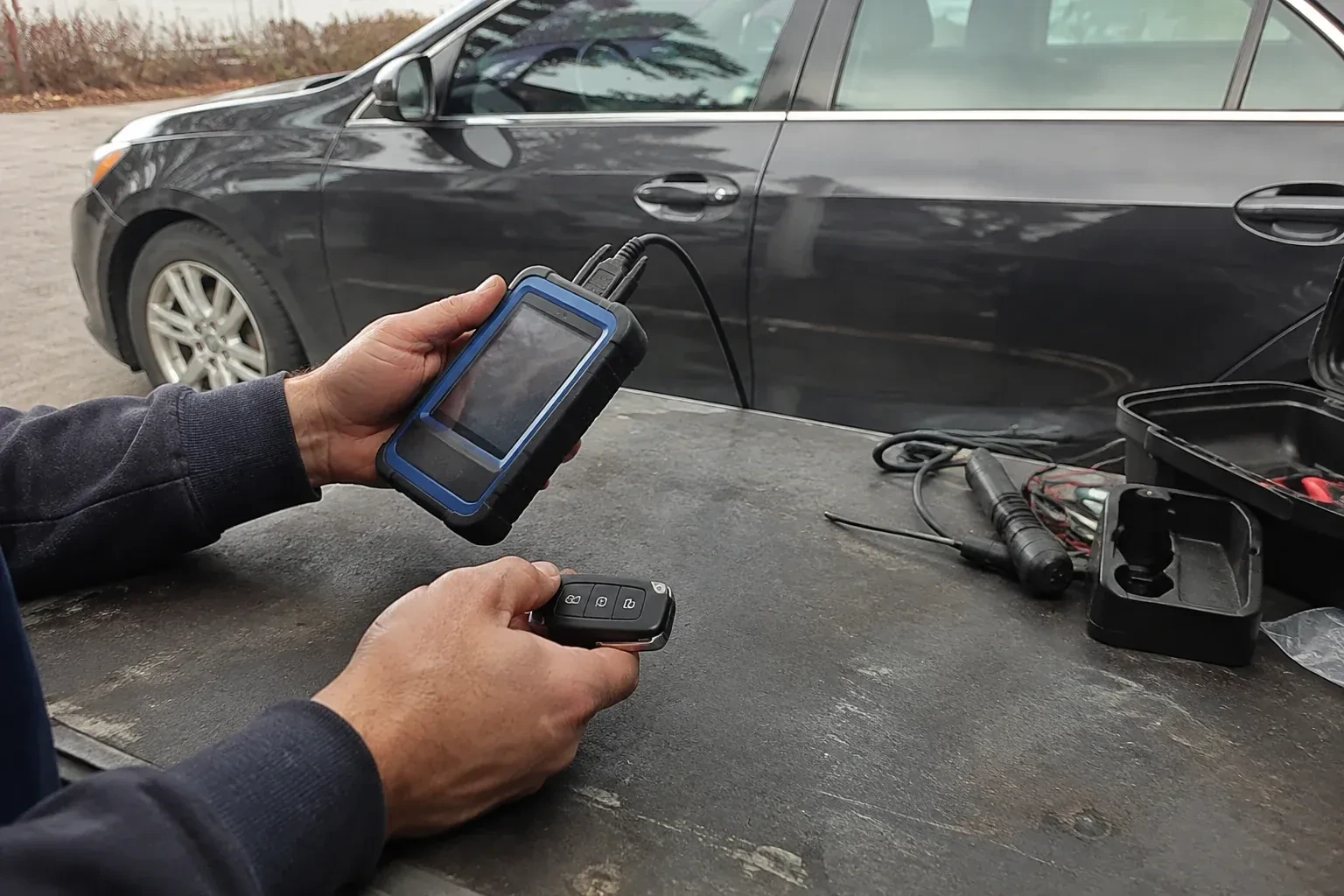
A diagnostic tool connects to the vehicle before any new information goes into it, and the current key list is read first so nothing already stored is disturbed by accident. This step also confirms the exact immobilizer and chip generation in front of the locksmith, since guessing wrong at this stage wastes an attempt on a system that will simply reject it. Only once the vehicle's own data is understood does the visit move toward adding, clearing, or replacing an entry in that list.
Ready for the next cold snap
A fob that survived one winter will not necessarily survive the next one on the same battery, since cold weather is genuinely harder on a battery that was already getting weak. Testing it before the temperature drops, rather than after it has already failed on a frozen morning, catches a fading battery while replacing it is still a small errand rather than an unplanned one. The metal blade inside a proximity fob does not mind the cold at all, which is exactly why it is worth knowing where it is.
Transponder Key Programming
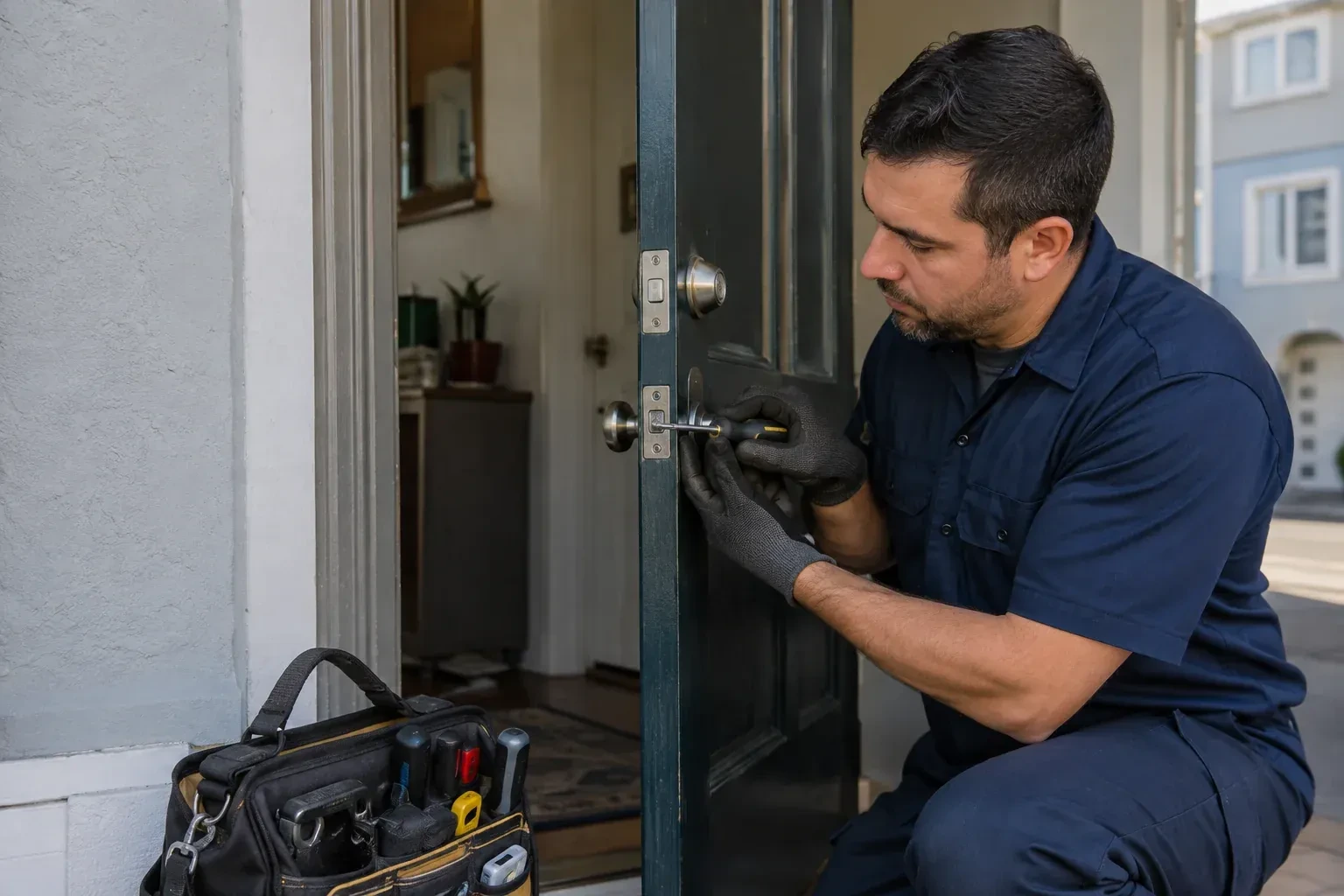
In the van
Security-access module
Bench programming adapter
Emergency insert blade
Fob battery
Diagnostic laptop or tablet
Transponder Key Programming
What affects the quote
Age and availability of the correct blank or chip
Older or less common vehicles sometimes use a blank or chip family that takes longer to source, particularly for a model that has been out of production for some years, which affects how the visit is scheduled.
Fob battery or housing replacement
A fob with a failing battery, cracked buttons, or a worn housing may need that hardware replaced alongside the programming, which is identified during the initial check of the key rather than assumed either way.
Whether any working key remains
Adding a spare or a driver's key with an existing key on hand is a more contained job than an all-keys-lost situation, which needs its own extended process to re-establish trust with the vehicle before anything new can be written.
What to have ready
- How many working keys would you like when this is finished?
- Has an aftermarket alarm or remote starter been installed?
- Is the key a basic blade, a remote-head, or push-button proximity?
Transponder Key Programming: questions
QuestionsCould an aftermarket remote starter interfere with programming a key?
It can, mainly because a remote starter is often wired into the same ignition and immobilizer circuits a new key needs to talk to. The locksmith asks about any aftermarket installation before starting, and if it is involved, checks how it was wired in rather than assuming the factory system is untouched underneath it.
Do I need to bring the car in, or is this done where it's parked?
Programming is done at the vehicle itself, since the equipment connects directly to it. Whether that is a driveway, a parking lot, or wherever the car happens to be, the visit travels to the vehicle rather than the other way around. The one requirement is that the vehicle is present and accessible for the whole visit, since the process reads and writes to its own onboard systems.
What's the difference between a transponder key and a key fob?
The transponder is the passive chip that talks to the immobilizer and lets the engine start; it needs no battery of its own. The fob is the separate, battery-powered piece that handles remote locking, unlocking and alarm functions. Many modern keys combine both in one housing, but they answer two different systems, which is why a fob with a dead battery can still start the car with its mechanical blade.
Related services
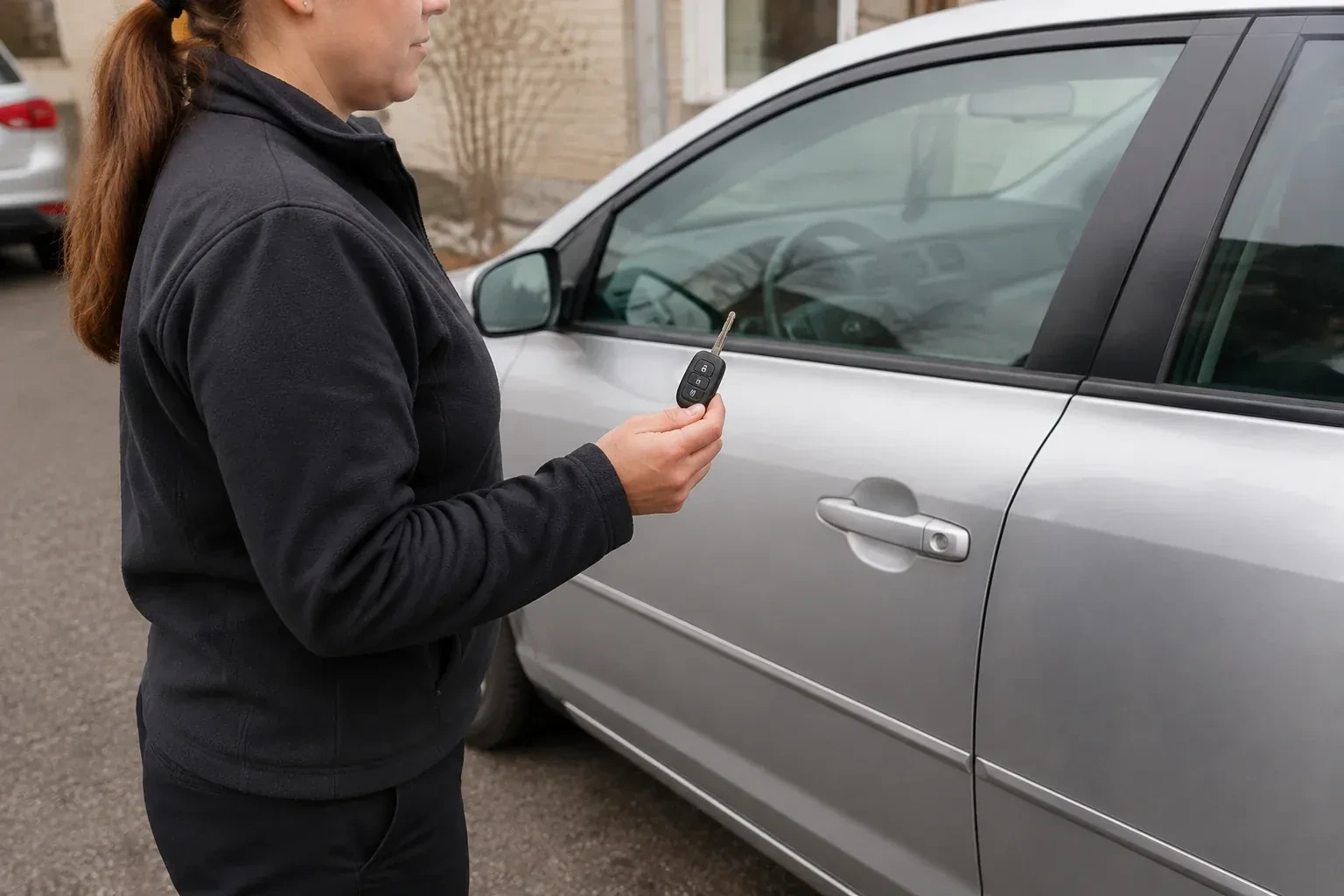
- Car Key ReplacementThe key snapped at the head while you were turning it in a stiff, frosty door lock.
- Spare Car Key DuplicationA teenager just passed a driving test and reasonably wants a key of their own rather than negotiating over the family's single copy every time the car is needed.
- Key Fob ProgrammingA fob went missing weeks ago somewhere between a coat pocket and a parking lot, and a spare has covered the gap since.