Locksmith in Manor Park, OntarioOlder homes.Original locks, still working.
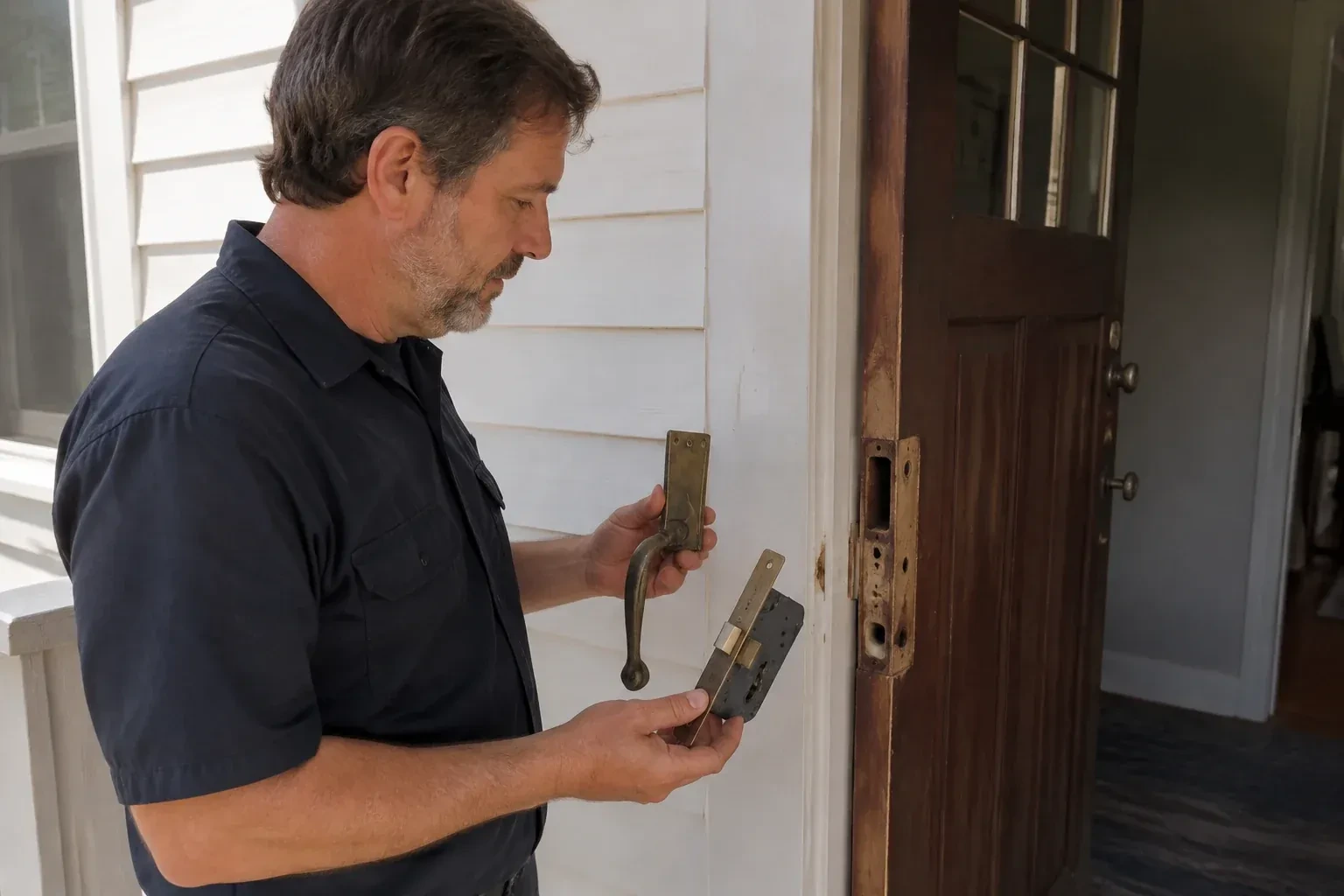
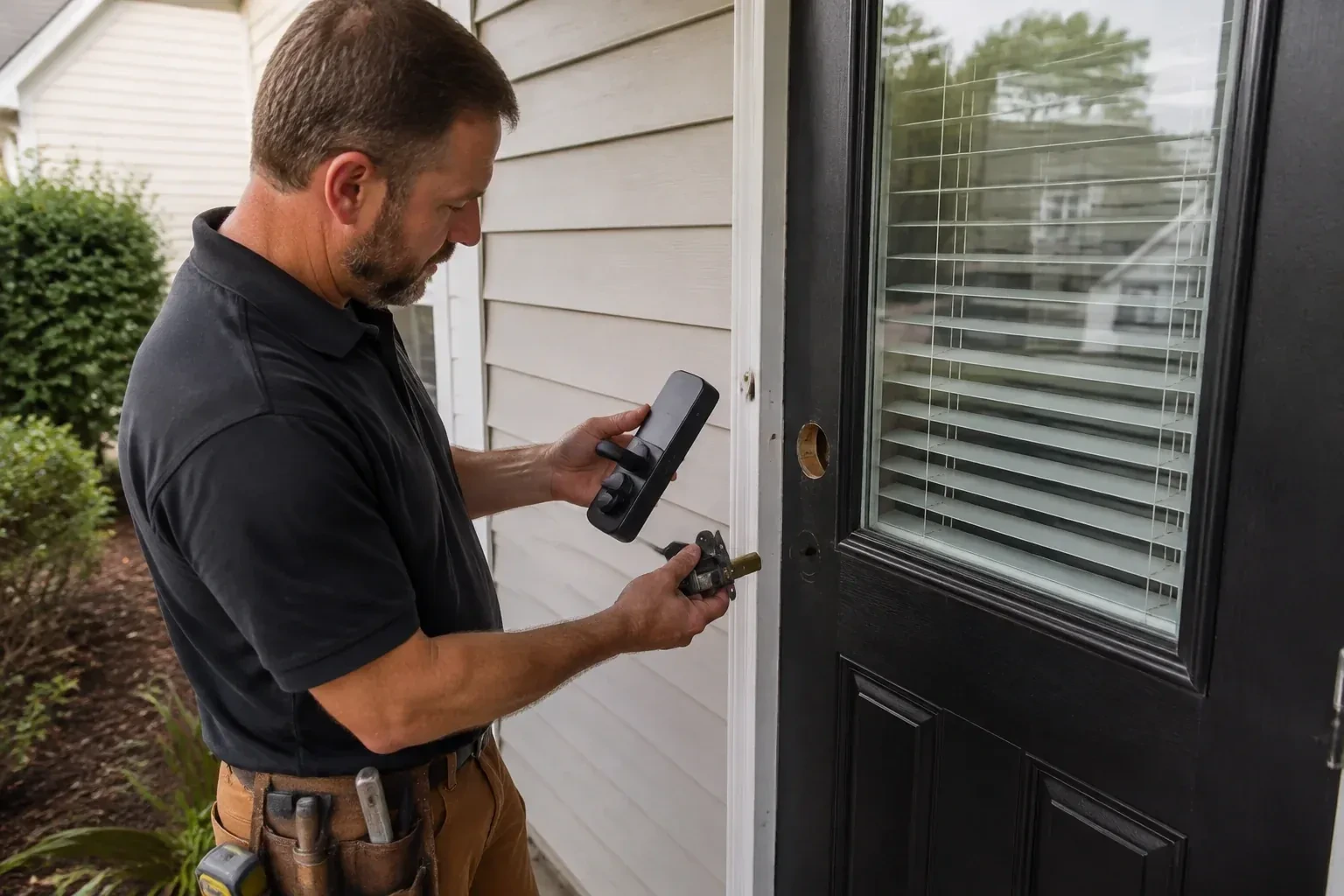
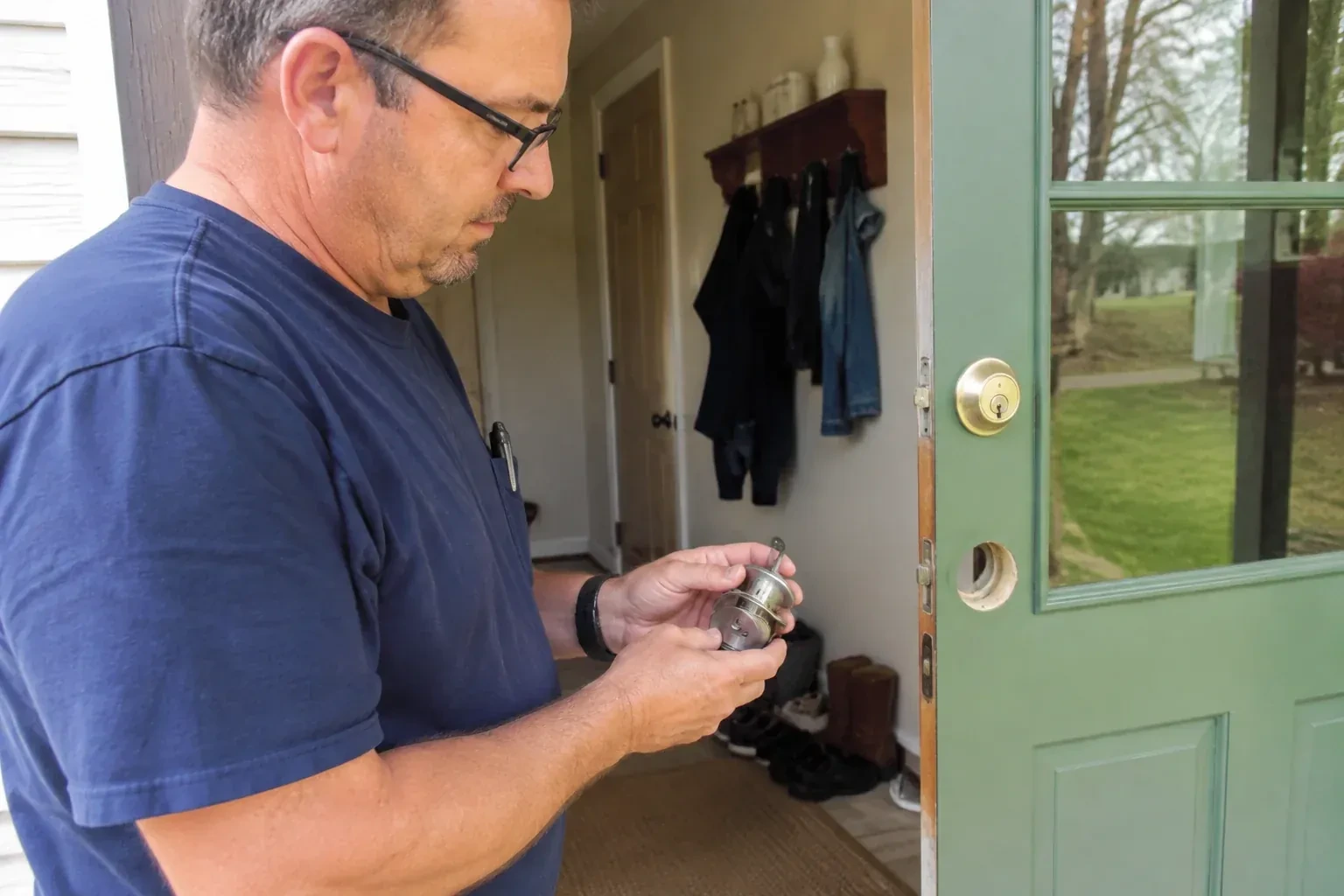
Plenty of houses in Manor Park still carry their first mortise locks and brass knobs, and they are worth keeping. We service that hardware so it turns freely again, find matching parts where they exist, and only suggest replacement when a piece genuinely cannot be brought back. Character stays; the door locks.
Plenty of houses in Manor Park still carry their first mortise locks and brass knobs, and they are worth keeping. We service that hardware so it turns freely again, find matching parts where they exist, and only suggest replacement when a piece genuinely cannot be brought back. Character stays; the door locks.
Locksmithing without the drama.
We plan visits around how people in Manor Park live. A shop wants the work done before opening or after close. A family wants a time when someone is home and the dog is put away. A landlord wants the unit done between tenants. Tell us the window that suits you and we build the day around it, then call when the van is on its way.
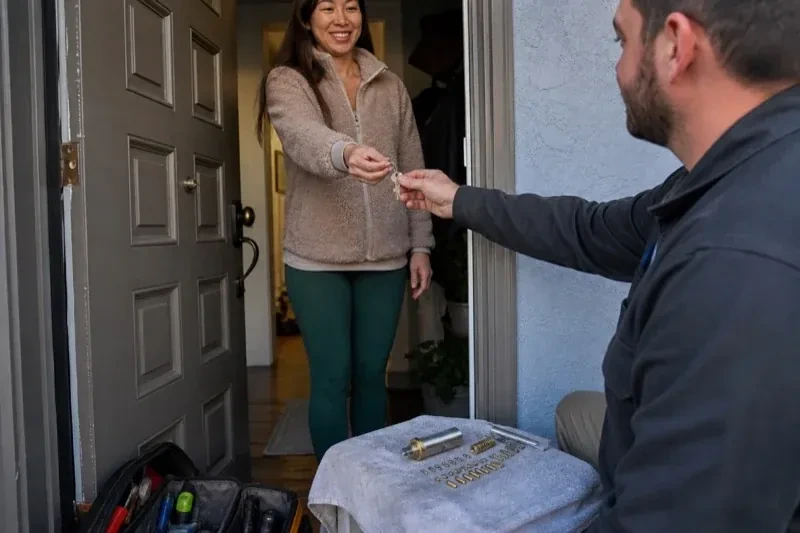
A locksmith should leave you knowing more than when they arrived, and that is how we work in Manor Park. We name the parts in ordinary words, explain what each option does in daily life and answer every question, however small. When we drive away, you should be able to tell a partner or a landlord exactly what was done and why.
33years in business
24/7open every day
Clear about who can get in. After any rekey or replacement we tell you exactly which keys work and how many copies exist. Key control is the point, and you should have the full picture.
Careful with the building. We protect floors and finishes, work around your day where we can, and treat a shop or office with the same care as a home.
The choice explained in your terms. Rather than product names, we talk about what each option means for you: who has access, how it copes with weather, how easy it is to change later.
A locksmith's week in Manor Park is a mix of small fixes and bigger decisions. A cylinder rekeyed after a lost key, a deadbolt added to a door that never had one, a shop rekeyed after staff changes, a safe that finally opens. The pages below describe each service and how the visit usually goes.
About 52% of homes in London were built in 1980 or earlier, according to the 2021 Census.
Older homes
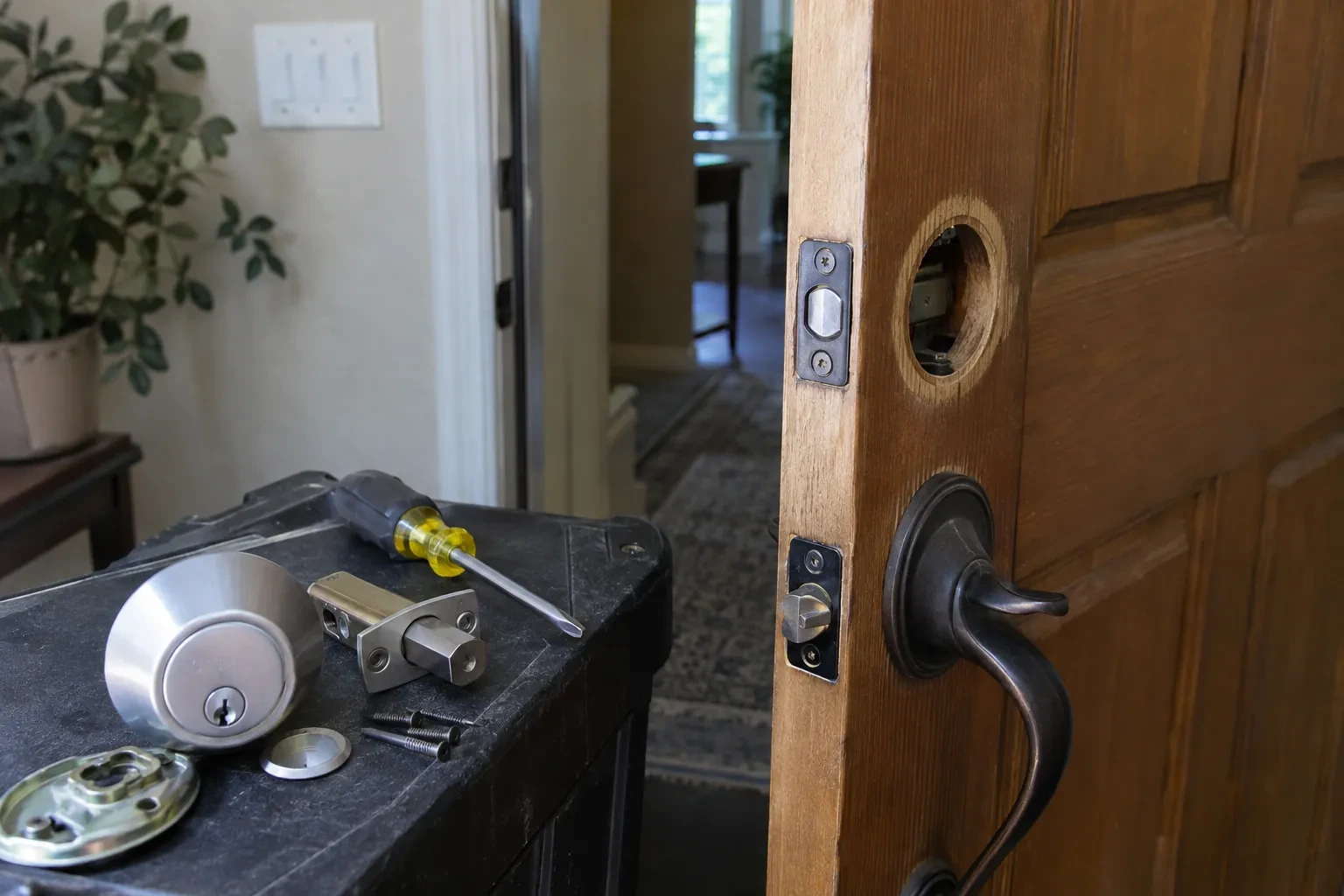
Where housing is mostly older, many entries still have only a knob lock and no deadbolt at all. Adding one is a straightforward job on a solid wood door, and it is the single upgrade that changes most for a house of this kind.
Single-detached houses make up about 49% of homes in London (2021 Census).
Where housing is mixed, the same street can hold a solid wood front door, a steel townhouse door and a metal-clad suite door. A locksmith fits each with hardware suited to its construction, so every neighbour ends up with a door that locks properly.
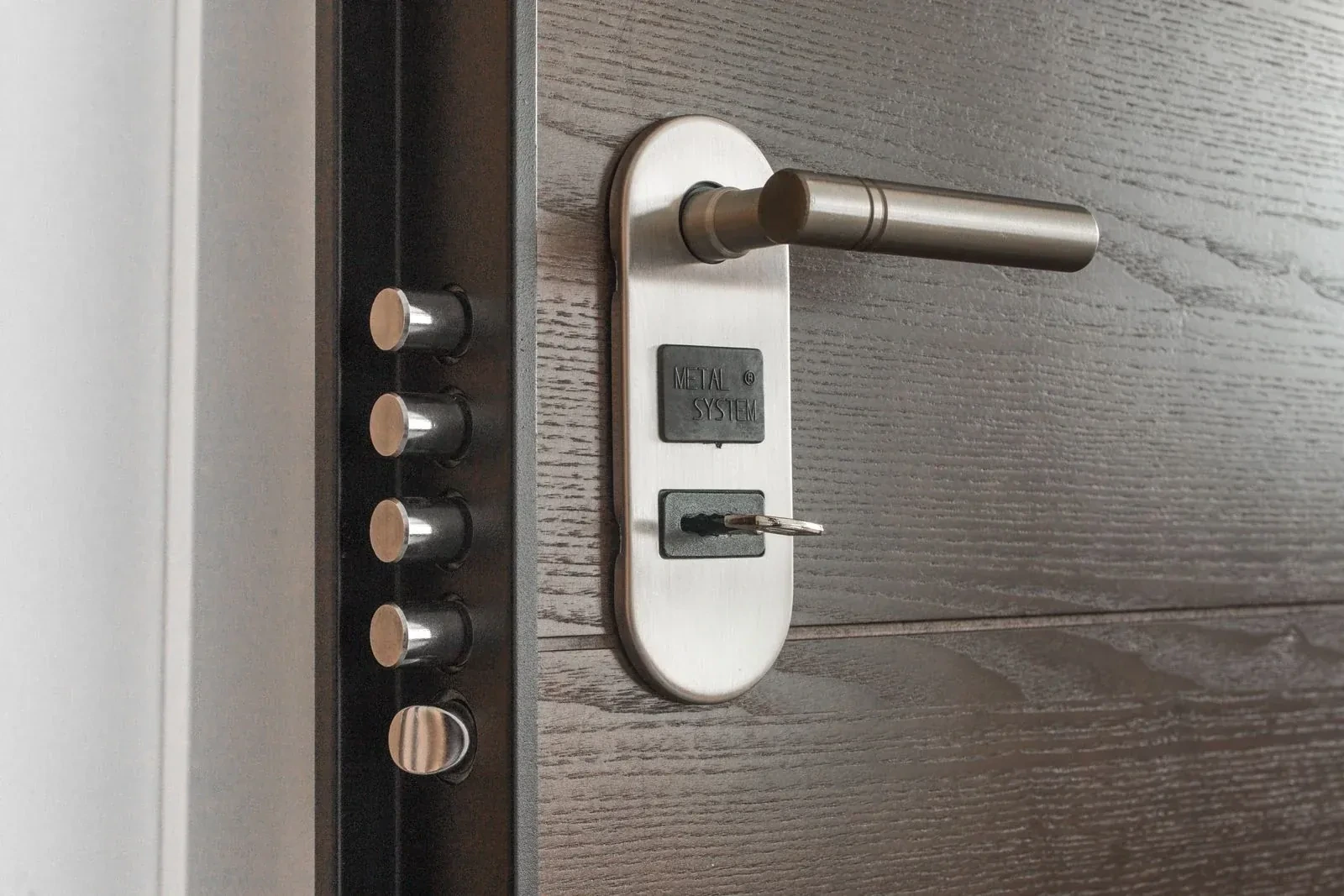
Homeowners often come to high security after a scare, whether their own or a neighbour's. The advice is the same either way: start with the strike and the bolt, add a cylinder that resists the common tricks, and take control of who can copy the key.
You have lost count of how many people have had a key to your house over the years: cleaners, a contractor, a former partner, the previous owner's family.
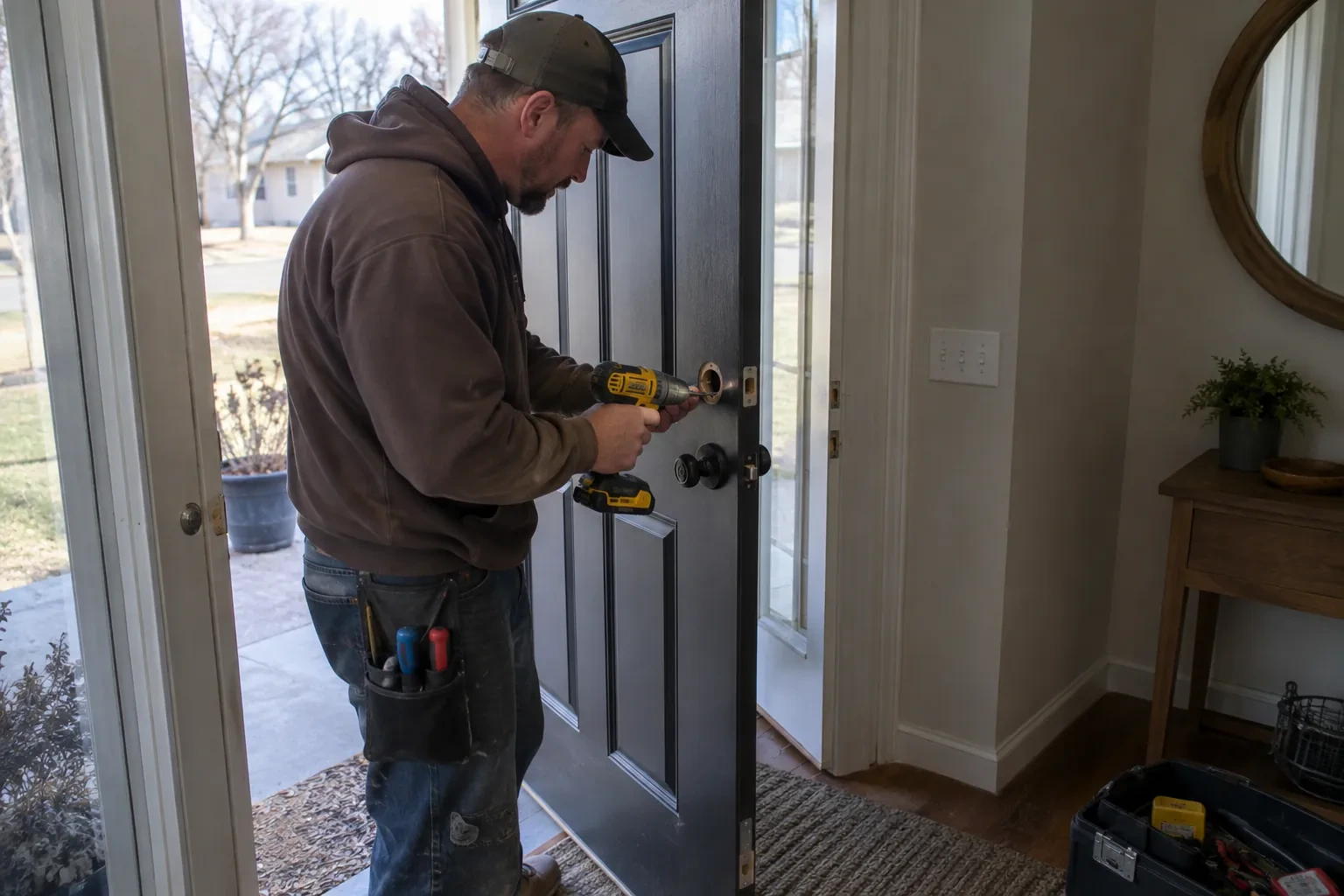
The house is fifteen years old and every exterior door still wears the light hardware the builder fitted: a short bolt, a thin strike held by two small screws, and a knob lock that never suited a street entrance.
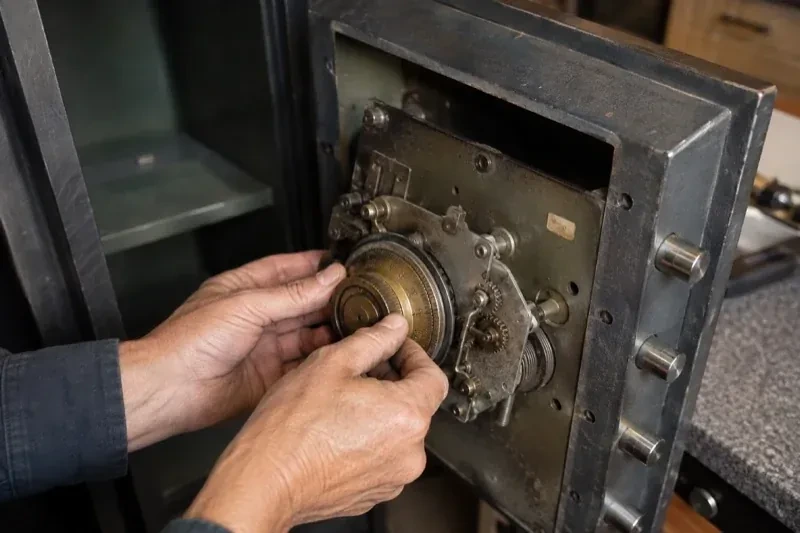
A homeowner inherited a heavy old dial safe from a parent's house, moved it into the new place, and has no idea whether the bolt-work still works, whether the lock is sound, or how it should be anchored.
Which fix fits?
In the parking lot your car key snapped in the driver's door.
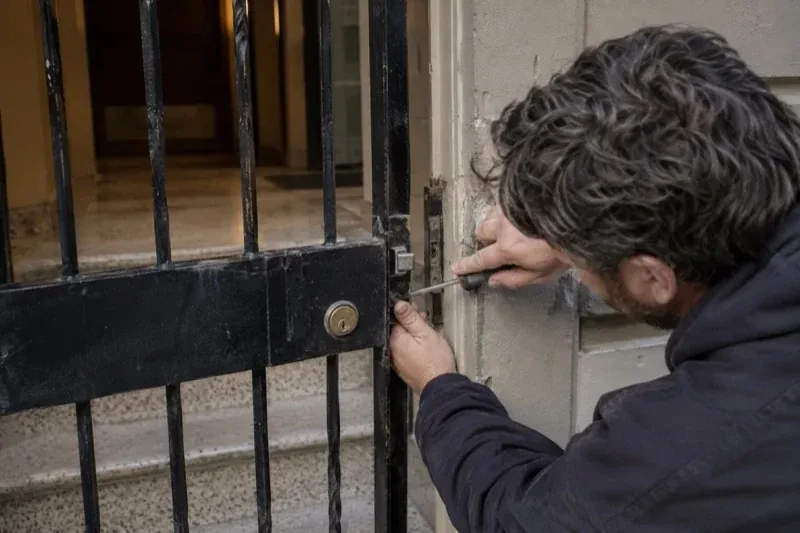
WhyA gate or door that will not latch is rarely just a lock problem; more often the hardware is being asked to catch a moving target.
You've just moved in, and the mailbox compartment in the lobby came with a single key the previous owner mailed back separately, or never handed over at all.
WhyWhen a key's blade has thinned or its buttons have gone soft with age, waiting for it to fail outright is the harder plan to manage.
Good days. Start with a turn.
1/9Broken Key Extraction
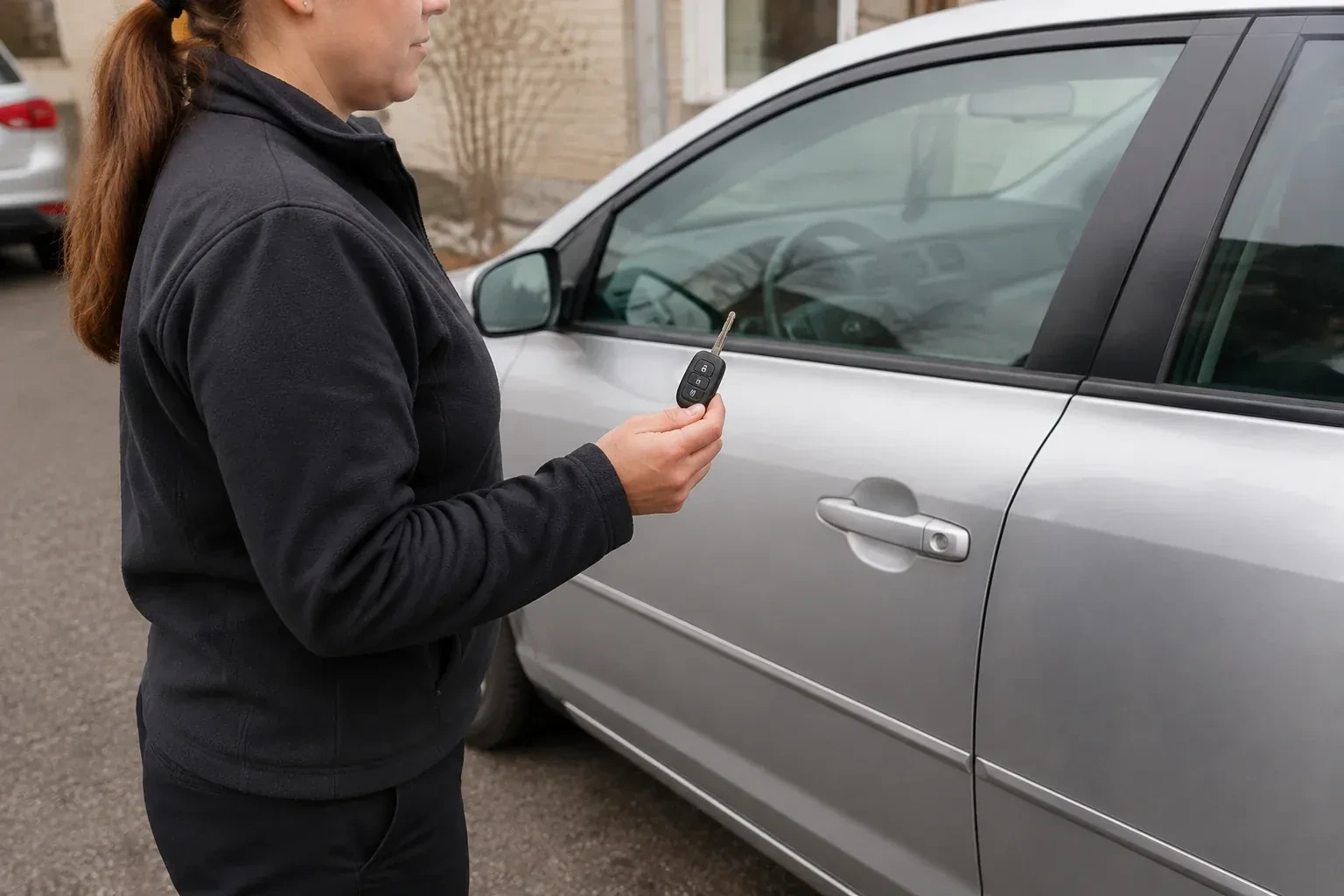
In the parking lot your car key snapped in the driver's door. You are holding the plastic head with the buttons on it, the metal blade is inside the lock, and the spare is on a hook at home.
The patio slider is sitting crooked on its track. Its latch is snapped, the frame is bowed where it was pried, and the panel no longer meets the jamb, so the house cannot be closed up for the night.
Every copy of your house key seems to work a little differently. One needs a jiggle, another sticks halfway, and the original wore down years ago. The lock itself is fine; the keys have drifted so far from each other that none fits cleanly.
A neighbour mentions, in passing, that the key from three tenants ago still lets him into the building's front door. Nobody changed it after he moved out, and now the property manager wants to know exactly how many keys are still floating around out there.
You've just moved in, and the mailbox compartment in the lobby came with a single key the previous owner mailed back separately, or never handed over at all. As far as anyone can tell, the lock still answers to a stranger's key.
Two people left over the summer and the keys they handed back came up one short. Nobody is sure whether the missing key was for the front door, the stockroom or both, and the sign-out sheet stopped being filled in a year ago.
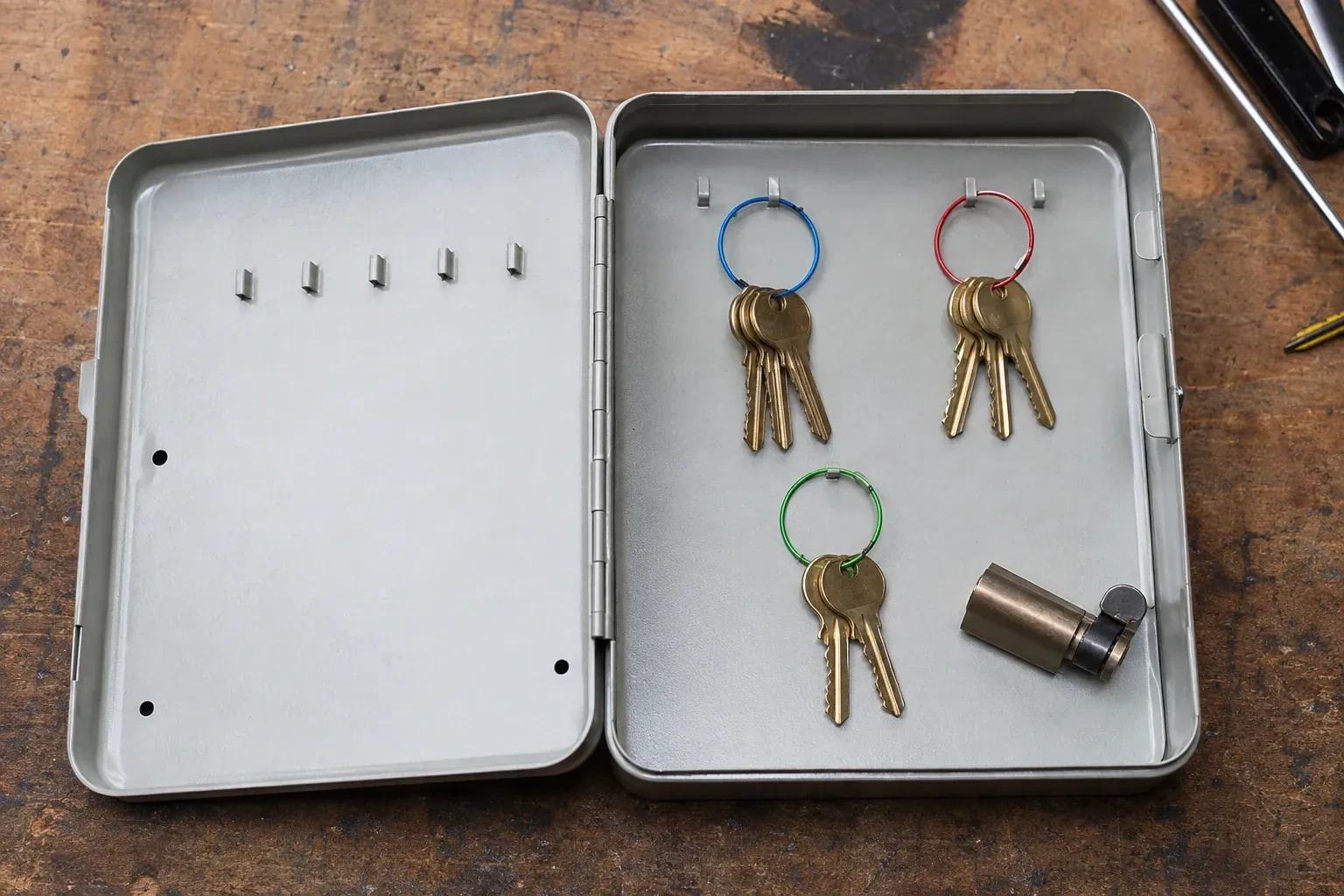
A property manager taking over a small commercial building inherits a shoebox of keys with no labels and no chart. Some open the mechanical room, some open vacant units, and a few do not seem to match anything currently on the property at all.
After fifteen years the blade has worn to a smooth sliver. It needs a jiggle in the ignition most mornings, this week it took three tries, and a copy cut from that same worn key would only carry the wear forward.
The blade on the everyday key has gone shiny and thin along one edge, and lately it needs a wiggle before the ignition catches. Nobody wants to be holding a failing original with nothing waiting in reserve if it finally gives out.
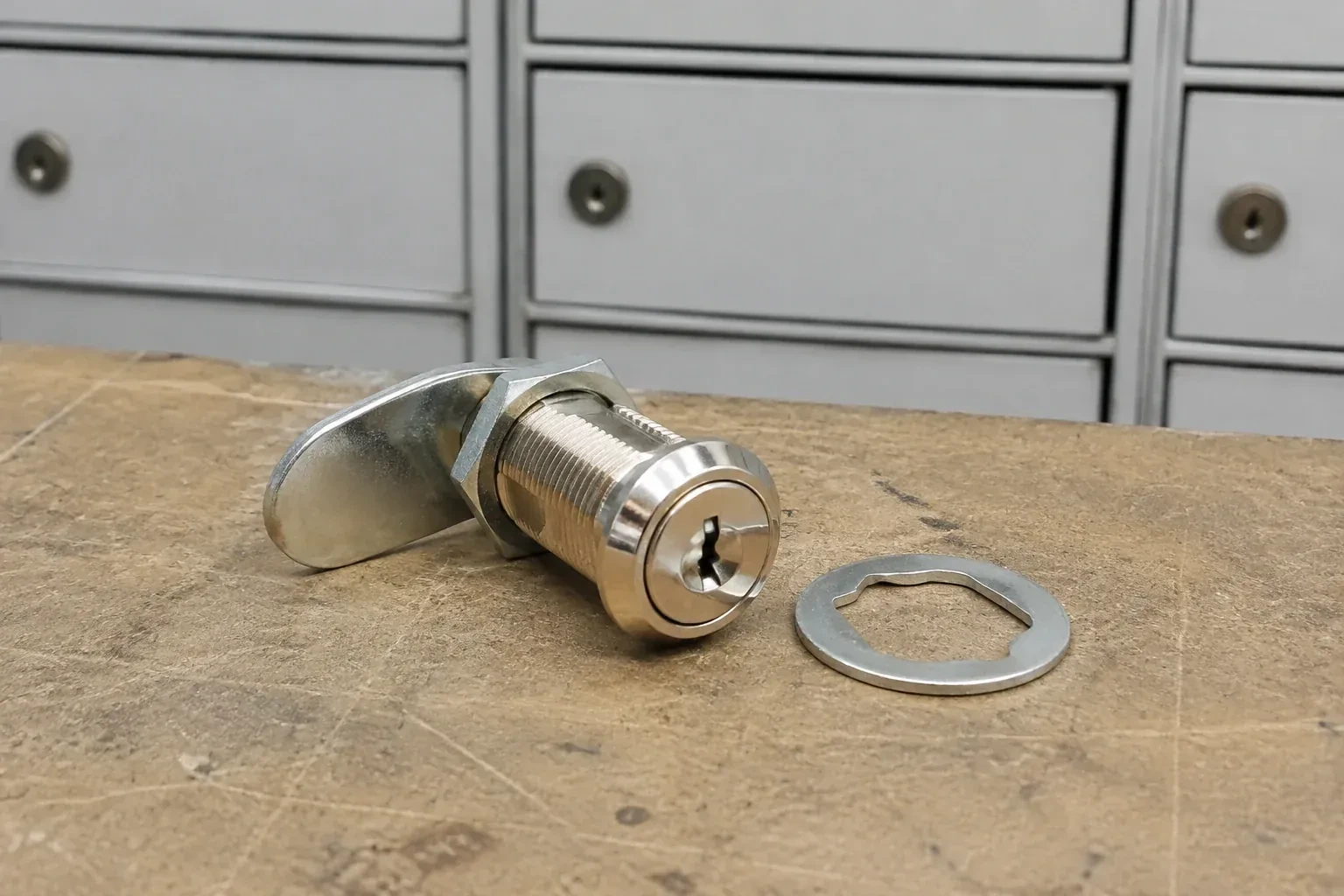
Can you extract a key from a padlock, mailbox or filing cabinet?
Yes. Small cylinders in padlocks, mailboxes, desk drawers, filing cabinets and cam locks on lockers hold a fragment the same way a door does, and the same slim hooks and spirals fit them. Their keyways are narrower, so it is finer work. Where a padlock is not worth saving, the locksmith will say so and offer a cut-off and a new padlock keyed to your preference instead.
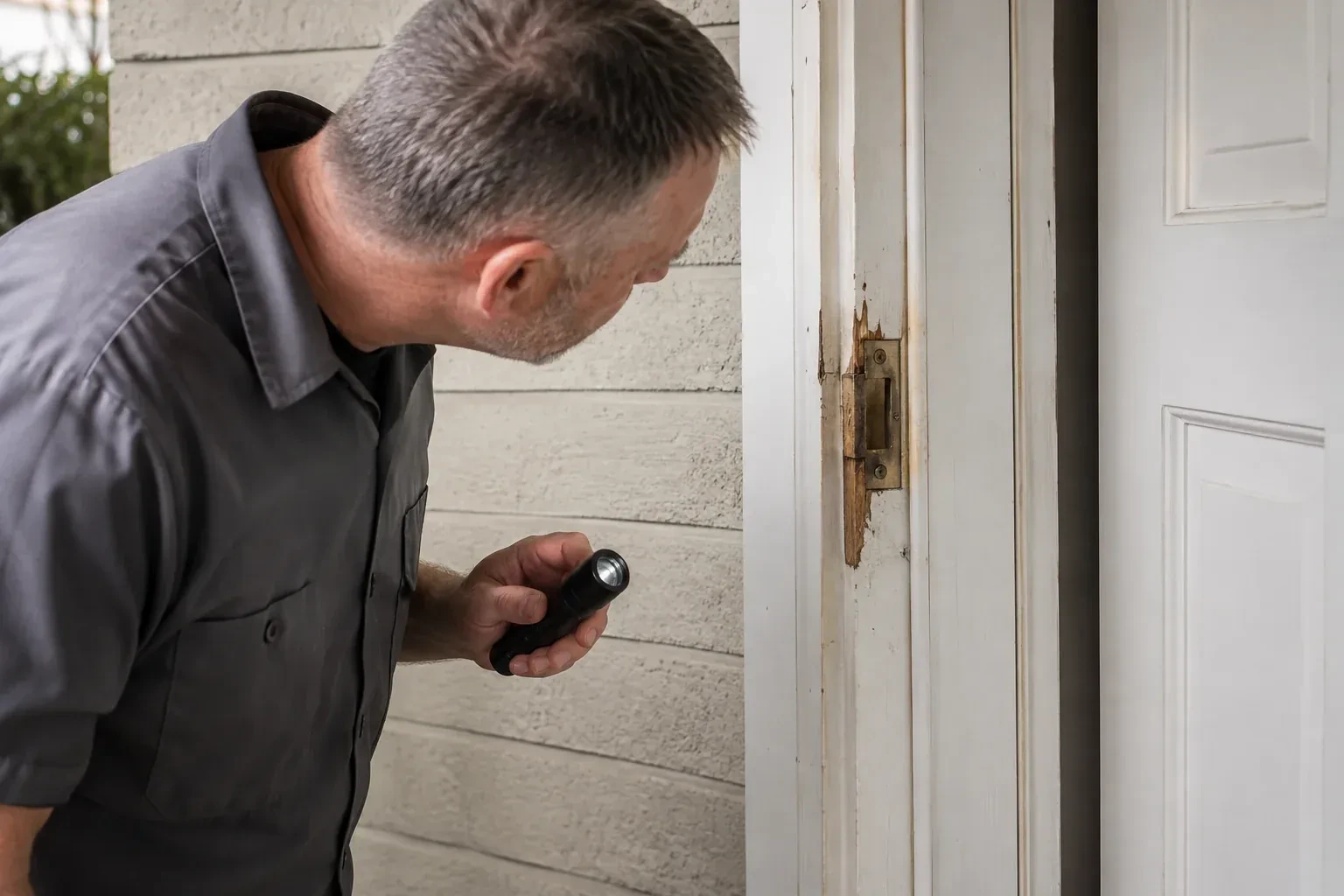
Can a split jamb be repaired, or does it need replacing?
Many can be repaired. A split along the grain is pressed back together, glued with a two-part wood epoxy and held by a steel repair plate or a boxed strike screwed through it into the stud, so the fasteners reinforce the repair as well as the lock. Missing wood is built up with filler or a fitted piece. A jamb that has pulled off the framing along its length or shattered around the pocket is replaced by a carpenter, with the opening secured until then.
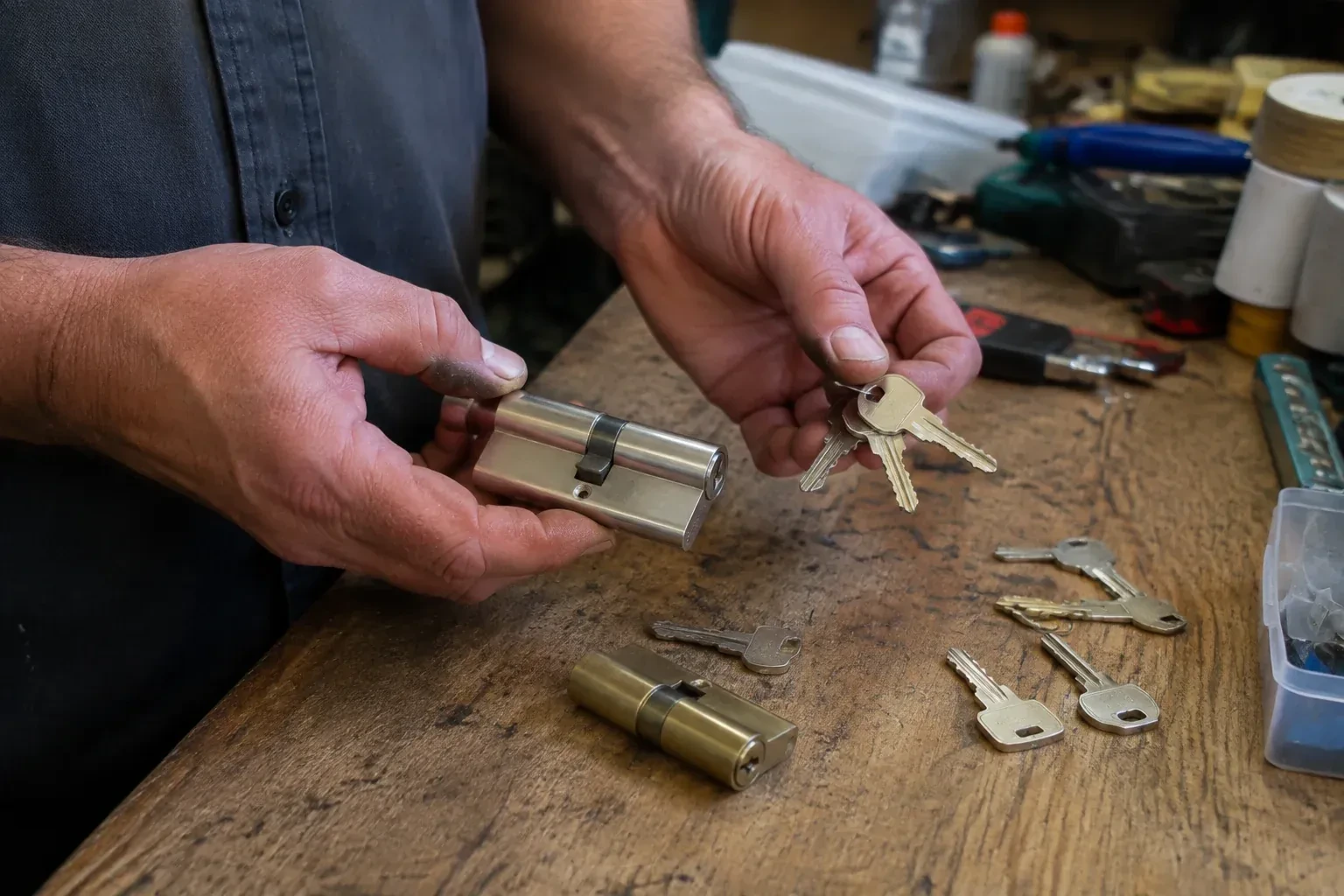
What exactly does rekeying a lock change?
What changes depends on the cylinder. Many locks turn when a row of small bottom pins lines up at a precise level, set by the cuts on your key, and during a rekey the locksmith tips those pins out and loads a set that lines up with a different key, cut new for you; some residential cylinders instead reset a side-locking bar without removing any pins. From then on the new key operates the lock and older keys do not, and the hardware on the door stays as it was.
Should every gate on my property share one key, or is it better to keep them separate?
Either can make sense, and the choice usually comes down to who uses which gate and how often. A household that walks through the front and side gates daily generally prefers one key for both, while a gate that only a landscaper or utility worker uses is sometimes kept on its own key deliberately, so lending it out does not hand over access to everything else. The locksmith can lay out both options once every gate on the property has been looked at.
Is it common for a previous owner or tenant to keep a mailbox key?
It happens more often than people expect, especially in a building where compartments changed hands with a single set of keys and no clear record of who returned what. Replacing the lock rather than simply asking around settles it, since a new cylinder makes any key still out there, regardless of who holds it, stop working.
What do you do with the old keys?
They are gathered, tested at each rekeyed door to confirm they no longer work, and then cut through so they can never be used or copied. You can keep the pieces or the locksmith takes them away. Any old key that still operates a door you chose to leave unchanged is handed back and noted on the chart, so it is clear which keys remain live and which are scrap.
Should I keep spare blanks or unpinned cylinders on hand?
It depends on how the keyway is controlled. With a restricted system, spare blanks are typically held by the locksmith against the authorized record rather than stored loosely on site, since that is what keeps duplication contained. With a standard keyway, keeping a few spare cylinders of the same platform can simplify a later addition, though it is not required.
Can a key be made for an older car with no chip?
Yes, for a vehicle that genuinely has no immobilizer, checked by VIN and equipment rather than assumed from age, since several early-2000s vehicles already shipped with a factory immobilizer and coded key. Where that is the case, it is the simplest key work there is: a blade cut to the factory code from the VIN or to a reading of the door lock, rather than copied from a worn original. If the ignition has become sloppy, the locksmith can rebuild it in the same visit.
Is there a reason to make a spare now rather than waiting until the original is lost?
The whole process depends on having a working key to read or trace from, so making the spare while that key still exists is simpler than the alternative of proving ownership without any key present and building access from scratch. A spare made now also means a future lost key is solved by reaching for the second one already tested and waiting, rather than starting the whole process from nothing.
Request a visit
We plan visits around how people in Manor Park live. A shop wants the work done before opening or after close. A family wants a time when someone is home and the dog is put away. A landlord wants the unit done between tenants. Tell us the window that suits you and we build the day around it, then call when the van is on its way.