Locksmith in London, OntarioChange the locks,keep the peace of mind
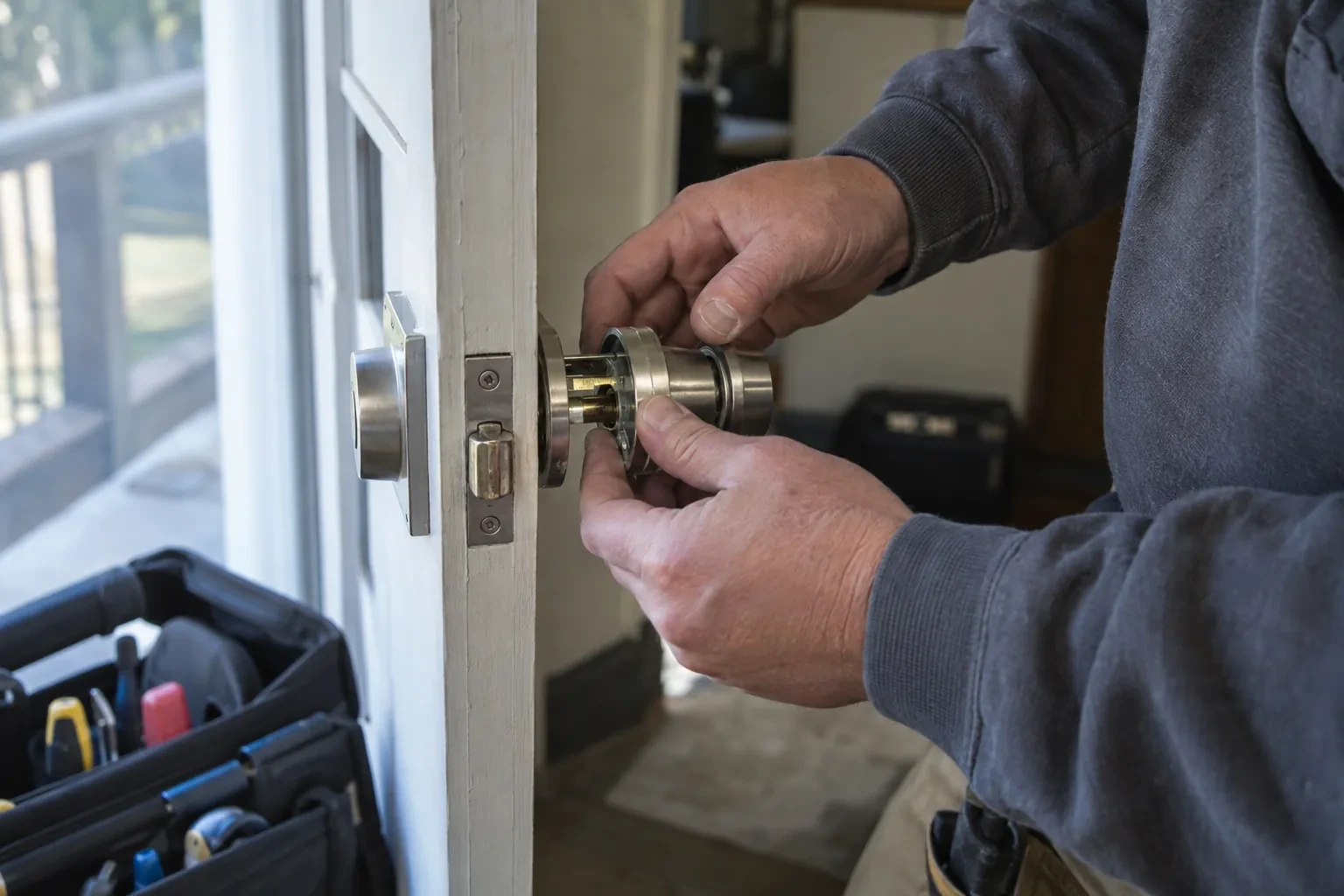
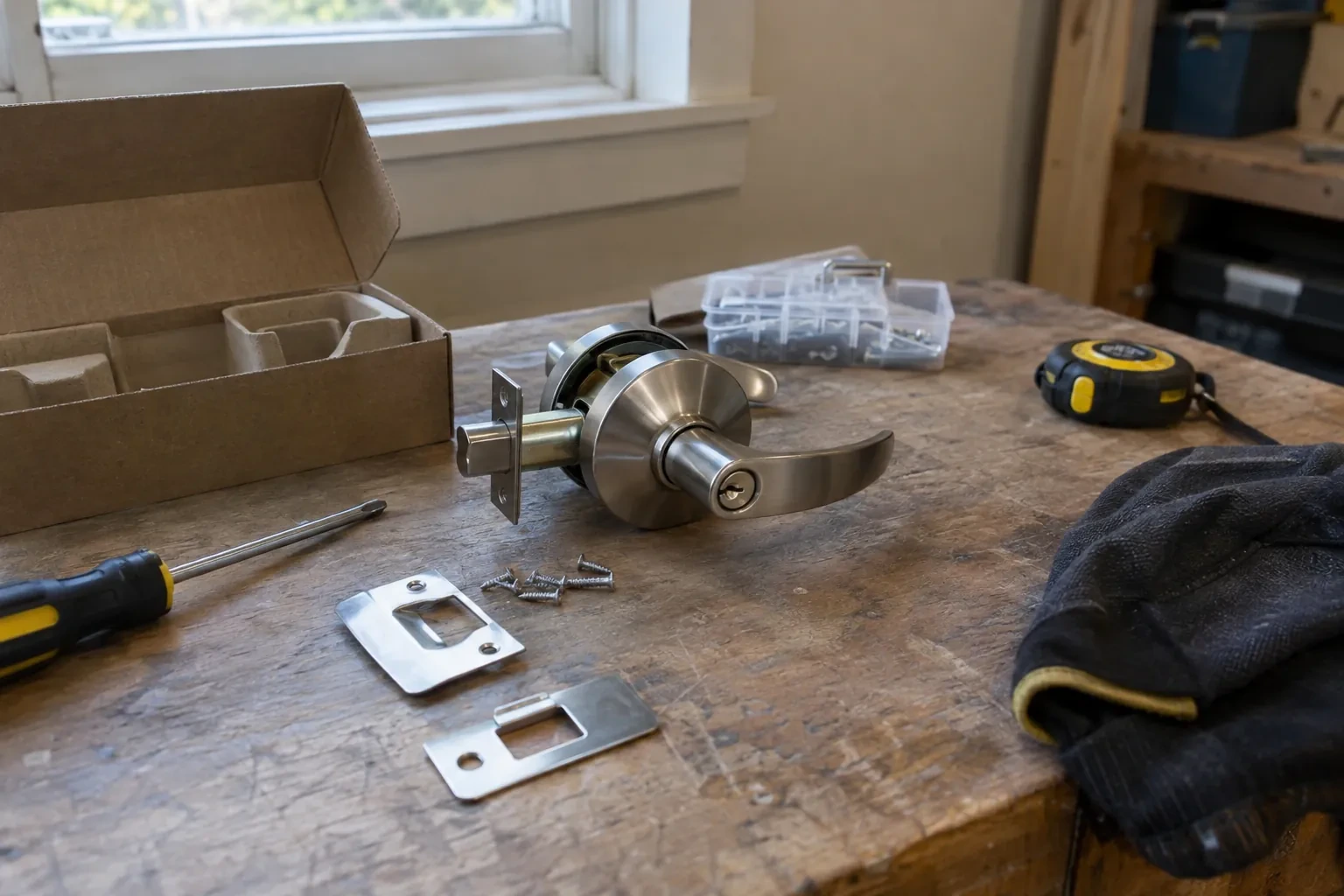
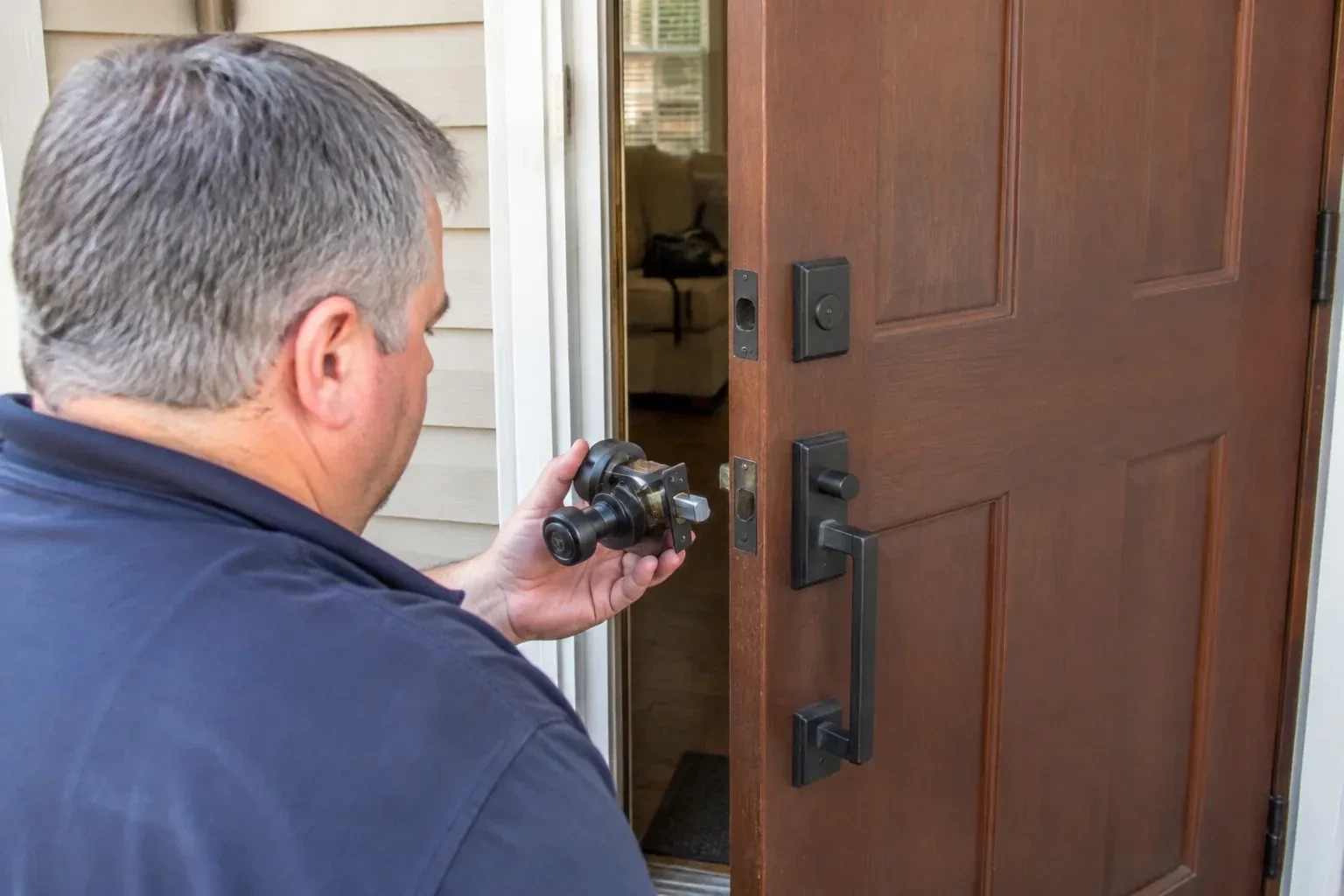
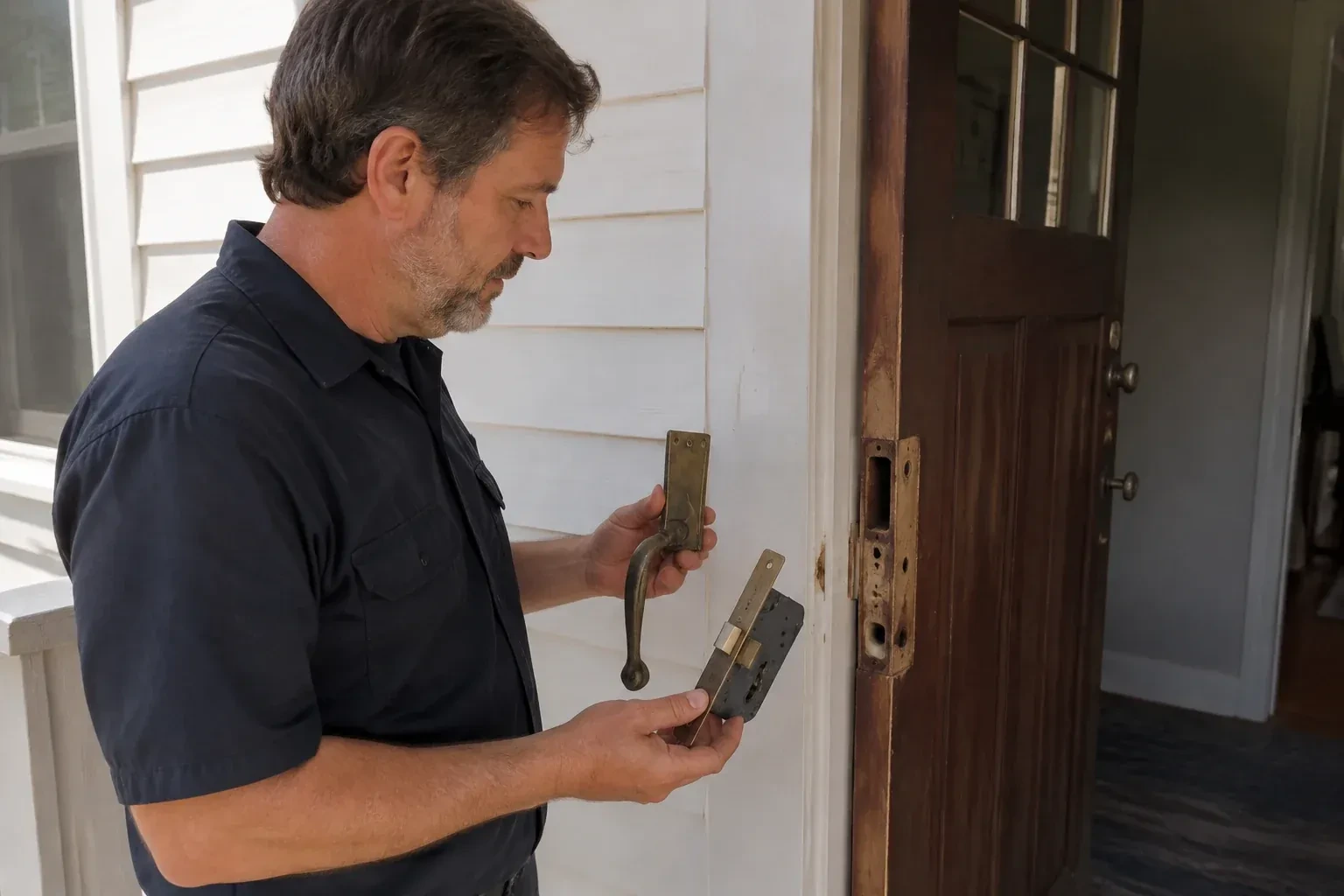
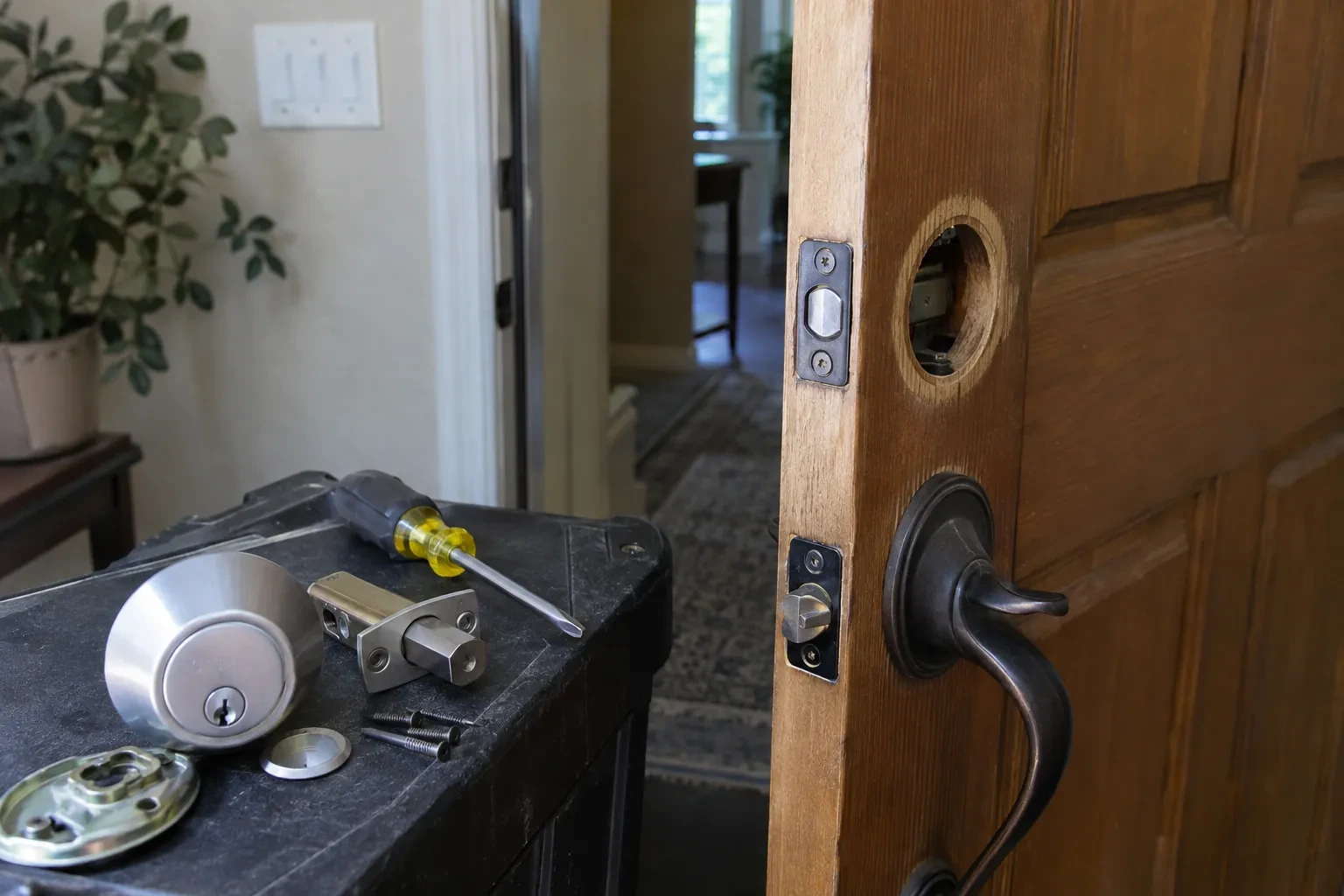
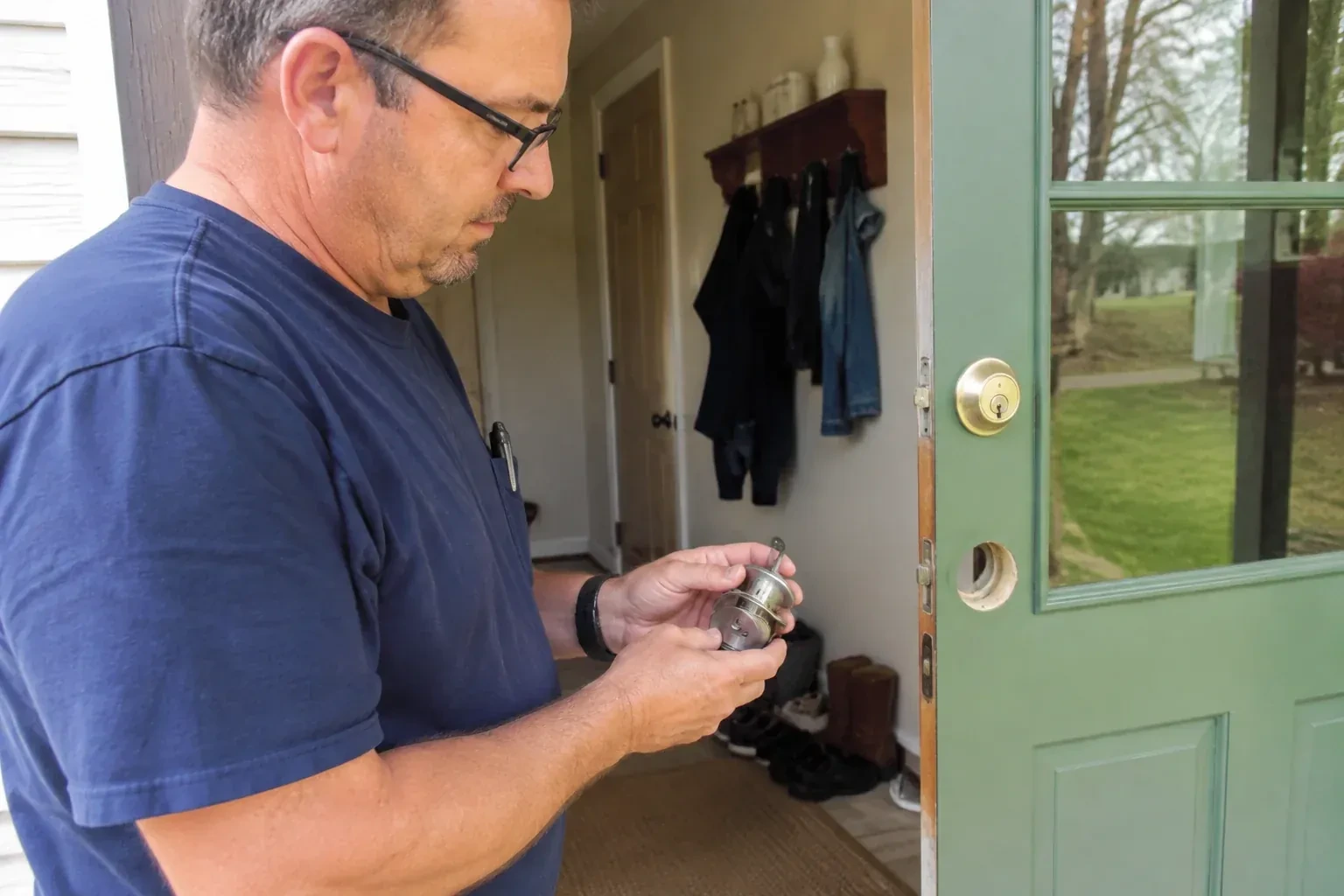
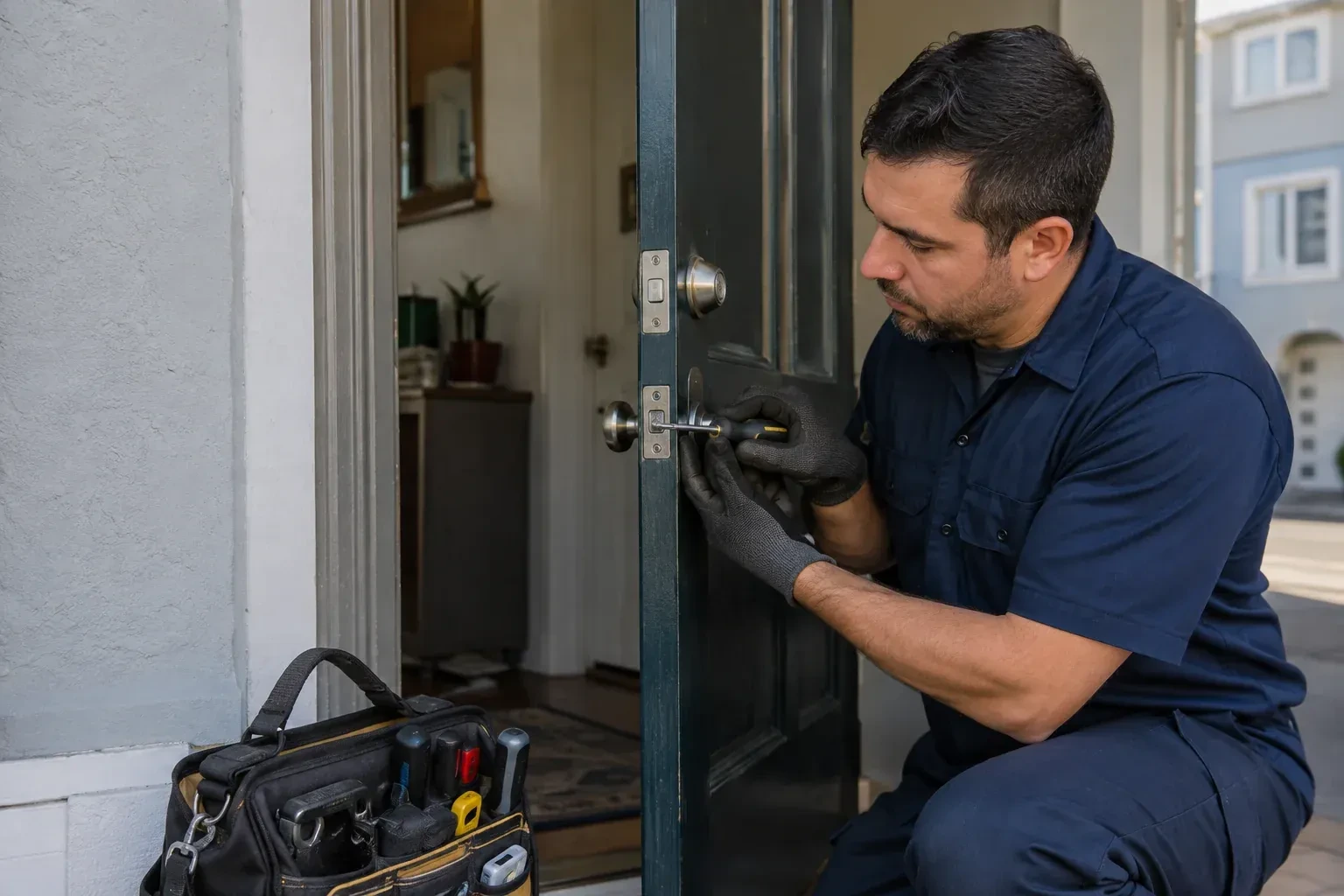
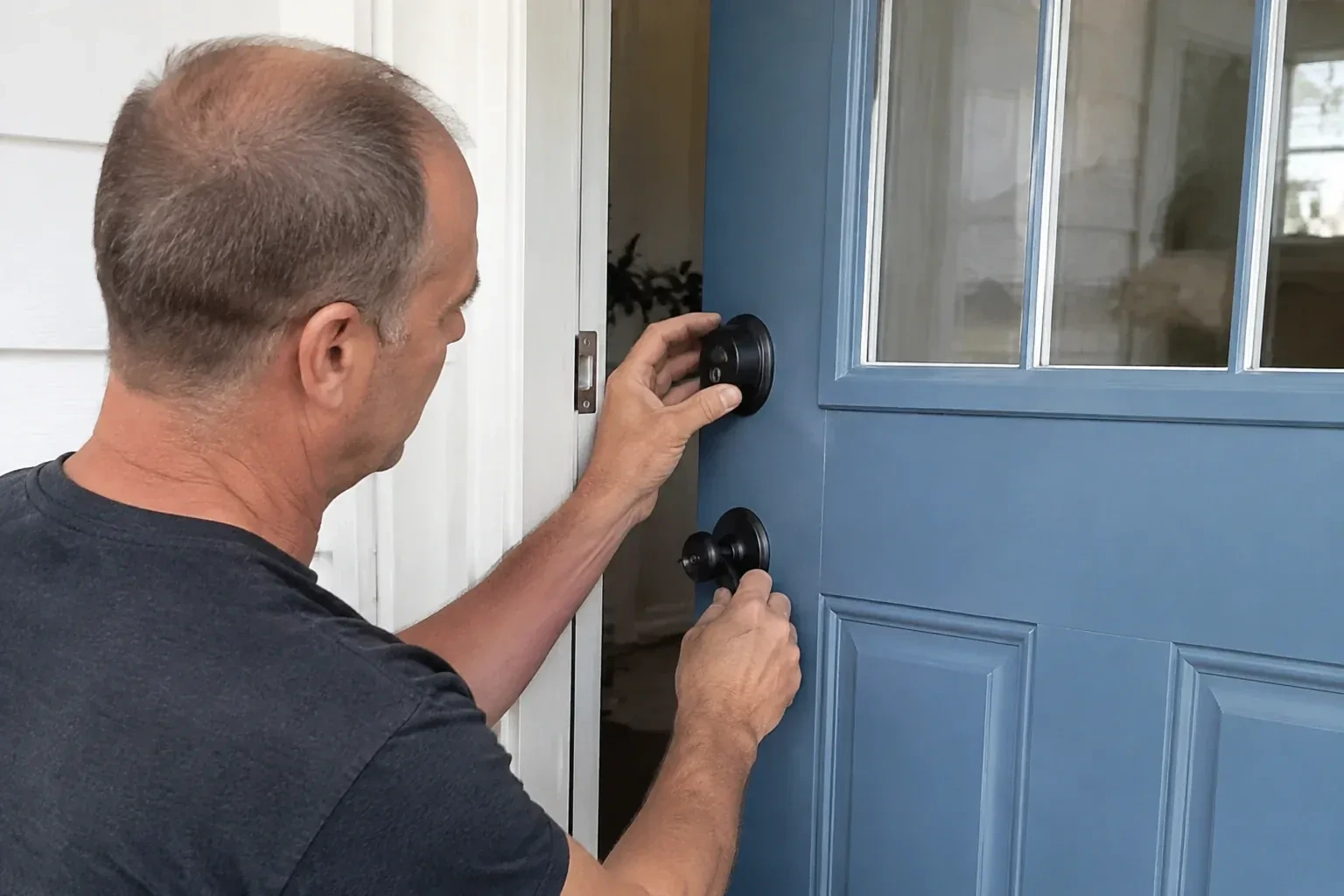
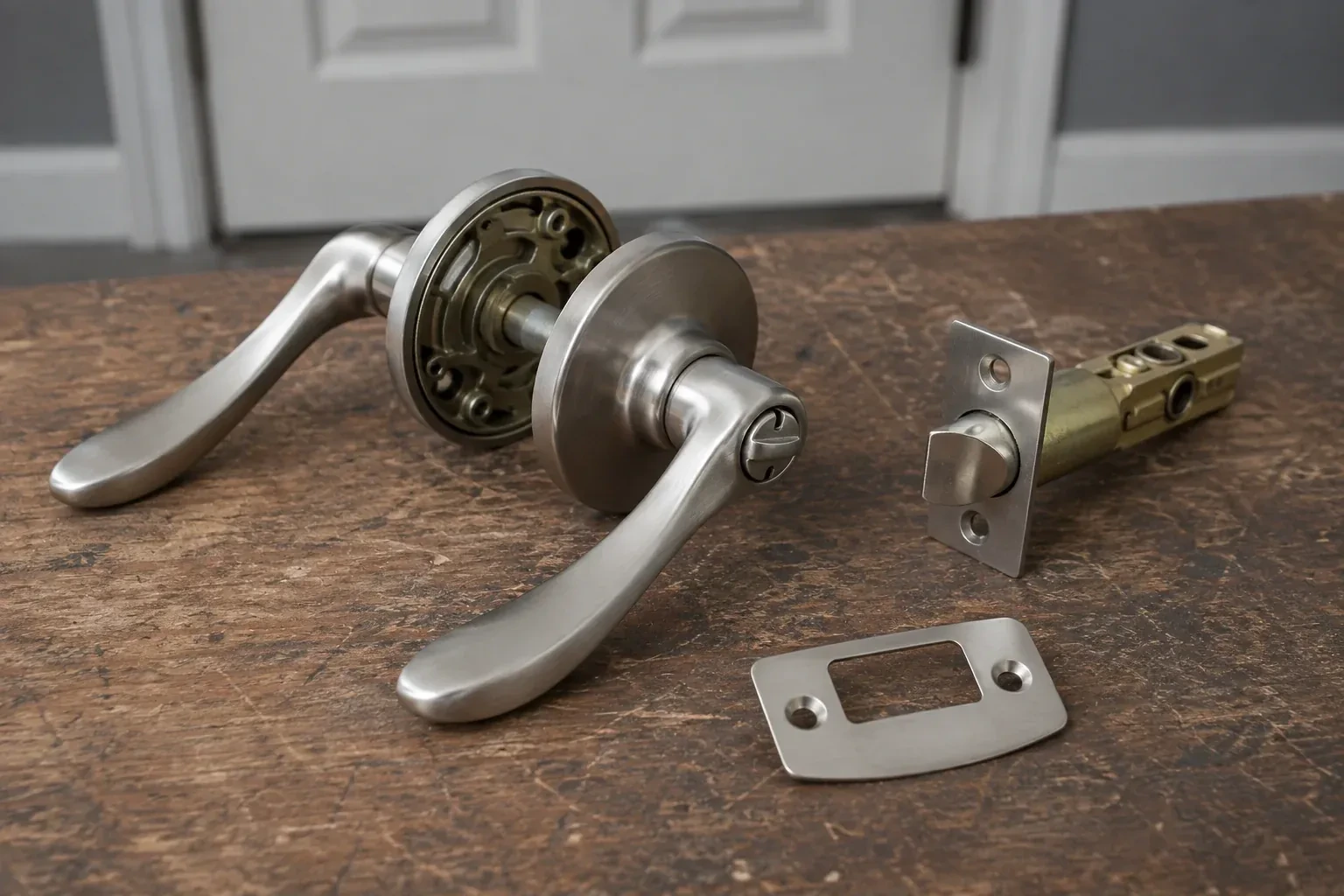
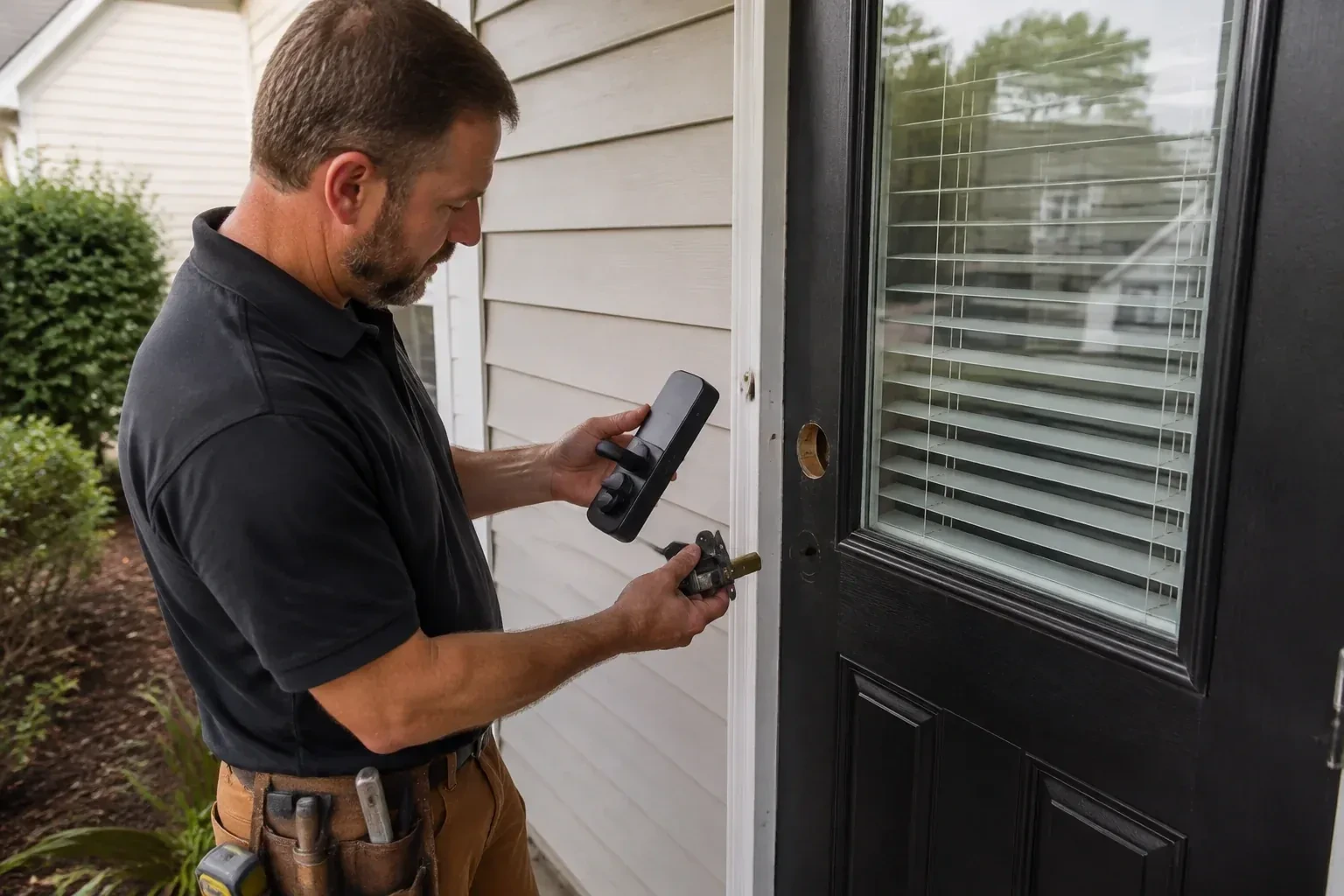
Sometimes the honest answer is a full lock change: a cylinder that fights every key, a handle set that no longer matches the door, a break-up where rekeying feels like half a measure. For homes across London we replace the hardware, match the finish to what is already on the house and hand over new keys.
Sometimes the honest answer is a full lock change: a cylinder that fights every key, a handle set that no longer matches the door, a break-up where rekeying feels like half a measure. For homes across London we replace the hardware, match the finish to what is already on the house and hand over new keys.
Locksmithing without the drama.
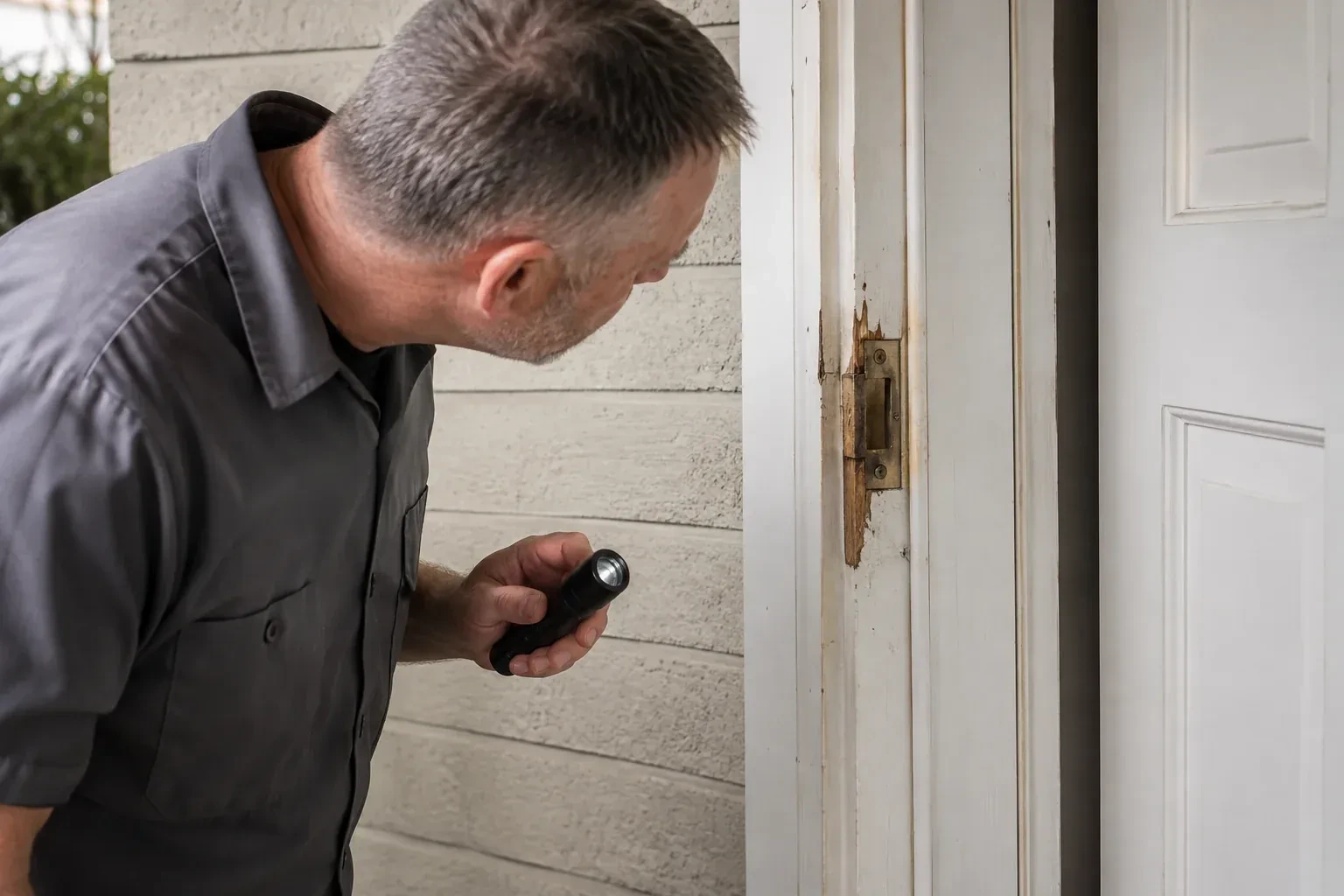
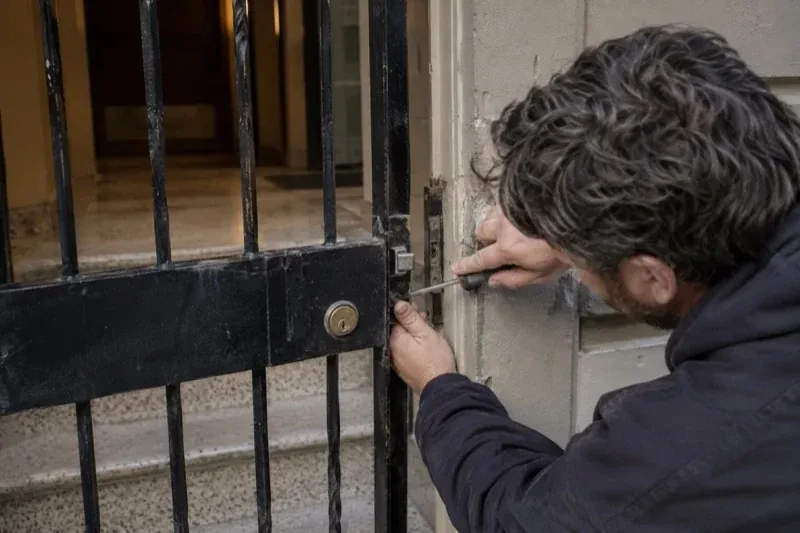
After a break-in, households in London need the door secured tonight and the decisions made later. We come out, board or repair what is damaged, replace or rekey anything that might have been compromised, and leave you with a locked house. Conversations about strike plates and better cylinders wait until the shock has passed and you are ready to have them.
Winter in London finds every weak lock. Cylinders freeze, doors swell and deadbolts stop lining up with the strike. We thaw and release frozen hardware without damage, adjust alignment so the door locks with one hand again and suggest lubricants and habits that help through the rest of the season. When spring comes, the same door often needs a small adjustment back.
33years in business
24/7open every day
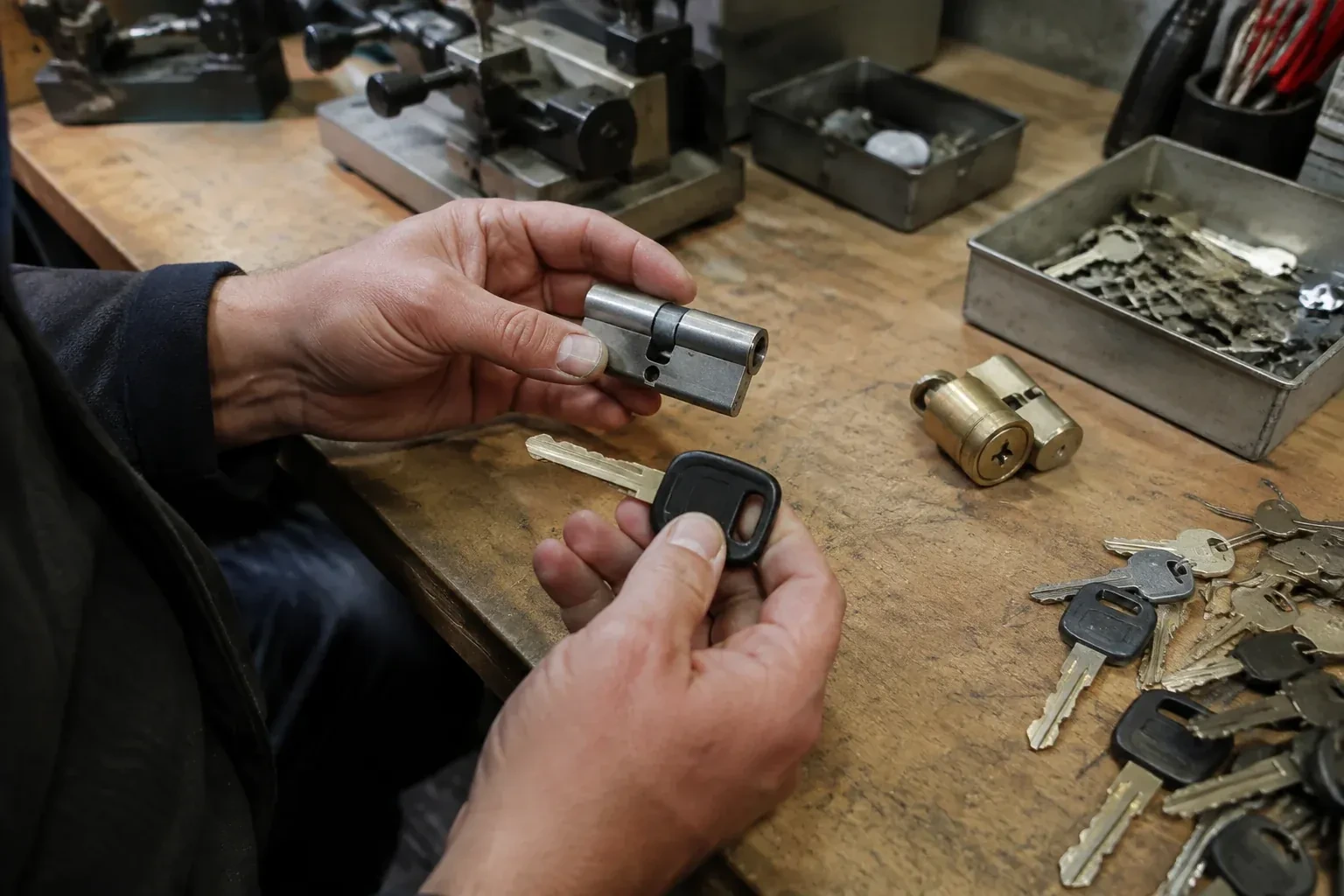
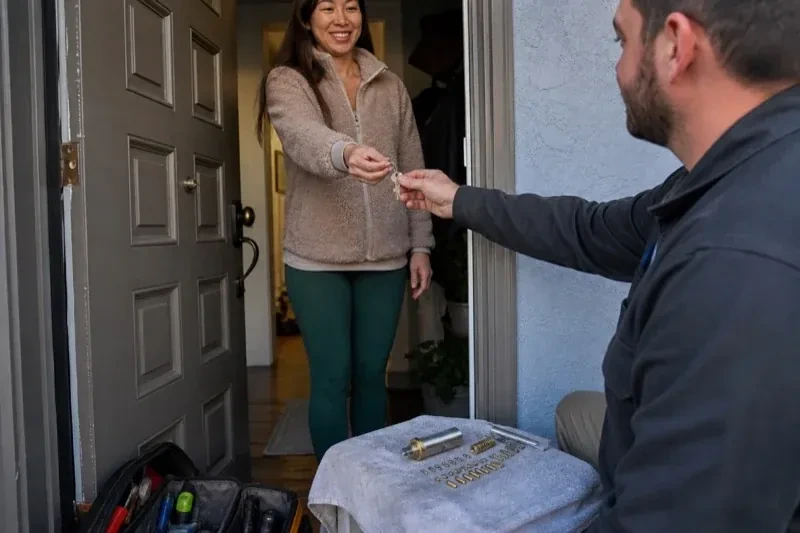
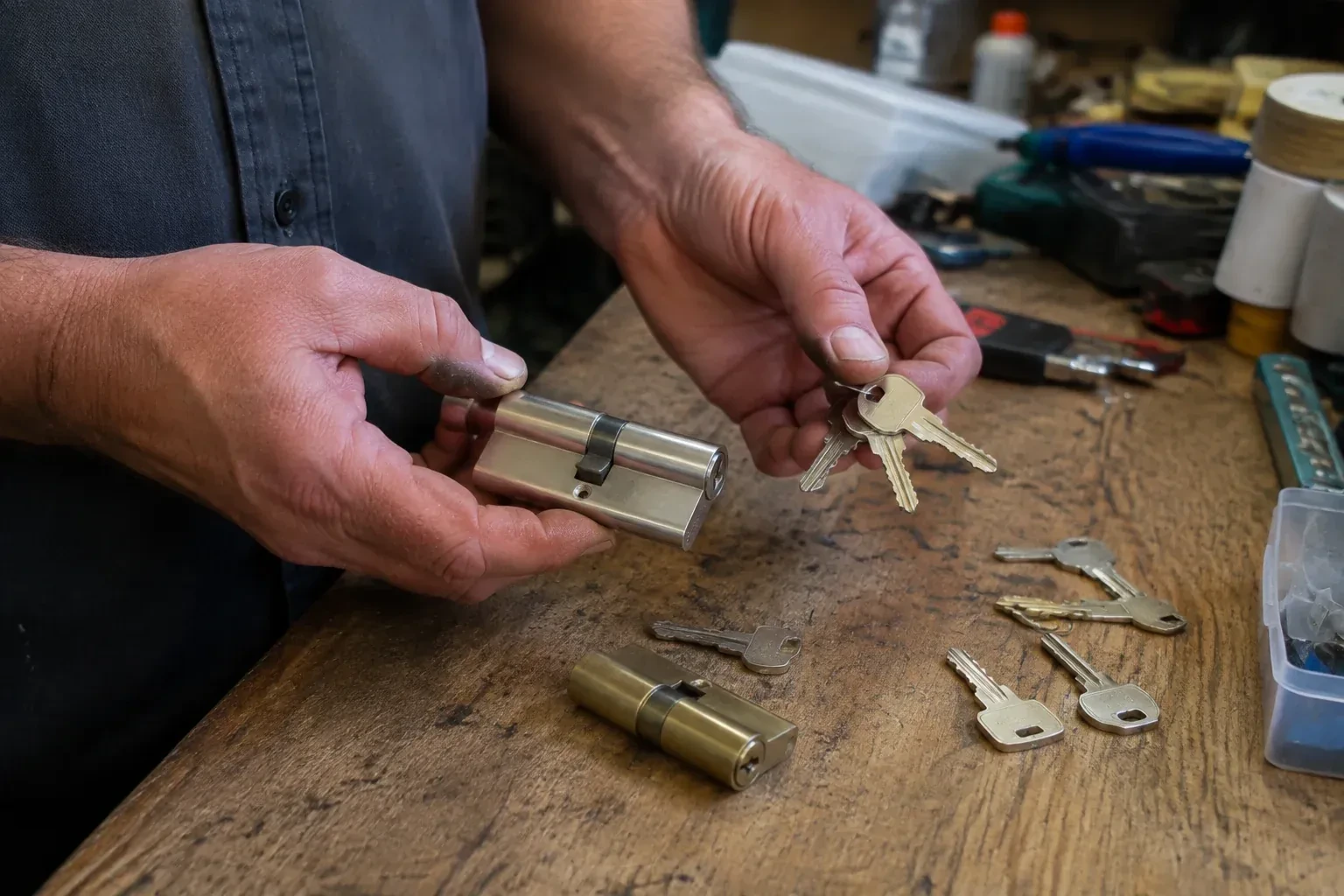
Clear about who can get in. After any rekey or replacement we tell you exactly which keys work and how many copies exist. Key control is the point, and you should have the full picture.
Careful with the building. We protect floors and finishes, work around your day where we can, and treat a shop or office with the same care as a home.
The choice explained in your terms. Rather than product names, we talk about what each option means for you: who has access, how it copes with weather, how easy it is to change later.
For people in London who like to know before they call: these pages describe each lock service in detail, from the routine rekey to the less common safe opening or master key design. They explain the steps, the parts involved and the decisions you may be asked to make on the day.
About 52% of homes in London were built in 1980 or earlier, according to the 2021 Census.
Older homes
In neighbourhoods of established homes, keys have often been copied many times over many owners. Rekeying every exterior door to one fresh key is the common first job, and it works on old cylinders just as well as on new ones.
Single-detached houses make up about 49% of homes in London (2021 Census).
Mixed housing brings mixed hardware ages as well as types. A locksmith may rebuild a mortise lock on a semi-detached house and then set up a keypad on a townhouse door across the road, and treats each with the care its owner expects.
The moving truck has left, half the boxes are inside, and the single key the previous owner handed over turns the knob but not the deadbolt. Someone locked it on the way out, and nobody has a key that fits it.
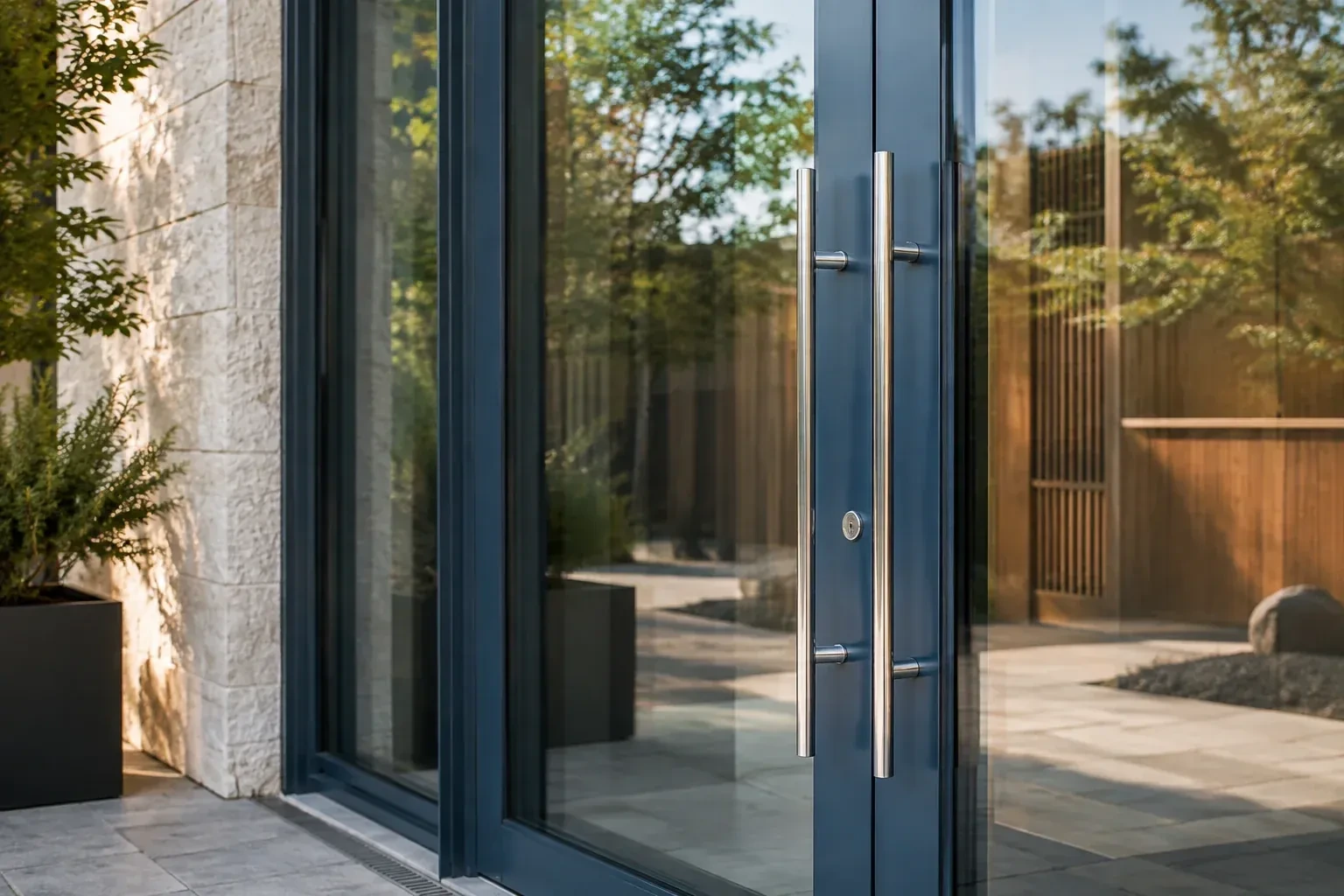
The heavy glass door has been scraping the threshold for weeks. This morning the key turns, you can hear the bolt trying to move, but it is jammed hard in the strike and the door stays shut no matter how the handle is pulled.
The patio slider is sitting crooked on its track. Its latch is snapped, the frame is bowed where it was pried, and the panel no longer meets the jamb, so the house cannot be closed up for the night.
The old skeleton key still fits the keyhole, but it now needs a jiggle, a lean on the door and a little luck before the bolt moves. Last week it took three tries. You have one key and no idea where a second could come from.
The till drawer has been holding two days of cash because the new shop never got a proper safe, and a locked drawer under the counter is the only thing standing between that cash and anyone who works late.
The restricted keys you bought years ago are no longer restricted; the locksmith mentioned the patent has run out and blanks are sold openly. Your key control quietly stopped being control.
A lockout last month ended with a locksmith opening the door and going home, and the same single key has been carried ever since with nothing behind it. The relief of getting back in faded within a week into the same exposure.
The button on your key fob does nothing now: no beep, no flash of the lights, no click from the doors. The metal blade folded inside the fob still turns the door by hand, so you are getting in and out, just without the remote.
The key turns half a rotation in the ignition, catches, then the blade lets go with a small snap. The bow is still in your hand; the rest of it is somewhere inside a lock that now has nothing to grip.
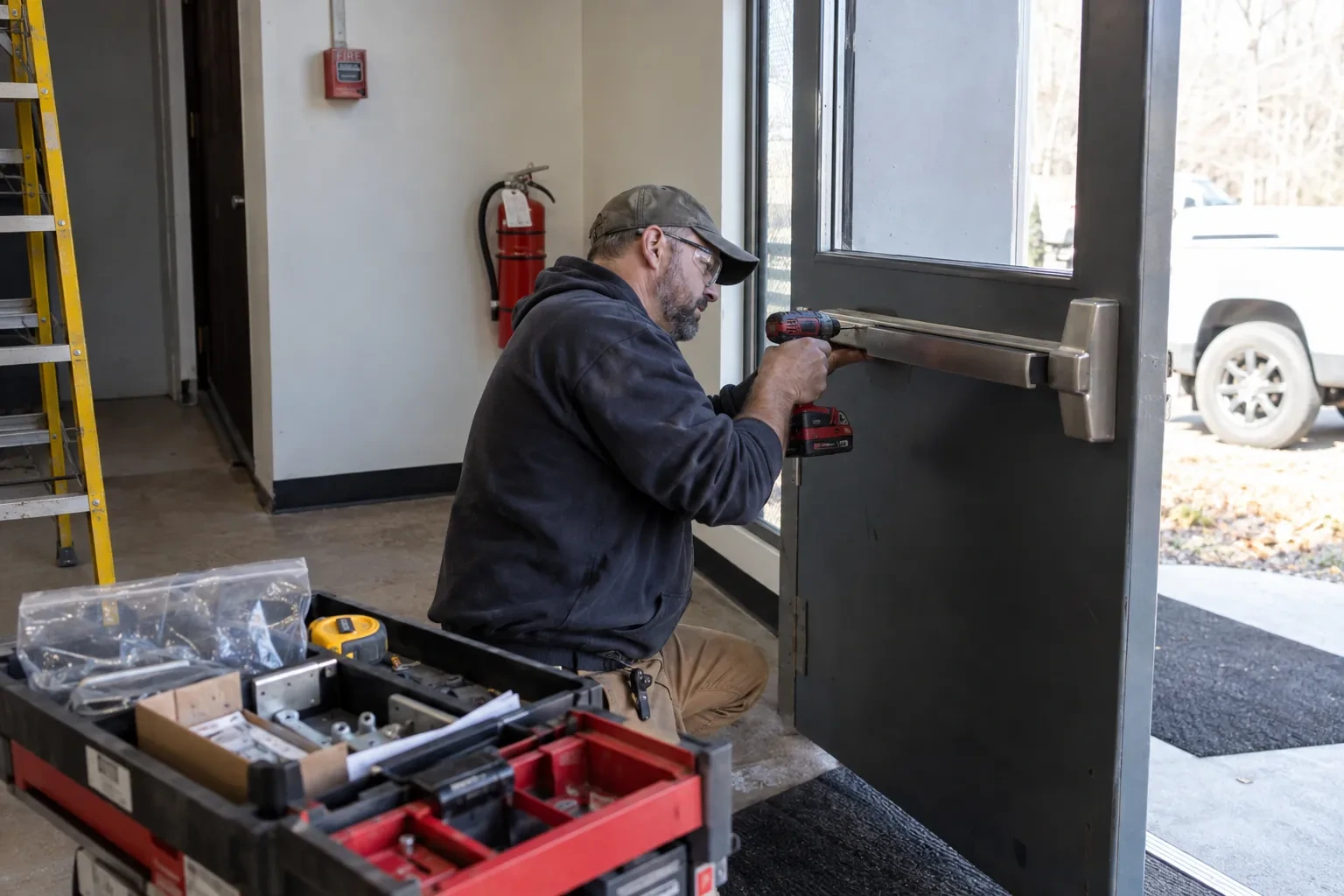
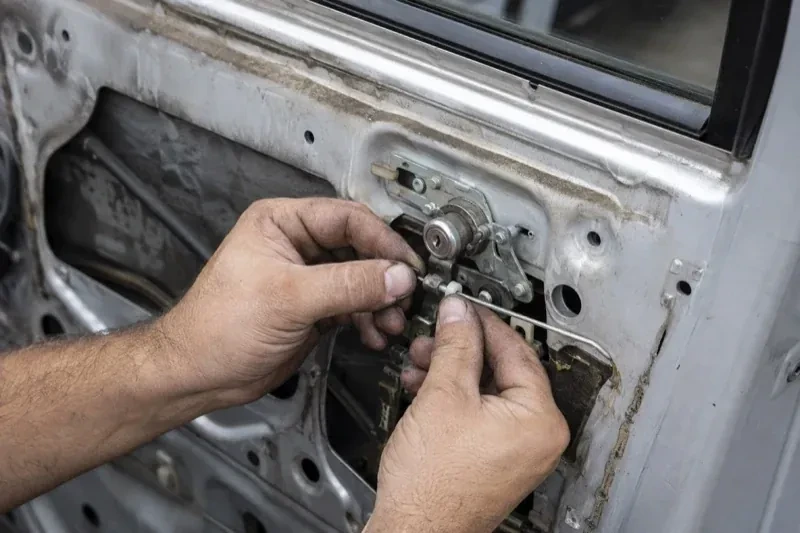
Commercial doors carry more hardware than most people notice: cylinders, exit devices, closers, strikes, keypads. When one part fails the door stops behaving. We service and replace all of it and set up key systems that survive staff changes.
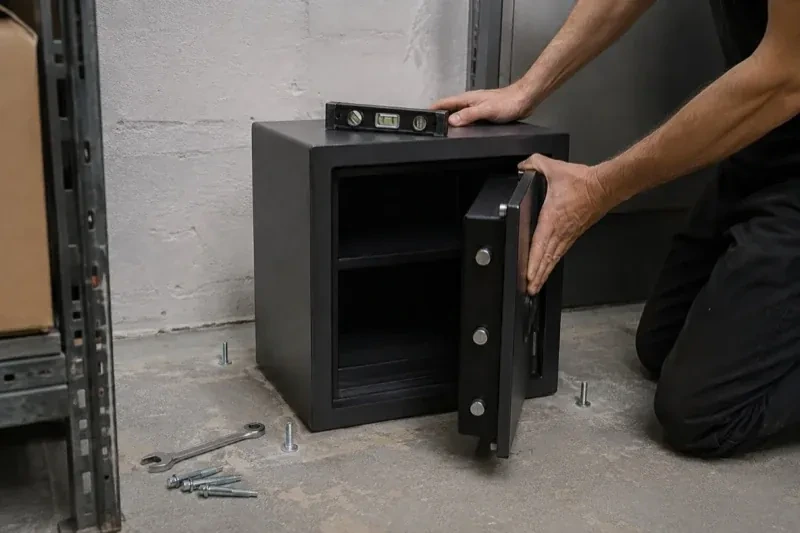
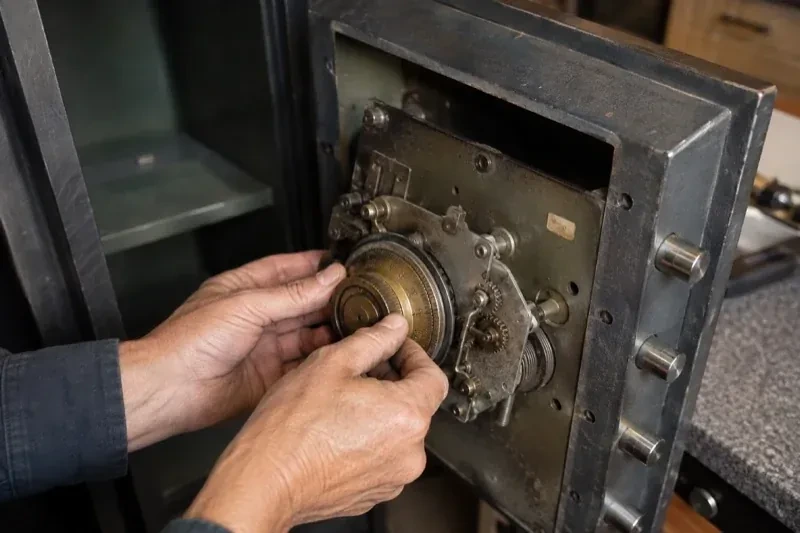
A homeowner inherited a heavy old dial safe from a parent's house, moved it into the new place, and has no idea whether the bolt-work still works, whether the lock is sound, or how it should be anchored.
Which fix fits?
The moving truck has left, half the boxes are inside, and the single key the previous owner handed over turns the knob but not the deadbolt.
WhyThe trim on the door face is the other half of the lock.
The till drawer has been holding two days of cash because the new shop never got a proper safe, and a locked drawer under the counter is the only thing standing between that cash and anyone who works late.
WhyFor a household bringing in its first real safe, the service covers everything between the empty spot on the floor and a working, anchored unit with a combination only the family knows.
The restricted keys you bought years ago are no longer restricted; the locksmith mentioned the patent has run out and blanks are sold openly.
WhyThink of the upgrade as four layers working together.
A lockout last month ended with a locksmith opening the door and going home, and the same single key has been carried ever since with nothing behind it.
WhyA vehicle that arrives with only one working key is a common situation after a private sale or an estate transfer, and it is one of the more straightforward calls a locksmith takes.
The button on your key fob does nothing now: no beep, no flash of the lights, no click from the doors.
WhyWhen a car has collected a spare key or an aftermarket key that no longer quite matches the original cut, one door can start behaving differently from the rest.
The key turns half a rotation in the ignition, catches, then the blade lets go with a small snap.
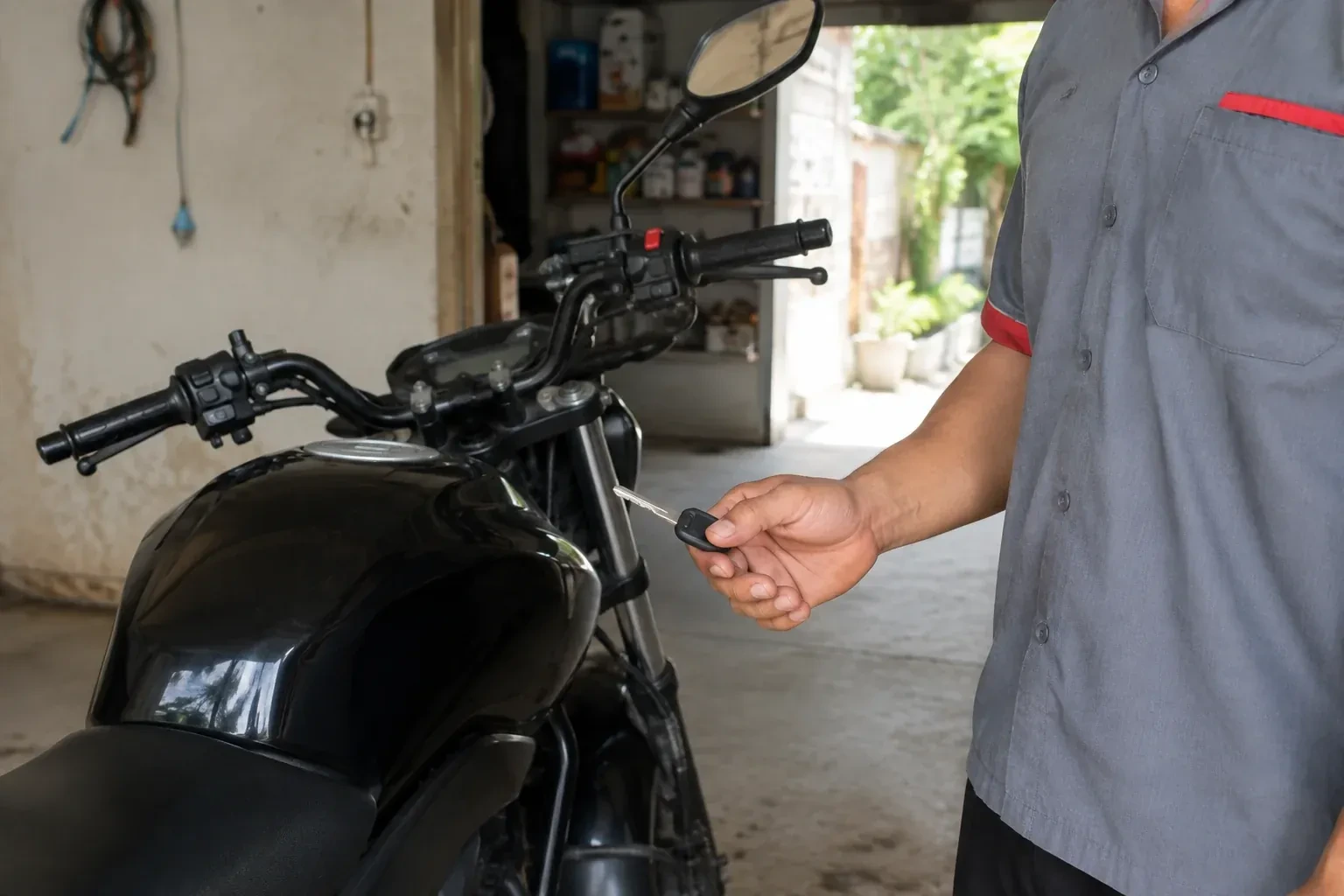
WhyMotorcycle and scooter key service is the work of producing a key that a two-wheeled machine will actually accept, whether that means cutting a plain blade, decoding an ignition lock with no key at all, or programming a transponder that talks to the engine control unit.
How a visit goes
Describe the property, the hardware and what has changed, and the visit starts from what you have seen.
1
2
3
01
Verifying the caller
We ask for something that ties you to the premises: a lease, business card, or a call to the owner. Opening a shop for the wrong person is not a risk we take.
02
Getting the door open
Storefront and office locks vary, so we choose the approach that leaves the hardware intact wherever possible. If the lock itself has failed, we tell you before opening it.
03
Getting you back to trading
Once inside we check the lock, cut keys if needed and note anything that should be addressed later so your day can carry on.
I am a landlord. Can you open a unit my tenant is living in?
A locksmith will want to understand the situation first, because a tenant's right to their home is protected and a lockout of a tenant is something only a sheriff enforcing a Landlord and Tenant Board order may carry out. Legitimate reasons do come up: a tenant has asked you to let them in, a vacated unit needs securing, or an emergency requires access. Bring ownership records and be ready to explain the circumstances, and the locksmith will help you handle it properly.
We need to open for customers. How do you sequence the visit?
Entry comes first and repairs second. Once authority is confirmed the door is opened, staff go in and start their routine, and the locksmith turns to the cause: extracting a broken key, rekeying for a lost one, re-springing a deadlatch or lifting a dropped door. Anything that can wait for a quieter hour, such as rekeying interior doors, is offered as a return visit so the shop floor is not blocked while it trades.
Can a split jamb be repaired, or does it need replacing?
Many can be repaired. A split along the grain is pressed back together, glued with a two-part wood epoxy and held by a steel repair plate or a boxed strike screwed through it into the stud, so the fasteners reinforce the repair as well as the lock. Missing wood is built up with filler or a fitted piece. A jamb that has pulled off the framing along its length or shattered around the pocket is replaced by a carpenter, with the opening secured until then.
The key turns all the way round but the bolt stays put. What is wrong?
On a cylinder mortise lock this points to the cylinder rather than the case. The set screw that holds the cylinder in the door has loosened or stripped so the whole cylinder rotates, or the cam on the back of the cylinder has worn or is the wrong shape and no longer catches the bolt lever. Both are fixed by resetting or replacing the cylinder and its set screw, and the case itself is usually fine.
Can more than one person have their own code?
Yes, on an electronic keypad that supports multiple users, each person can be given a separate code rather than everyone sharing one, which also makes it simple to remove a single code later without resetting the whole lock. A mechanical dial lock, by contrast, has one combination for everyone who needs it, so a change in who has access there means changing that one combination.
What information helps before the visit?
A photo of each door's lock from inside and outside, the type of door, whether there is glass nearby and roughly how many keys are in circulation. For a business, a sketch of the doors and who needs to reach each area saves a great deal of time. Mention any door that sticks, has been forced or has a closer or push bar on it. With that, the locksmith arrives with the right formats and a plan to discuss.
Is there a reason to make a spare now rather than waiting until the original is lost?
The whole process depends on having a working key to read or trace from, so making the spare while that key still exists is simpler than the alternative of proving ownership without any key present and building access from scratch. A spare made now also means a future lost key is solved by reaching for the second one already tested and waiting, rather than starting the whole process from nothing.
Can a locksmith work on a leased or company vehicle?
Yes, provided the person requesting the work can show a connection to the vehicle, such as a lease agreement, a fleet authorization letter, or documentation from the company that holds the registration, matched against the vehicle's identification number.
Would a copy from a general hardware-store machine work just as well?
It can, but motorcycle wafer locks vary between manufacturers even when they look similar, and a generic cutter is not always set up to read the specific depths and keyway profile correctly. A copy that is slightly off shows up as a key that catches or needs a wiggle, which is often what brings someone in after trying that route first. Cutting from the lock's actual code avoids that guesswork.
Request a visit
After a break-in, households in London need the door secured tonight and the decisions made later. We come out, board or repair what is damaged, replace or rekey anything that might have been compromised, and leave you with a locked house. Conversations about strike plates and better cylinders wait until the shock has passed and you are ready to have them.