Change or rekey · London
Gate & Building Entry Locks
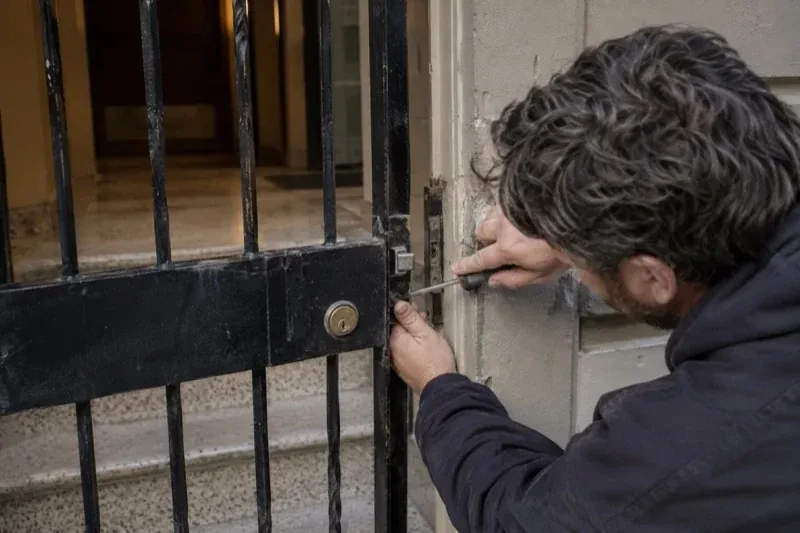
Every time the courtyard gate closes, it slams hard enough to rattle the fence panels, and the deadlatch never quite drops into the keeper before the spring yanks it the rest of the way.
In plain words
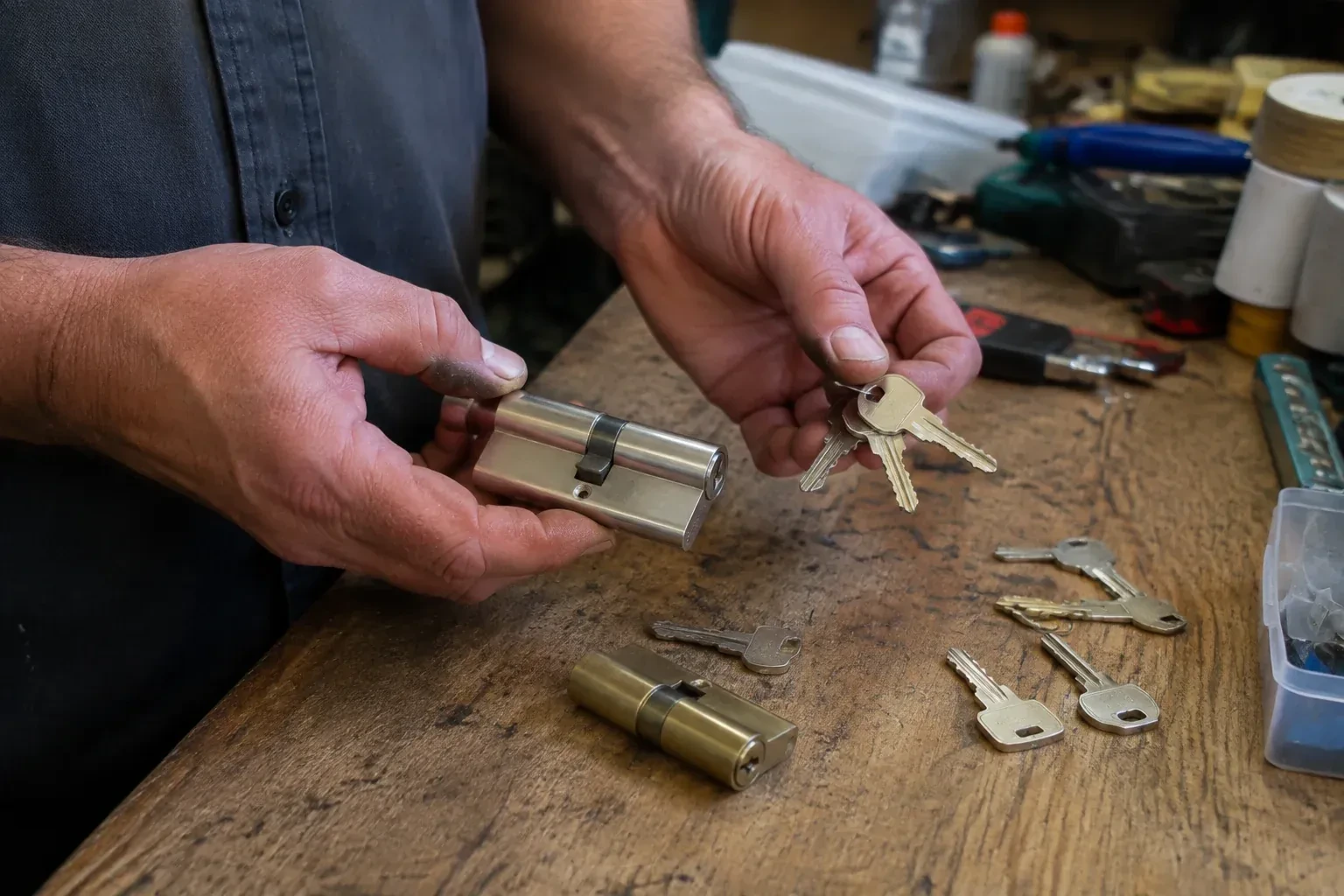
When several households share one street gate or one building entry, a lock change on its own solves little if half the keys in circulation still work afterward. This service starts by mapping who actually needs a key today, checks whether existing cylinders can be keyed alike without full replacement, and rekeys or replaces only what the assessment calls for. Everyone currently living or working behind that door leaves with a key that matches the others, and nobody is quietly left out by someone else's fix.
How the visit goesThe padlock on the side gate has gone stiff every winter for three years running, and this year the key simply will not turn past the first few pins. Salt spray off the road and a season of meltwater have left the cylinder pitted and reluctant.
Gate & Building Entry Locks
How the visit goes
Weather exposure and corrosion
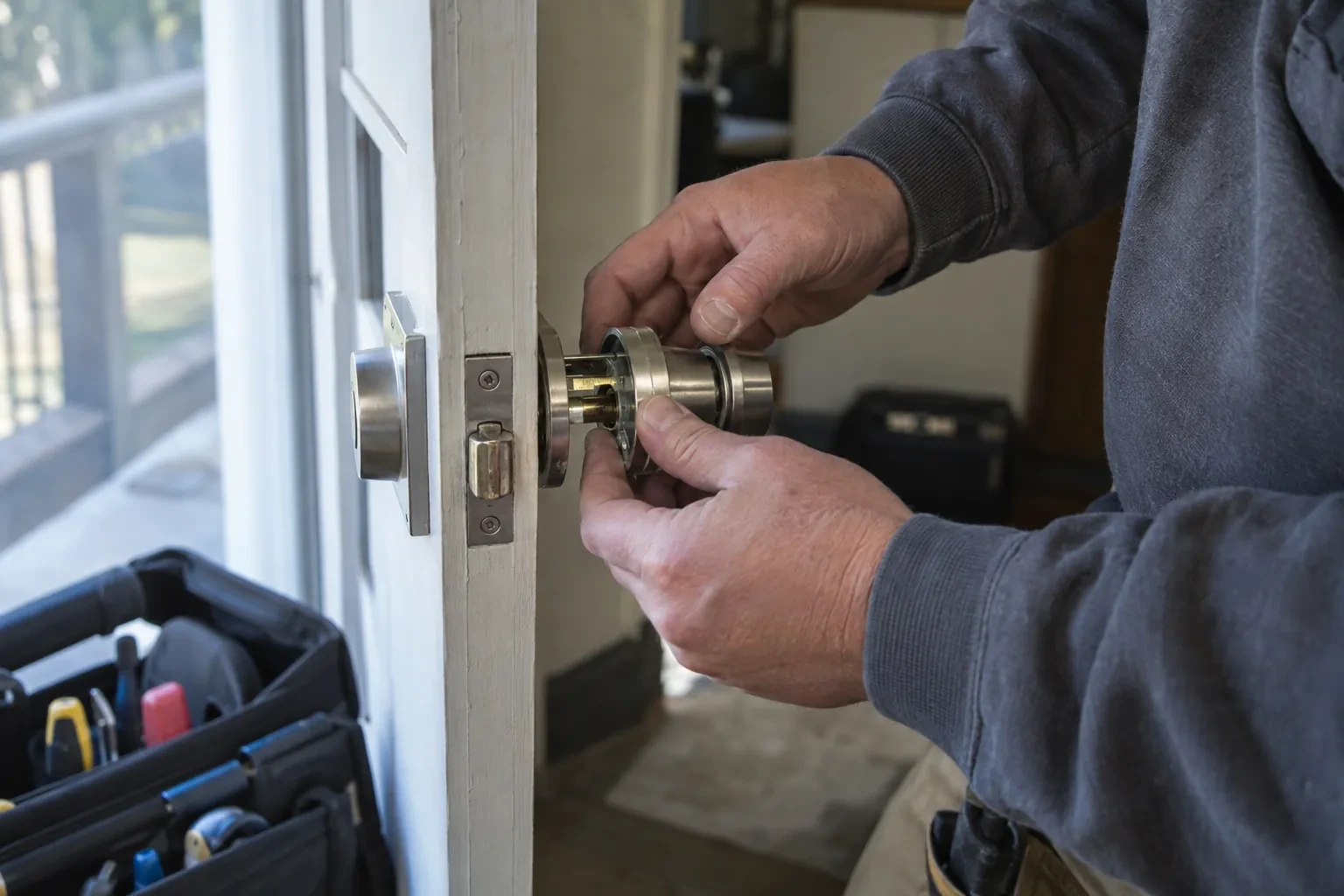
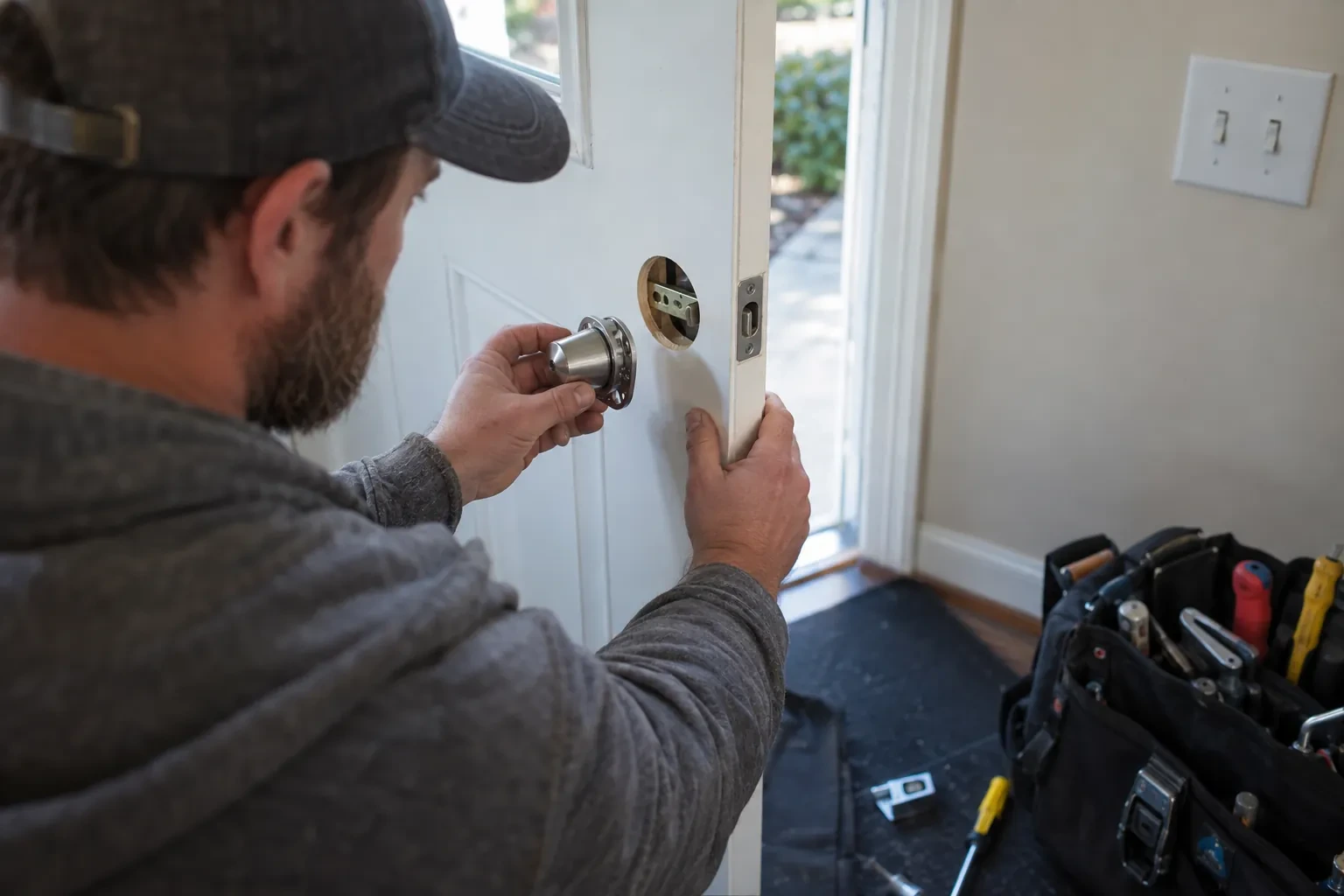
A gate lock lives outside in every season, so the assessment looks specifically for what weather has already done to it: pitting on the cylinder face, a stiff plug that hints at rust inside, green corrosion around a padlock shackle, or a closer that has started to weep hydraulic fluid. Ground-level hardware near a driveway or walkway gets checked especially closely, since de-icing salt collects there over winter. What this turns up decides whether the existing hardware can be cleaned and lubricated or whether weather has already gone past what maintenance alone can address.
Repairing damage from an earlier attempt or a break-in
Where the gate or door shows signs of prying, cutting or a spun cylinder, the damaged hardware is removed and assessed on its own before anything is rebuilt: a bent strike is straightened or replaced, a compromised cylinder is swapped rather than trusted, and a cut hasp or shackle is replaced with a heavier one if the original was clearly overmatched. The surrounding wood or metal gets checked too, since forced entry often stresses the frame as much as the lock. The finished gate or door is tested to confirm it closes, latches and locks exactly as it should.
An electronic entry tested as one system
Where the entry includes a buzzer, keypad or electric strike, you see it worked before the locksmith leaves: the intercom releasing the door on a buzz, the keypad accepting a code, and, where the installed lock includes one, the mechanical override key turning cleanly as a backup. Batteries or settings that were touched during the visit are confirmed, and, if a backup key exists, you are shown where it lives so it is not lost track of. An entry with both a working backup key and working electronics now has two independent ways to open it, worth keeping in mind the day the power or the app misbehaves.
Gate & Building Entry Locks
In the van
Dry graphite or PTFE lubricant
Voltage tester for electric strikes
Key blanks and code cutter
Cylinder decoder and pick set
Weather-rated cylinders
Gate & Building Entry Locks
What affects the quote
Type and grade of the gate or door lock
A basic surface-mounted gate latch, a weather-rated cylinder, a mortise case and a panic device on a building entry each take different parts and different amounts of time to service, and that difference is reflected in the quote.
Any damage from a prior forced entry
Where pry marks, a bent strike or a cut hasp are found, repairing or replacing that damaged hardware is additional to a routine lock adjustment, and the locksmith points out what was already there before quoting it.
Corrosion or damage already present
A cylinder that is merely stiff is a lighter job than one that is visibly pitted, seized or cracked from years of weather exposure, and the quote reflects whichever condition the hardware is actually found in.
What to have ready
- Are there other gates on the property that should share a key?
- Is the gate wood, metal, aluminum or vinyl?
- Is the lock dragging, slamming, stuck, or simply not latching?
Gate & Building Entry Locks: questions
QuestionsWhat is a good option for a gate that delivery drivers or a maintenance crew need occasional access to?
A keypad or a lockbox with a rotating code works well there, since access can be shared without handing out a physical key that has to come back later. A weather-rated cylinder with a separate access key is another option if the property already runs on a keyed system. The locksmith can talk through how often the code should change and who on site should know it, so the gate stays convenient without staying open to everyone.
Should every gate on my property share one key, or is it better to keep them separate?
Either can make sense, and the choice usually comes down to who uses which gate and how often. A household that walks through the front and side gates daily generally prefers one key for both, while a gate that only a landscaper or utility worker uses is sometimes kept on its own key deliberately, so lending it out does not hand over access to everything else. The locksmith can lay out both options once every gate on the property has been looked at.
How do you decide whether to repair a gate lock or replace it?
The decision follows what the assessment actually finds rather than the age of the hardware alone. A cylinder that is only stiff or slightly worn is usually serviced and left in place, while one that is pitted, cracked or built to a grade unsuited to its exposure is replaced. The same logic applies to a closer or hinge: adjustment first, replacement only once the part itself has genuinely failed. You are told which category the hardware fell into and why before any work proceeds.
Related services
- Deadbolt InstallationThe old deadbolt has grown lazy.
- Lock Replacement & UpgradeThe house is fifteen years old and every exterior door still wears the light hardware the builder fitted: a short bolt, a thin strike held by two small screws, and a knob lock that never suited a street entrance.
- Vintage Mortise Lock ServiceThe old skeleton key still fits the keyhole, but it now needs a jiggle, a lean on the door and a little luck before the bolt moves.