High security · Oakridge Park
High Security Locks in Oakridge Park
You have lost count of how many people have had a key to your house over the years: cleaners, a contractor, a former partner, the previous owner's family.
In plain words
Think of the upgrade as four layers working together. The cylinder resists picking, bumping and drilling. The deadbolt resists sawing and kicking with a long, hardened bolt. The strike and screws keep the frame from splitting when the door is struck. And the key control stops copies being made without your say-so. A locksmith assesses your door for each layer and tells you where it is weak, because a strong cylinder screwed into a soft frame gains you little. Most homes end up with a graded deadbolt and a patented cylinder; businesses often step up to laboratory-rated cylinders and heavier lock bodies.
How the visit goesYou run a home office with client files and equipment, and your insurer has asked what kind of lock is on the door. The honest answer is the builder's knob lock and a light deadbolt from when the house was new.
High Security Locks
How the visit goes
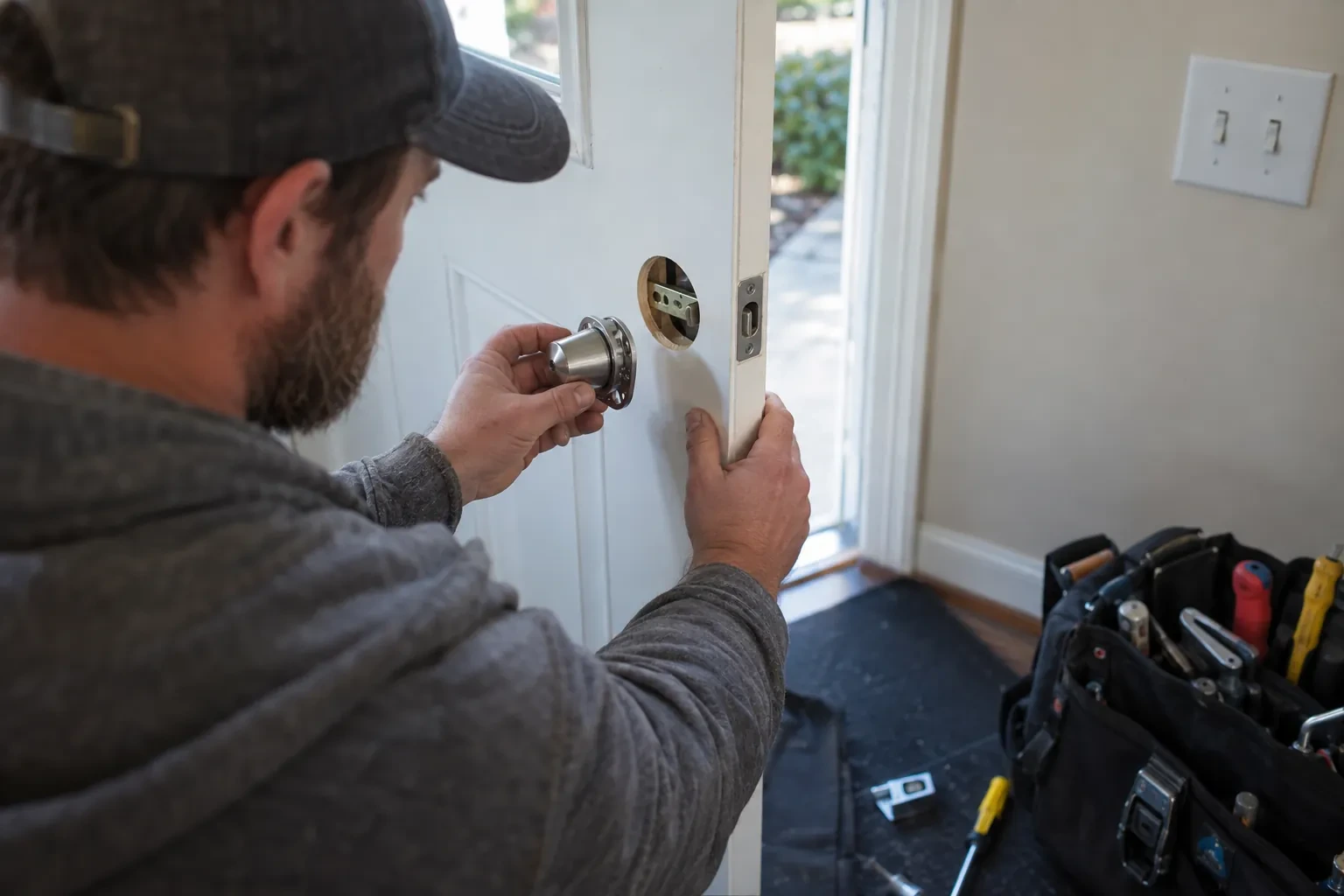
The fit of new hardware to old doors
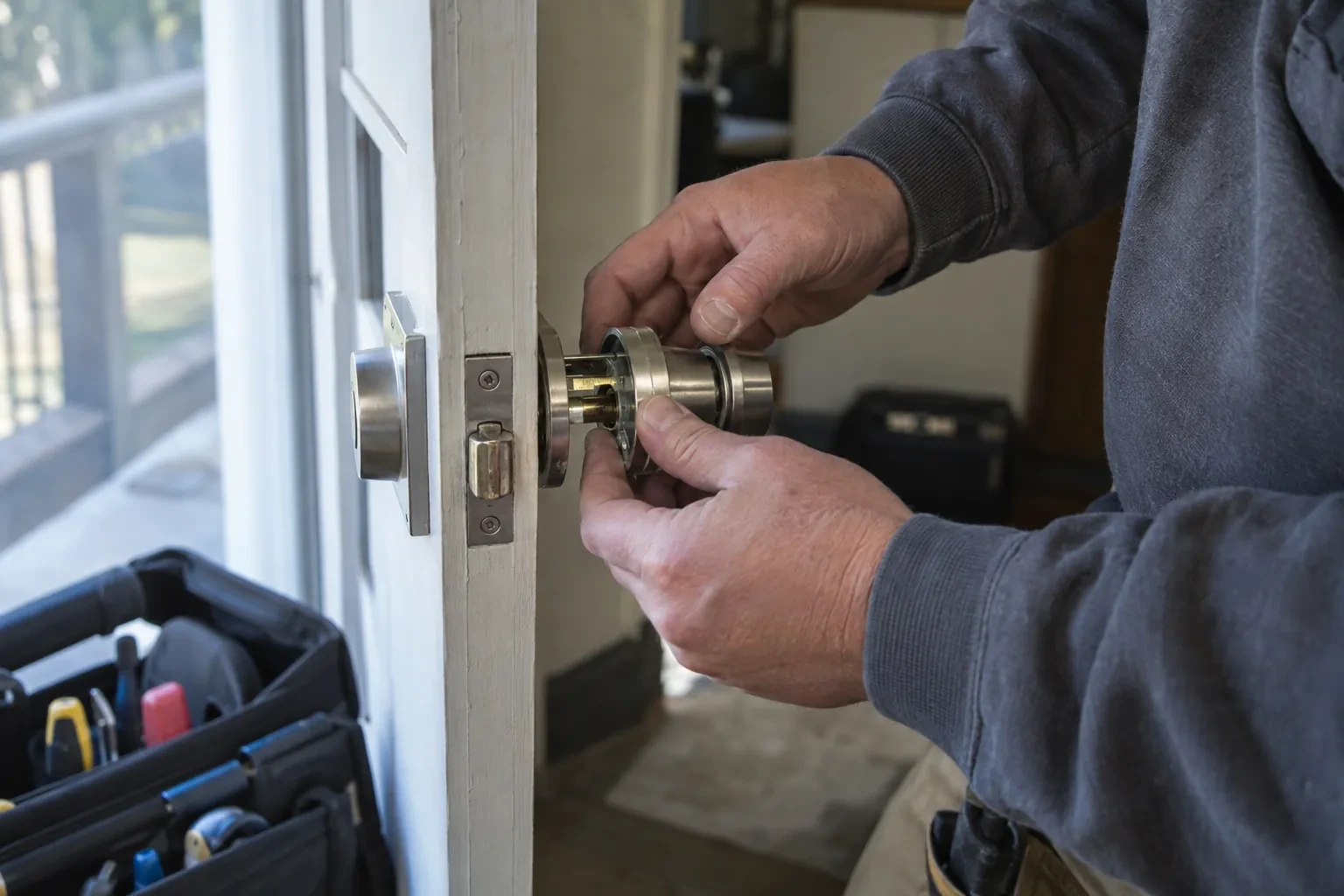
Older houses in this region have doors that predate modern hardware: narrower stiles, a mortise pocket already cut, a thick slab door or a steel-clad door with a specific backset. The locksmith measures the bore, backset, door thickness and edge preparation so the chosen deadbolt or cylinder fits without hacking at the door. Where a mortise lock is present, a high-security mortise cylinder often replaces the old one directly. Where a knob lock is the only lock, the assessment includes where a new deadbolt bore would sit and whether the frame can take a proper strike.
Retiring the old keys and closing gaps
Part of the visit is making the old keys meaningless. Once the new cylinders are in, every previous key is tried to confirm it no longer operates anything, and any remaining door on the old keyway is either upgraded or at least rekeyed so an unknown copy has nowhere to go. The locksmith also closes small gaps found during the assessment: replacing hinge screws with long ones, adjusting a closer, adding a cylinder guard, or moving a thumb-turn away from glass. The door leaves the visit as one coherent assembly rather than one strong part among weak ones.
Looking after a precision cylinder
High-security cylinders are finer mechanisms than the pin tumblers they replace, and a little care keeps them turning sweetly. Use only the dry lubricant the locksmith recommends, once or twice a year and sparingly, and never household oil, which gathers grit around the finger pins and sidebar. In cold weather, if the key resists, warm it in your hand or use a de-icer rather than forcing it. Insert the key fully before turning. Keep a spare key indoors so a bent or worn key is retired rather than pushed on. Treated this way, the cylinder outlasts the door around it.
High Security Locks
In the van
Pinning kit and plug follower
Key control authorisation card
Wrap-around door reinforcer
High-security cylinder
Hardened cylinder guard ring
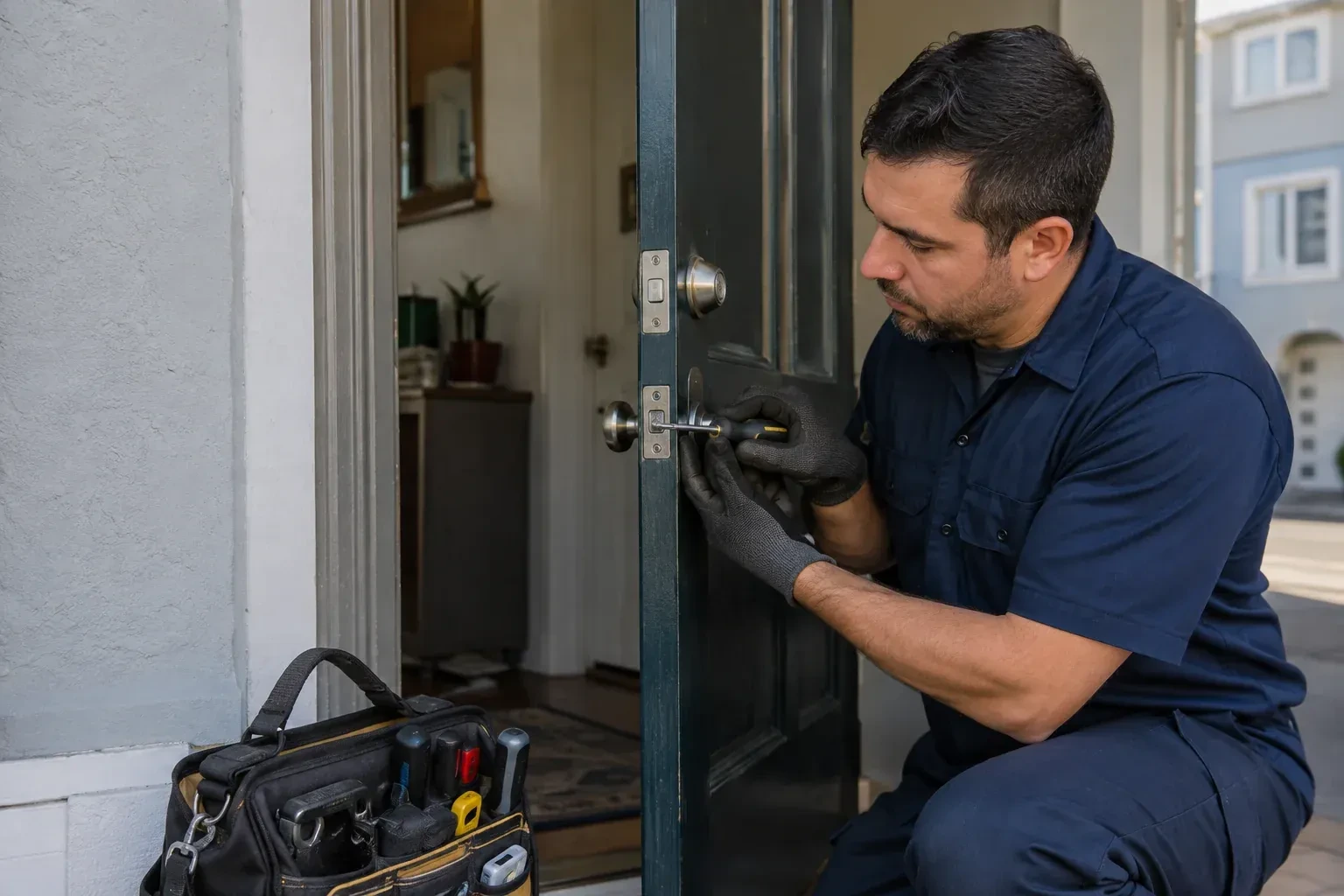
High Security Locks
What affects the quote
Number of doors
Each door gets its own cylinder or lock, strike work and testing. Several doors on one keyway share the setup cost of the key system but add hardware and time per opening.
Number of keys cut
Every key is cut from code on a machine that handles side bitting or angled cuts, so the count of keys you want at handover is a real line rather than a rounding error.
Exit devices and closers on the same door
Where a commercial door carries a push bar or closer, the new lock must work with them, and adjusting or replacing that hardware is part of the same visit.
What to have ready
- Would you like all doors on one key, or different keys for different areas?
- Is there a window or sidelight within reach of the lock?
- How many keys exist today, and are you confident of that number?
High Security Locks: questions
QuestionsWhat proof do I need to show before locks are changed?
The locksmith confirms that the person ordering the work is entitled to change the locks: the owner, a tenant with the landlord's agreement, or a property or facilities manager for a business. Photo identification and something linking you to the address usually settle it, and for a company a letter or a call to the named contact does the same. It protects you as much as anyone, since the same check stops someone else from changing your locks.
What information helps before the visit?
A photo of each door's lock from inside and outside, the type of door, whether there is glass nearby and roughly how many keys are in circulation. For a business, a sketch of the doors and who needs to reach each area saves a great deal of time. Mention any door that sticks, has been forced or has a closer or push bar on it. With that, the locksmith arrives with the right formats and a plan to discuss.
What actually makes a lock high security?
Three things working together. The cylinder has a second locking mechanism, usually a sidebar released by finger pins or rotating pins, plus hardened steel in the path of a drill, so picking, bumping and drilling take far longer than on an ordinary lock. The deadbolt and strike are heavier and fastened into the framing. And the key is cut on a patented or restricted blank that only an authorised person can have copied. Remove any one and the door is weaker than the label suggests.