Change or rekey · Byron
Lock Rekeying in Byron
Every copy of your house key seems to work a little differently.
In plain words
For landlords and tenants, rekeying is the tidy way to handle a change of occupancy. A departing tenant may have copied a key or simply forgotten to return one, and a fresh pinning means the incoming tenant is the only person holding a working key. Tenancy rules in this province expect a landlord who changes locks to give the tenant a replacement key and a tenant to have the landlord's consent before changing them, so a locksmith asks who is requesting the work and makes sure both sides end up with a key. A small record of the doors and key count keeps everyone clear.
How the visit goesThree months of renovation are finally done. The kitchen looks wonderful, and along the way a general contractor, a tile installer, a plumber and an electrician each carried a key to your front door at one point or another.
Inside the lock
What a rekey changes
01
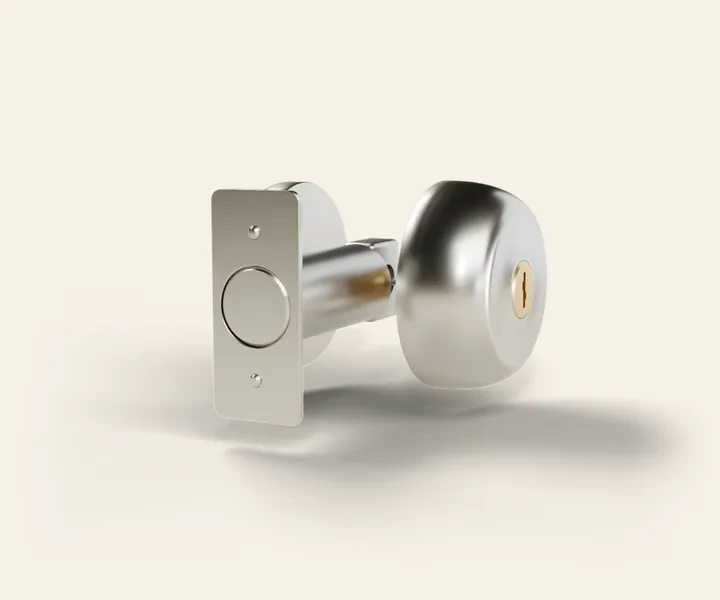
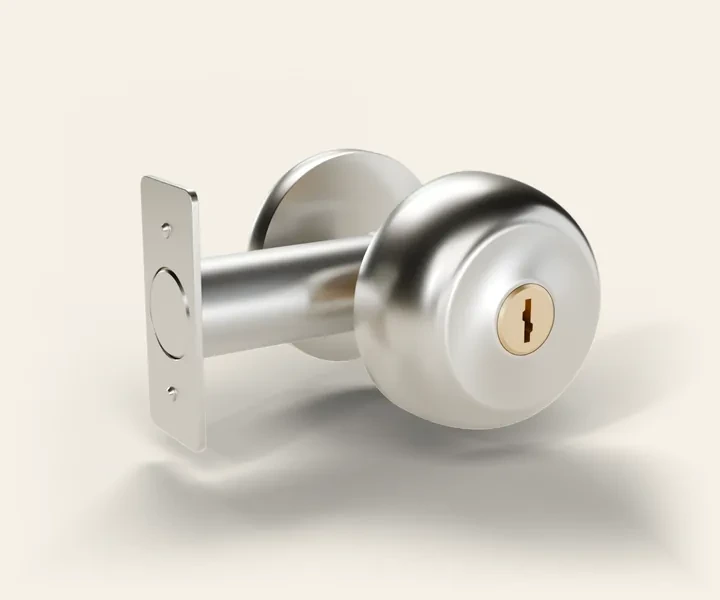
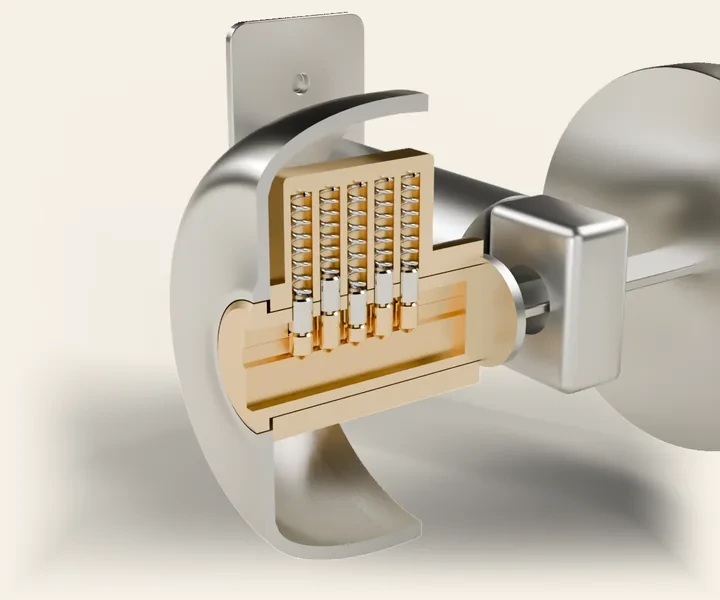
The lock you already have
02
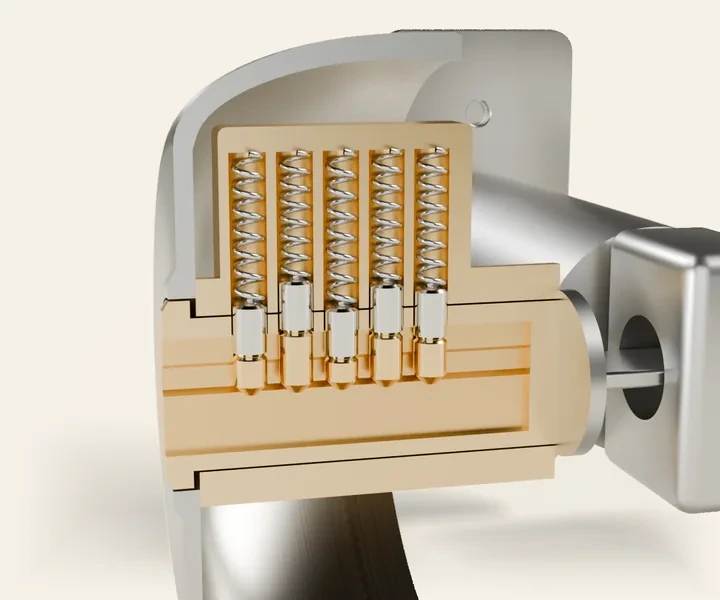
Inside the cylinder
03
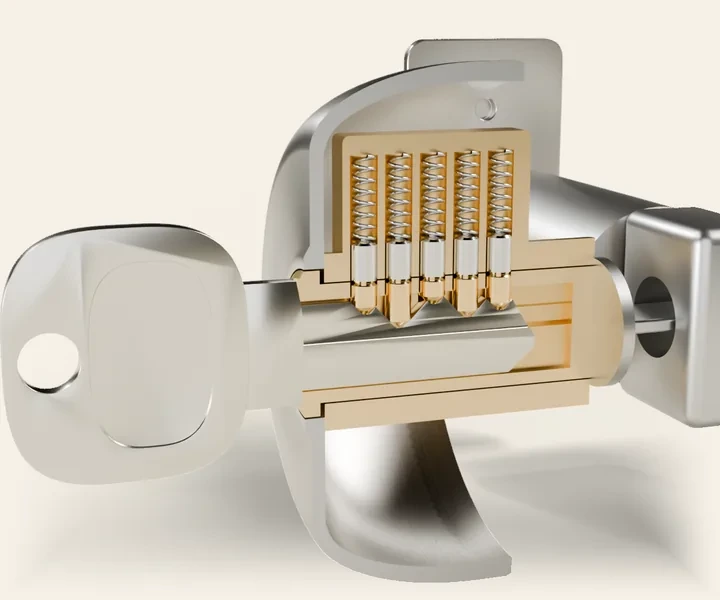
Pins, springs and the shear line
04
A new key, new pins
Lock Rekeying
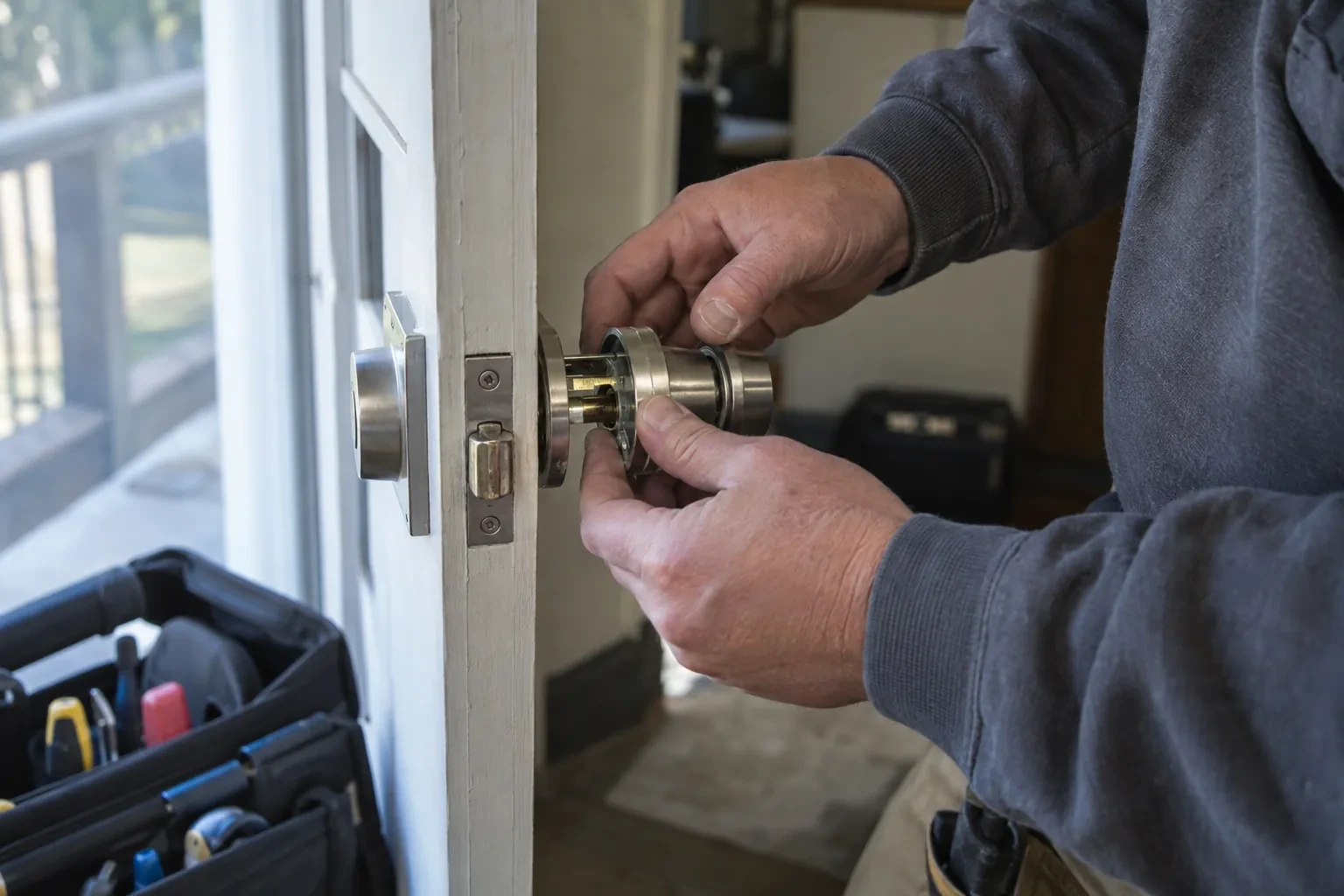
How the visit goes
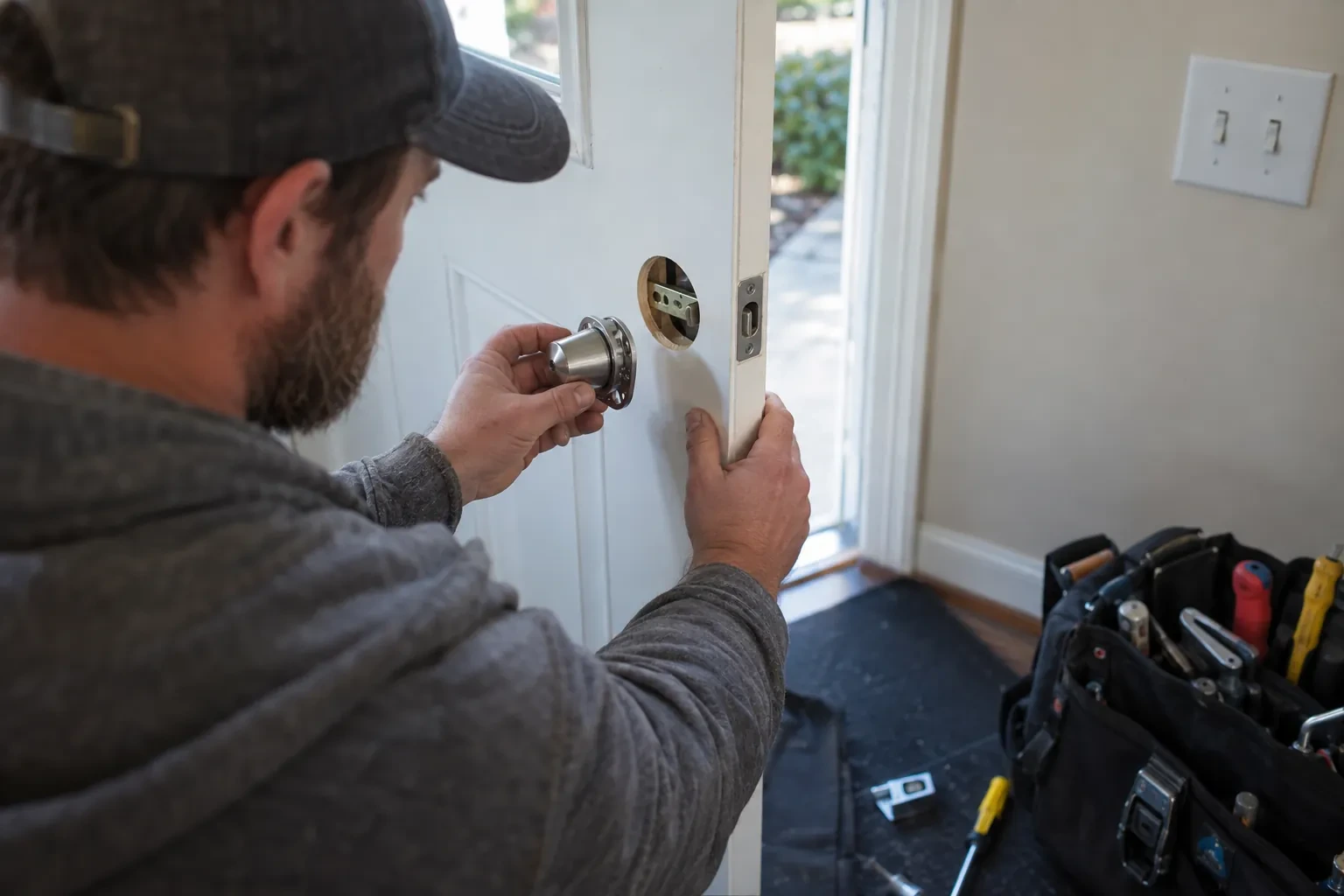
Doors that belong to someone else
A few openings around a home are not the occupant's to change, and sorting them out early avoids awkwardness later. In a condominium, the lobby, the garage, the locker room and the mailroom are the corporation's doors, and the suite door itself may need to remain on a system the building can access in an emergency. In a rental, the landlord has a say and must be given a key. A shared side entrance in a semi-detached or a duplex serves two households. The locksmith asks about each of these, confirms who needs to agree, and keeps them separate from the doors that are plainly yours.
Bringing several doors onto one key
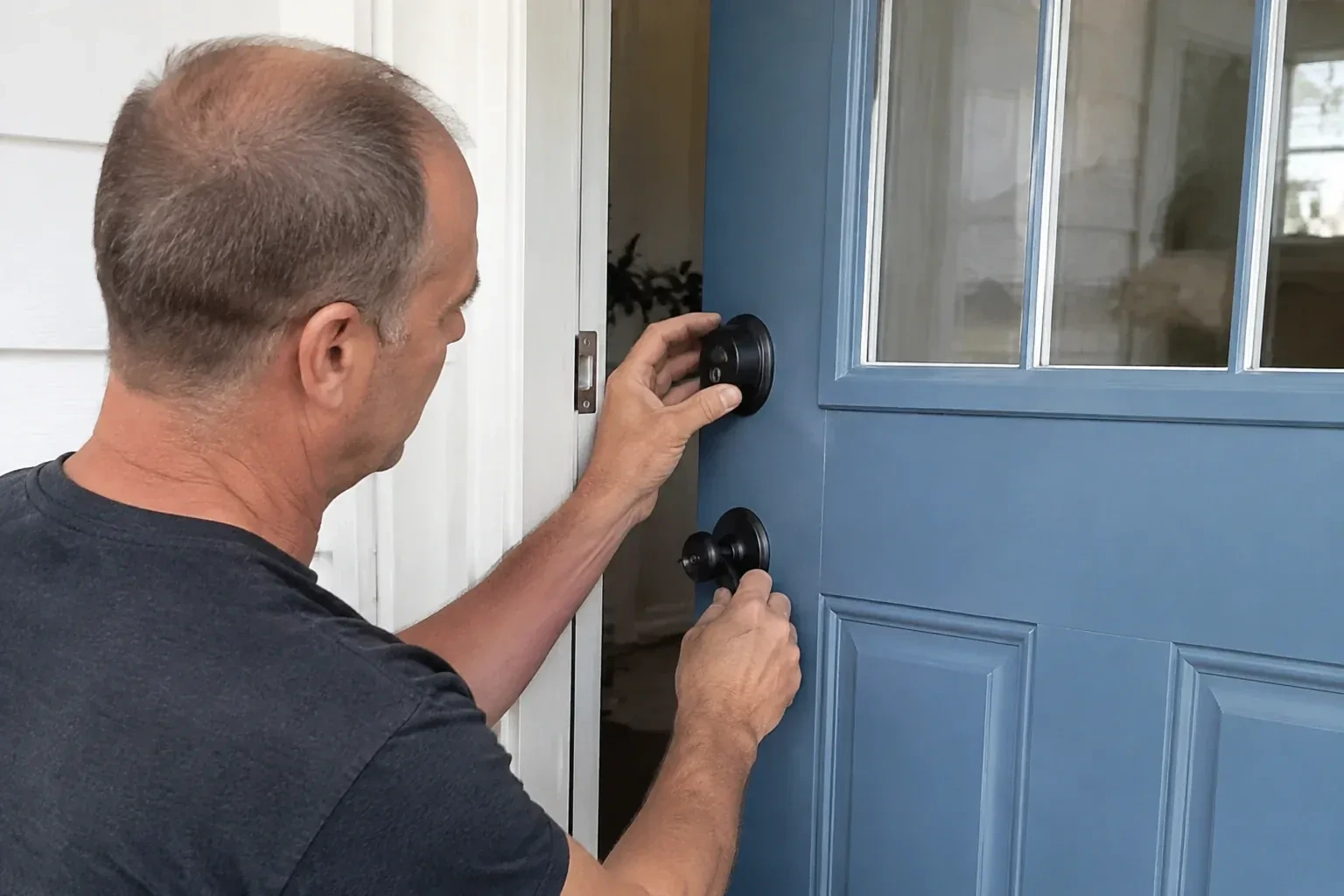
Keying doors alike is the same operation repeated with the same new key. Once the first cylinder is pinned and proven, the locksmith removes the second, follows the plug out, and loads bottom pins to the identical depths so the same key operates it, and so on around the house. Where a door carries a cylinder from a different keyway family, that cylinder is exchanged for a matching one in the same finish and then pinned to the house key. The result is one key on your ring that turns every exterior door, with the individual locks unchanged in appearance and function.
Living with one key for the house
If the visit brought your doors onto a single key, daily life gets a little simpler: one key opens the front door, the back, the garage's side entry and the shed, and the ring in your pocket shrinks to the car key and one for the house. Anyone you give a key to gets the same freedom, which is convenient for family and worth thinking about for anyone who should only reach one door; that is what a separate group is for. Keypads and smart locks keep their codes, and their override cylinder now takes the same key. If you add a door later, its cylinder can be pinned to match.
Lock Rekeying
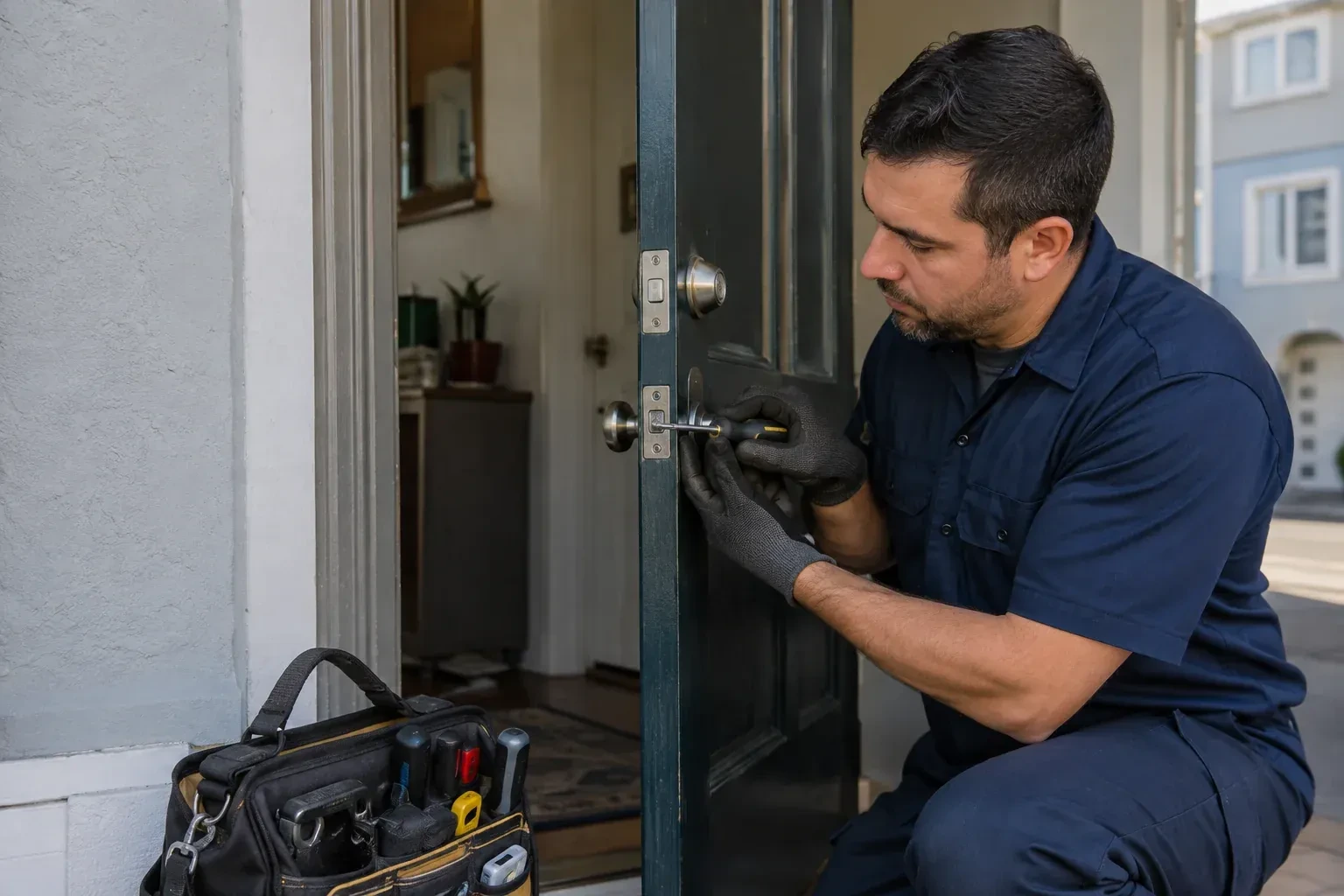
In the van
Pinning tweezers and tray
Dry graphite or PTFE lubricant
Reset tool for user-rekeyable cylinders
Key tags and keying record
Graded bottom pin kit
Lock Rekeying
What affects the quote
Number of keys cut
Keys are cut and tested individually, so the total depends on how many the household or the tenants need. Say the number when you book and the quote reflects it from the start.
Interior doors added to the plan
Bedroom, office or storage-room locks brought onto a key are lighter work than exterior deadbolts, but each is still a cylinder to pin and test, and the count includes them.
Several units in one building
A landlord rekeying a duplex, a triplex or a small apartment building, with each suite on its own key and a common entry shared, has more cylinders and a keying chart to build, and the quote grows accordingly.
What to have ready
- How many new keys will your household or your tenants need?
- Would you like every door on one key, or should some doors stay separate?
- Is the home a condo or in a building with shared entrance doors?
Lock Rekeying: questions
QuestionsWhat should I have ready before the locksmith arrives?
A list of the doors you want included, a working key for each lock if you have one, and a clear idea of whether you want everything on one key or some doors kept separate. Have your identification and something tying you to the address handy. If you rent, have your landlord's agreement ready to mention. Knowing roughly how many new keys the household needs saves a second trip to cut more.
What exactly does rekeying a lock change?
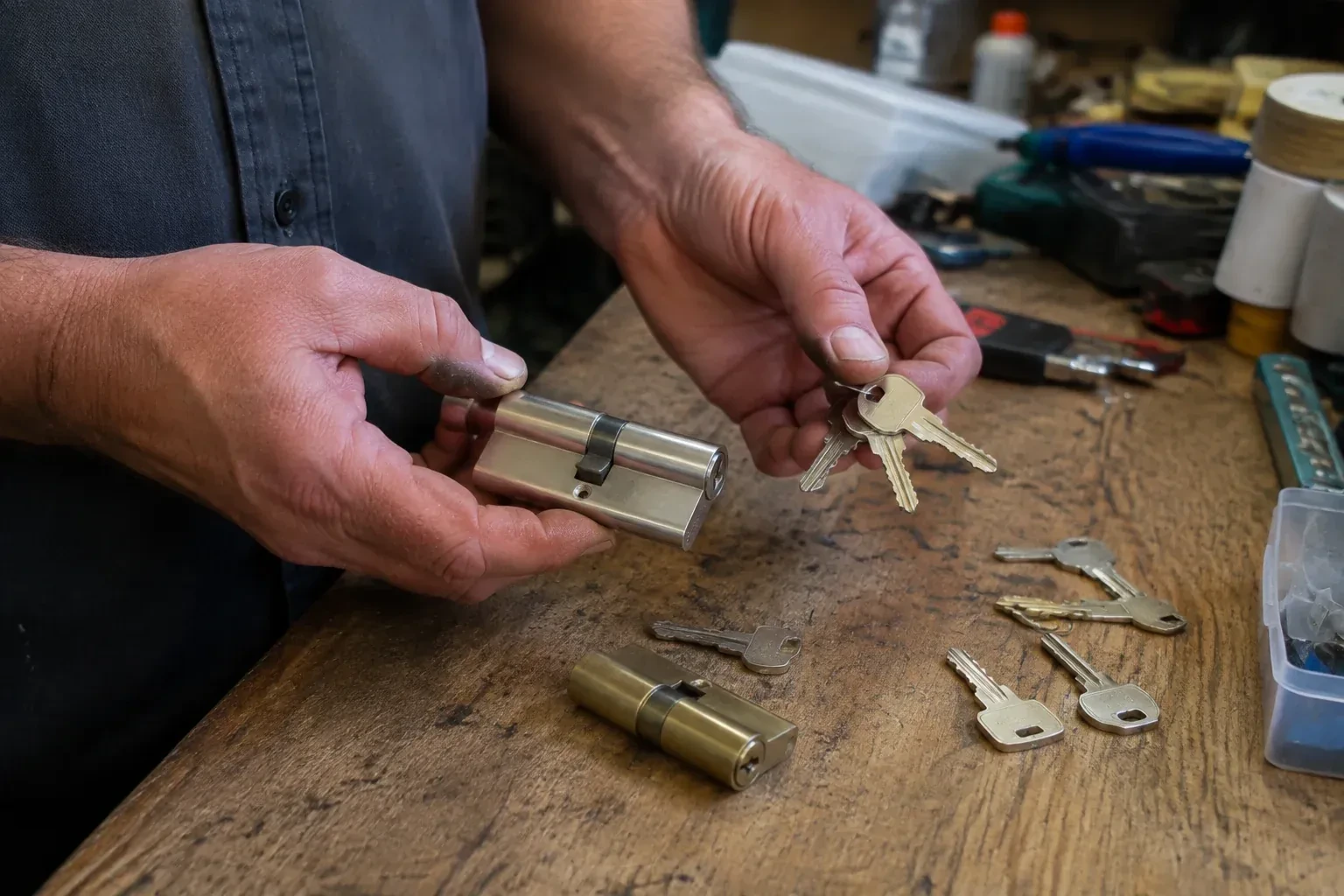
What changes depends on the cylinder. Many locks turn when a row of small bottom pins lines up at a precise level, set by the cuts on your key, and during a rekey the locksmith tips those pins out and loads a set that lines up with a different key, cut new for you; some residential cylinders instead reset a side-locking bar without removing any pins. From then on the new key operates the lock and older keys do not, and the hardware on the door stays as it was.
Can all my doors be made to work with one key?
Usually, yes. Where the cylinders accept the same style of key blank, each can be pinned to one new combination, so a single key runs the front, back, side and garage doors. A lock from a different keyway family is brought into the group by exchanging its cylinder for a compatible one in the same finish. During the first walk around the property the locksmith reads every keyway and tells you up front which doors can be keyed alike.
Related services
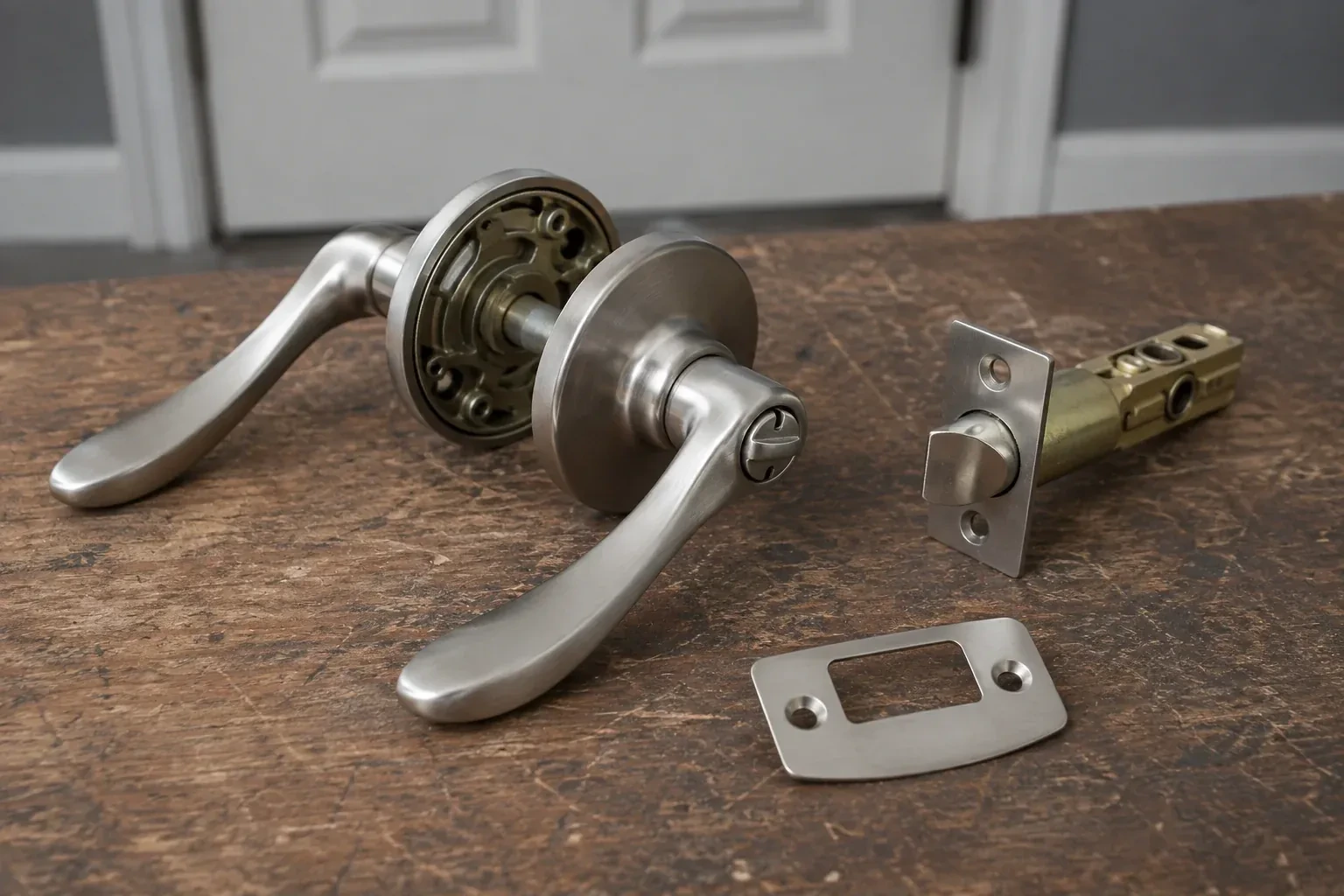
- Lock Replacement & UpgradeThe house is fifteen years old and every exterior door still wears the light hardware the builder fitted: a short bolt, a thin strike held by two small screws, and a knob lock that never suited a street entrance.
- Vintage Mortise Lock ServiceThe old skeleton key still fits the keyhole, but it now needs a jiggle, a lean on the door and a little luck before the bolt moves.
- Smart Lock InstallationThe deadbolt is a stiff double-cylinder model that needs a key from both sides, and in the dark hallway finding it is a nuisance.